10. The Gluten Question
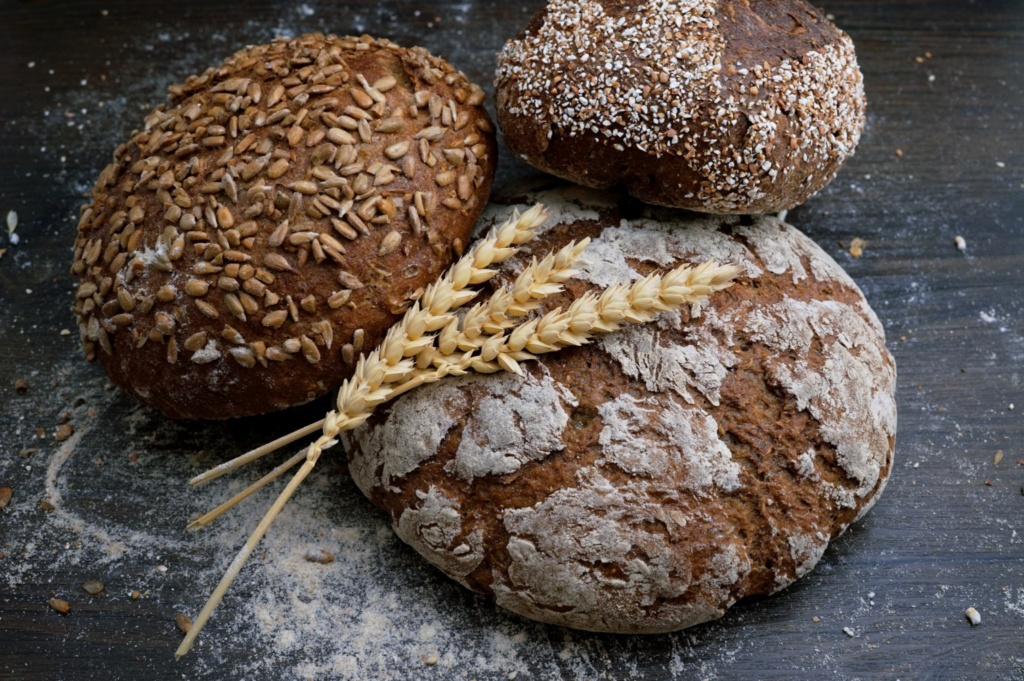
For people with celiac disease or gluten sensitivity, gluten can trigger inflammation throughout the body, including the joints. Even without celiac disease, some arthritis patients report improvement when avoiding gluten. Consider tracking your symptoms after consuming wheat, barley, and rye products to determine if they affect your arthritis.
Baby Steps: Making Sustainable Changes to Your Diet

Feeling overwhelmed? Don’t worry about eliminating everything at once. Start by keeping a food journal to identify personal triggers. Maybe you’ll discover that some foods on this list don’t affect your symptoms as much as others. The Arthritis Foundation recommends: “The best diet for arthritis includes foods that help maintain a healthy weight and fight inflammation. A Mediterranean-style eating pattern fits the bill because it’s high in fruits, vegetables, fish, and whole grains—and studies confirm it can lower inflammation in the body.” Remember that everyone’s body responds differently.
Inflammation Fighters: What Should You Eat Instead?
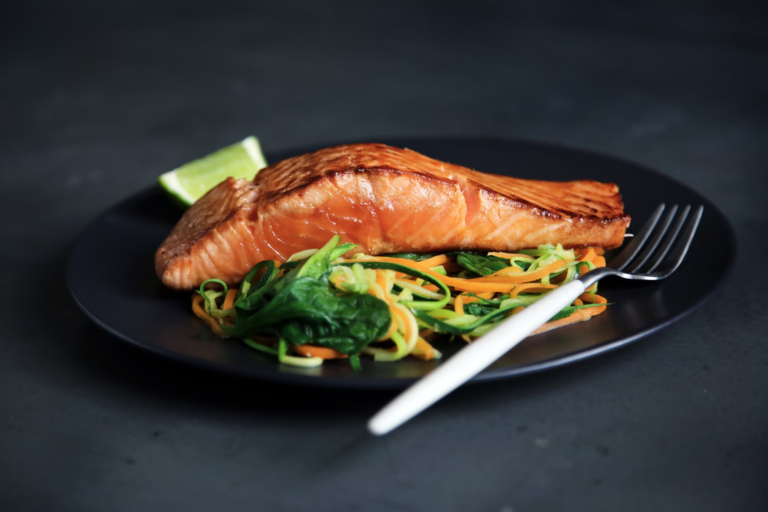
While avoiding inflammatory foods is important, focusing on what you should eat is equally valuable. Anti-inflammatory options include: Fatty fish rich in omega-3s (salmon, sardines, mackerel) should be high on your list. Colorful fruits and vegetables (berries, leafy greens, broccoli) provide antioxidants that fight inflammation. Nuts and seeds (walnuts, flaxseeds, chia seeds) offer healthy fats that help reduce joint pain. Olive oil makes an excellent cooking base with its anti-inflammatory properties. And don’t forget about turmeric and ginger, two powerful spices that have been used for centuries to reduce inflammation and pain.
