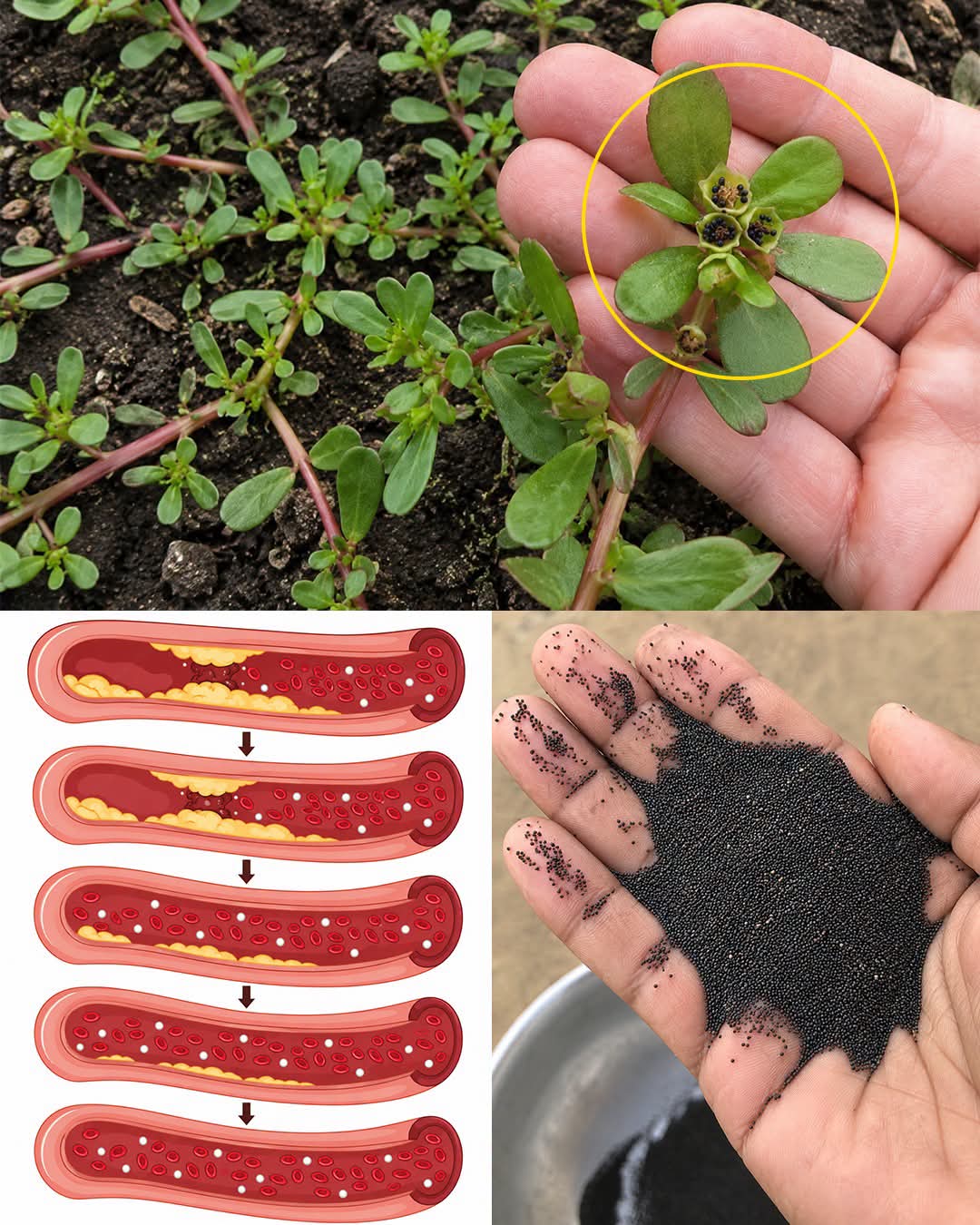
Purslane is often mistaken for a common weed, but it is actually one of the most nutrient-dense plants available. While the fleshy leaves and stems get most of the culinary attention, the tiny seeds of the purslane plant pack a highly concentrated nutritional punch. These seeds have been utilized for centuries in traditional medicine and cooking across different cultures. Today, they are gaining recognition for their impressive health benefits and versatility.

The Health and Medical Power of Purslane Seeds
Purslane seeds are a powerhouse of nutrition and medicinal compounds. They contain an extraordinary amount of vitamins, minerals, and healthy fats packed into a very small size.
- Heart Health and Cholesterol Reduction: One of the most significant medical benefits of purslane seeds is their positive effect on heart health. Studies have shown that consuming these seeds can help lower LDL cholesterol (often called “bad” cholesterol) and reduce triglyceride levels in the blood. This helps lower the overall risk of cardiovascular disease.
- Rich in Omega-3 Fatty Acids: Unlike most land-based plants, purslane is incredibly rich in omega-3 fatty acids, particularly alpha-linolenic acid (ALA). The seeds and the plant contain a concentrated amount of these essential fats, which are vital for brain function, reducing body inflammation, and keeping blood vessels healthy.
- High Antioxidant Content: Purslane is loaded with natural antioxidants that protect the body from cellular damage.
- Vitamin A and Beta-Carotene: Excellent for maintaining eye health and supporting the immune system.
- Vitamin C: Essential for maintaining healthy skin, blood vessels, and healing physical wounds.
- Vitamin E: Protects cell membranes and supports long-term immune function.
- Melatonin: Helps naturally regulate sleep cycles and reduces inflammation.
- Essential Minerals for Bone Health: The seeds and plant are an excellent source of essential dietary minerals. They contain high levels of calcium and magnesium, both of which are strictly required to build and maintain strong bones and teeth. They also provide potassium, which helps regulate blood pressure naturally.
- Digestive and Muscle Relief: In traditional medicine, the properties found in purslane have been used to relieve severe constipation, calm gastrointestinal issues, and act as a natural muscle relaxant.
- Amino Acid Source: The seeds contain eight of the nine essential amino acids, making them a surprisingly reliable source of plant-based protein building blocks necessary for tissue repair and muscle growth.
How to Use Purslane Seeds at Home
Harvesting and using purslane seeds is simple, and they can be easily added to your daily routine. The seeds are very small and can be incorporated into many basic home recipes.
- Nutritional Smoothies and Shakes: One of the easiest homemade uses is to blend the raw seeds directly into your daily smoothie. Because they are so small, they will not change the texture of your drink but will add a massive boost of omega-3s, vitamins, and minerals.
- Baking and Bread Making: Historically, the Greeks and Australian Aboriginal populations used purslane seeds to make flour for bread and seed cakes. You can replicate this by grinding the seeds in a clean coffee grinder and mixing the powder into your regular baking flour for breads, muffins, or morning pancakes.
- Yogurt and Oatmeal Topping: You can sprinkle whole purslane seeds over a bowl of yogurt, oatmeal, or breakfast cereal. Mixing them with dairy products like yogurt is actually highly recommended because the yogurt helps significantly reduce the absorption of certain naturally occurring compounds that can be tough on the kidneys.
- Homemade Herbal Mixes: You can lightly crush the seeds and steep them with hot water, often mixed with other calming herbs. This traditional preparation has been used over generations to help relax tense muscles and soothe an upset stomach.
- Salad and Soup Garnish: Just like sesame or chia seeds, whole purslane seeds can be lightly toasted and sprinkled over mixed green salads or warm bowls of soup to add a slight crunch and an immediate nutritional upgrade.
Safety Precautions and Side Effects
While purslane seeds offer incredible health benefits, there are a few important safety guidelines you must follow before adding them to your diet.
- High Oxalate Content: This is the most important medical warning. Purslane seeds contain higher levels of chemicals called oxalates than other parts of the plant. In the human body, oxalates can crystallize and contribute to the formation of hard kidney stones. If you have a medical history of kidney stones, you should avoid eating these seeds or consult a doctor first. Eating them alongside a calcium source (like yogurt or milk) can significantly reduce this specific risk.
- Pregnancy and Lactation: Medical professionals advise against using medicinal amounts of purslane and its seeds if you are pregnant or breastfeeding. There is not enough clinical safety data available, and it is best to avoid use during these sensitive times.
- Higher Salt Retention: Due to the biological nature of the plant, the seeds tend to retain higher amounts of natural salts compared to other vegetation. If you are on a strict low-sodium diet for blood pressure or heart issues, you should closely monitor your overall salt intake when consuming purslane products.
- Digestion Issues: While they can actively help with constipation, consuming large amounts of the seeds or plant parts without adequate hydration might lead to stomach discomfort due to the concentrated fiber.
Adding purslane seeds to your diet is a simple, natural way to boost your daily nutrition, provided you respect the plant’s potency and consume it in moderation.
