⚠️ This is for informational purposes only. For medical advice or diagnosis, consult a professional.

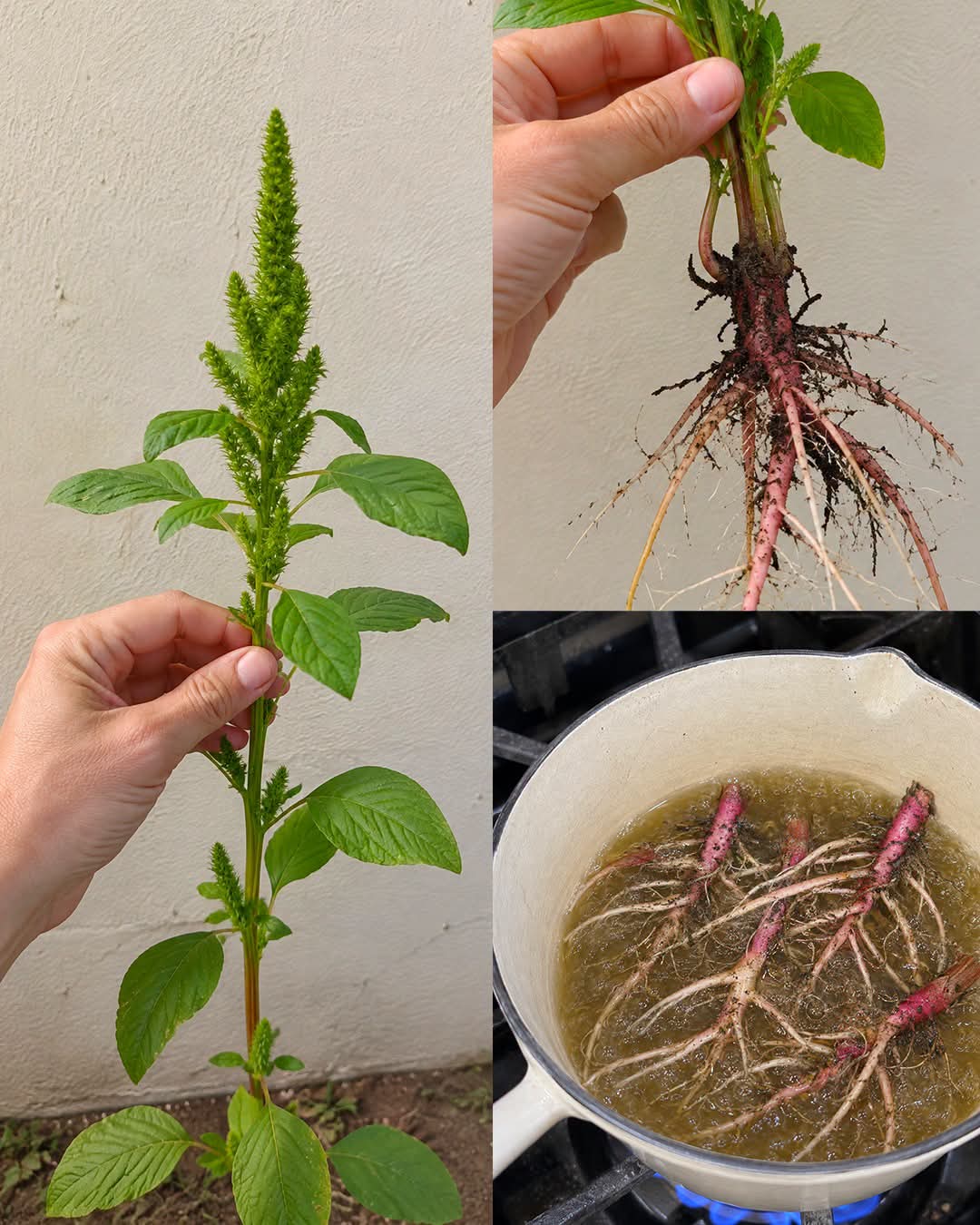
Redroot amaranth (Amaranthus retroflexus), commonly known as redroot pigweed, is a wild plant that grows in backyards, fields, and empty lots around the globe. Most people view it as a stubborn weed to be pulled out and thrown away. However, traditional herbalists and wild foragers view this plant with deep respect. Beneath its coarse green stem lies a bright crimson taproot packed with remarkable biological compounds and centuries of herbal history.
Understanding the root of redroot amaranth allows us to appreciate how traditional societies turned common wild plants into everyday remedies. When prepared correctly, this vibrant root offers targeted health benefits, natural astringency, and soothing qualities.
The Natural Power and Active Compounds of the Root
The main reason redroot amaranth root holds such a high reputation in folk medicine comes from its rich chemical profile. The root acts as a storehouse for protective plant compounds designed to keep the plant strong.
- High Tannin Content: Tannins are natural compounds that shrink and tighten organic tissues. This astringent action helps tone wet, inflamed membranes, stop light oozing, and dry up excess fluids.
- Betalain Pigments: The distinctive red color of the root comes from betalains. These pigments are strong antioxidants that help defend cells against stress and internal damage.
- Natural Saponins: Saponins help break down debris and support the body’s natural cleansing mechanisms, though they require moderate use to avoid stomach upset.
- Plant Sterols and Minerals: The root concentrates essential soil minerals and plant sterols that support tissue recovery and lower localized swelling.
Traditional Health Benefits and Uses
For generations, rural healers used redroot amaranth root as a reliable, natural tool for simple ailments.
- Digestive System Balance: The root’s astringent nature makes it a traditional choice for calming digestive distress. A mild decoction helps firm loose stools, reduce gut spasms, and soothe irritated stomach linings.
- Oral and Throat Health: Gargling with cooled root tea reduces swelling in tender gums, calms sore throats, and speeds up the healing of minor mouth ulcers.
- Skin Irritation and Wound Care: When applied to the skin, redroot amaranth extracts pull tissues together. This helps dry up weeping rashes, cool down bug bites, and calm minor scrapes.
- Support for Excessive Bleeding: In traditional folk practices, carefully measured root preparations were consumed to help manage abnormally heavy menstrual cycles or light internal bleeding.
- Anti-Inflammatory Relief: Active components in the root help ease soreness and localized swelling when used as a poultice or warm compress.
How to Safely Identify and Harvest the Root
Because wild roots absorb everything from their surrounding environment, harvesting requires careful attention to location and safety.
- Identify the Right Plant: Look for an upright wild plant with egg-shaped leaves, rough stems, and dense green flower clusters. Pulling the plant reveals a thick taproot with a striking reddish-pink shade near the base.
- Pick Clean Locations: Only collect roots from areas that are far away from sprayed lawns, busy roadsides, industrial zones, and agricultural fields. Amaranth plants absorb chemical runoff very quickly.
- Timing the Harvest: The best time to dig up redroot amaranth root is in late summer or early autumn before the seeds fall, or early in the spring when the root holds its peak energy.
- Washing the Root: Scrub the freshly dug taproots immediately under cold running water using a hard bristle brush. Remove all dirt, fine feeder fibers, and root bark damage.
- Drying for Storage: Cut the clean root into thin round slices. Spread the pieces on a drying tray in a warm, shaded room with good airflow. Let them dry completely for 5 to 7 days until they snap easily.
Simple Homemade Recipes and Applications
Once you have dried your redroot amaranth root, you can prepare several practical homemade remedies using simple kitchen tools.
- Traditional Redroot Decoction (Strong Root Tea) Because roots are dense, simply pouring boiling water over them is not enough. You must simmer the root to pull out its compounds.
- Ingredients: 1 tablespoon of dried, chopped redroot amaranth root and 2 cups of clean water.
- Instructions: Place the water and root pieces into a small stainless steel pot. Bring to a boil, cover with a lid, and turn the heat down to low. Let it simmer gently for 15 to 20 minutes. Strain out the root pieces using a fine strainer.
- How to Use: Drink up to half a cup twice daily for short-term digestive relief, or use it cool as a mouth rinse.
- Herbal Root Powder Grinding dried roots gives you a powder that can be stored in a dark glass jar for up to a year.
- Instructions: Place completely dry root slices into a clean spice grinder. Grind until a fine reddish powder forms.
- How to Use: Mix a tiny pinch (about 1/8 teaspoon) into warm water or tea, or blend with water to form a smooth paste for skin applications.
- Cooling Skin Compress
- Instructions: Prepare a fresh batch of root decoction and allow it to cool down to room temperature.
- How to Use: Dip a clean cloth into the cooled liquid and press it gently against irritated skin, bug bites, or minor burns for 10 to 15 minutes.
- Soothing Foot Soak
- Instructions: Pour 3 cups of warm root decoction into a basin filled with warm water.
- How to Use: Soak tired or swollen feet for 15 minutes to reduce discomfort and soothe skin.
Crucial Safety Precautions and Chemical Risks
Redroot amaranth is a potent wild plant that must be handled with respect and caution.
- Nitrate Accumulation: Amaranthus retroflexus is known as a heavy nitrate accumulator. If grown in soil with synthetic fertilizers or heavy livestock waste, the root can store high levels of nitrates, which can be harmful to blood health. Always harvest from clean, natural soil.
- High Oxalate Levels: The root contains oxalic acid, which can bind with minerals in the body. People with a history of kidney stones, gout, or kidney disease should strictly avoid using this plant internally.
- Pregnancy and Nursing: Do not use redroot amaranth root if you are pregnant or breastfeeding, as there is insufficient safety research regarding its effects on fetal development.
- Limit Use Duration: This plant is meant for short-term herbal support only. Do not consume root teas or preparations for more than 7 consecutive days at a time.
- Skin Patch Test: Before using any root preparation on your skin, apply a small drop to your inner wrist and wait 24 hours to check for allergic reactions or redness.
Important Health Disclaimer
This article is provided for informational and educational purposes only. It is not intended to be a substitute for professional medical advice, diagnosis, or treatment. We assume no responsibility or liability for any actions taken, health consequences, or adverse reactions resulting from the information provided here. Always consult a qualified physician, licensed medical doctor, or certified professional herbalist before harvesting, preparing, or using any wild plant or homemade herbal remedy.
