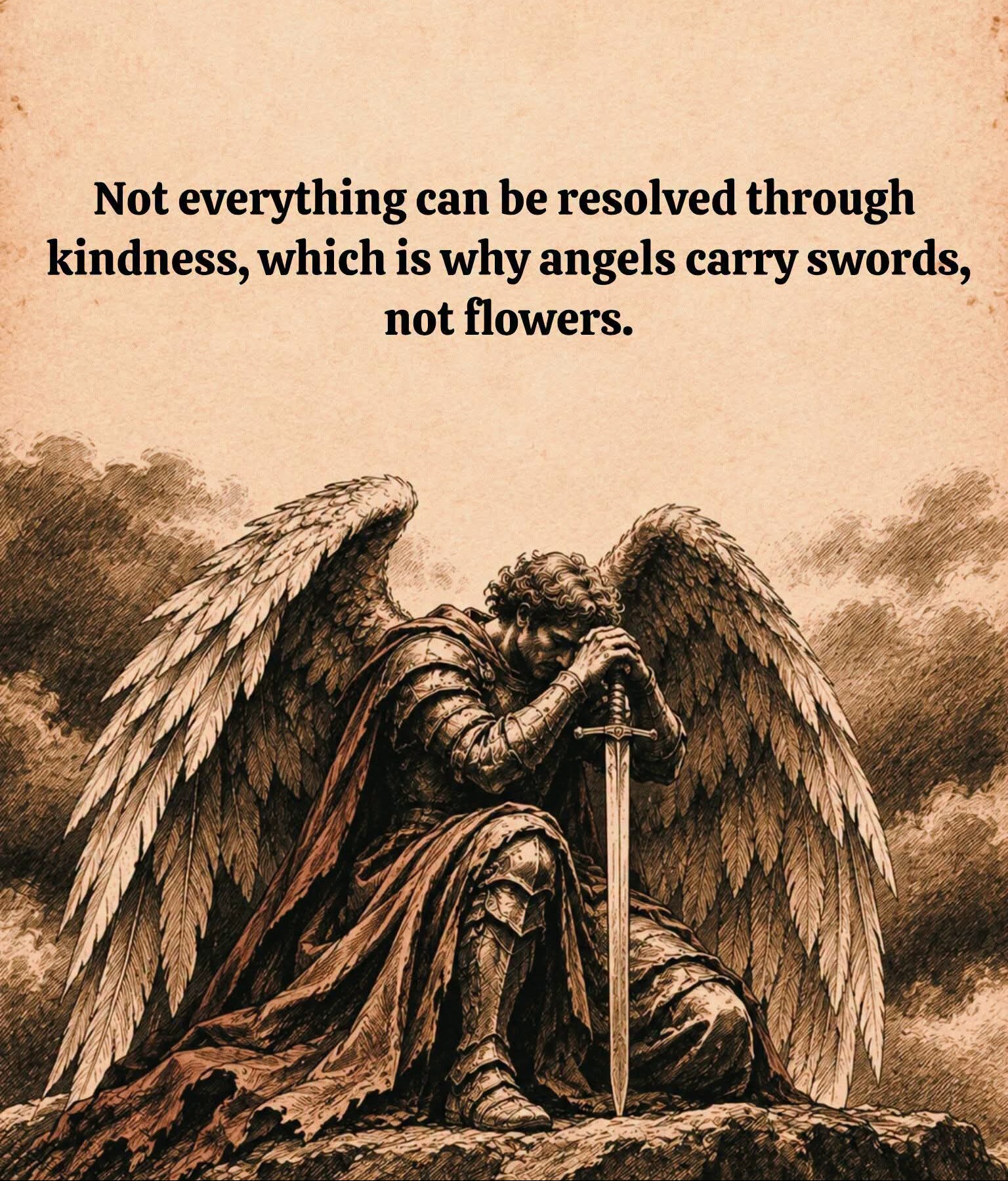
: Why Having a Good Heart Requires Strong Boundaries
Being a kind person is a beautiful thing. Choosing patience, offering forgiveness, helping others, and treating people with compassion are qualities that make the world a better place.
But there’s something important that many people learn the hard way: Being kind doesn’t mean allowing people to disrespect you.
You can have the biggest heart in the room and still know when someone has crossed a line. You can forgive someone without giving them another opportunity to hurt you. And you can love people while recognizing that they no longer deserve a place in your life.
Sometimes, the kindest thing you can do for yourself is walk away.
Unfortunately, many people confuse kindness with weakness. They see someone who avoids arguments, gives second chances, and tries to understand everyone as someone they can take advantage of.
But kindness without boundaries can eventually become exhausting.
It’s time to understand why protecting your peace is just as important as showing compassion to others.
1. Being Kind Doesn’t Mean Accepting Disrespect
There’s a difference between being understanding and allowing someone to repeatedly hurt you.
Everyone makes mistakes. People have bad days, say things they regret, and sometimes behave in ways they shouldn’t. A kind person understands this and doesn’t immediately judge others.
However, when disrespect becomes a pattern, something changes.
If someone repeatedly ignores your feelings, makes hurtful comments, breaks promises, or treats your generosity as an obligation, you have every right to speak up.
You don’t have to keep making excuses for someone who refuses to change.
Remember:
- You deserve to be spoken to respectfully.
- Your feelings matter.
- Your time should be valued.
- Your generosity should never be treated as something people are entitled to.
- You don’t have to tolerate behavior that damages your emotional well-being.
Being kind means treating others well. It doesn’t mean allowing others to treat you badly.
2. Stop Giving Endless Second Chances to People Who Never Change
Forgiveness is powerful.
It can help you release resentment, move forward, and stop carrying the emotional weight of what someone did to you.
But forgiveness doesn’t automatically mean reconciliation.
You can forgive someone and still decide that you don’t want them in your life anymore.
One of the hardest lessons in life is understanding that some people apologize because they genuinely regret their behavior, while others apologize simply because they want access to you again.
Real change requires more than words.
It requires:
- Taking responsibility.
- Acknowledging the hurt caused.
- Making an effort to behave differently.
- Respecting the boundaries you’ve established.
- Showing consistency over time.
You don’t owe anyone unlimited opportunities to repeat the same mistakes.
Sometimes, accepting an apology doesn’t mean reopening the door.
3. Learn That Saying No Doesn’t Make You a Bad Person
Many kind people struggle with saying no.
They worry about disappointing others, creating conflict, or being viewed as selfish.
As a result, they agree to things they don’t want to do, sacrifice their time, and put everyone else’s needs before their own.
Eventually, this can lead to frustration, exhaustion, and resentment.
But here’s the truth:
You are allowed to say no without writing a long explanation.
You can decline an invitation.
You can refuse a favor.
You can decide that you don’t have the energy to help someone today.
You can choose yourself without feeling guilty.
A healthy relationship should allow both people to express their needs and limitations.
Your kindness should come from genuine willingness, not fear of disappointing someone.
4. Stop Mistaking Silence for Peace
Sometimes, staying quiet feels easier than confronting someone.
You may tell yourself that it’s not worth arguing, that the situation will eventually improve, or that ignoring the behavior is the best way to keep everyone happy.
But there’s a difference between choosing not to engage in unnecessary conflict and constantly silencing yourself to avoid upsetting others.
When you repeatedly ignore disrespect, the other person may assume their behavior is acceptable.
You don’t need to shout, insult, or create a scene to stand up for yourself.
You can calmly say:
- “I don’t appreciate being spoken to that way.”
- “Please don’t confuse my kindness with permission to disrespect me.”
- “I’m willing to have a conversation, but only if we can treat each other respectfully.”
- “I’ve explained how I feel, and I’m not going to keep repeating myself.”
- “This situation is no longer healthy for me, so I need some distance.”
Sometimes, a calm and firm sentence communicates more than an argument ever could.
5. You Can Love Someone and Still Walk Away
This is one of the most difficult lessons to accept.
Not every relationship is meant to last forever.
Sometimes, you outgrow friendships. Sometimes, family relationships become unhealthy. Sometimes, romantic relationships reach a point where staying causes more pain than leaving.
And sometimes, you have to accept that loving someone doesn’t mean you are compatible with the way they treat you.
Walking away doesn’t necessarily mean you hate someone.
It can simply mean you’ve recognized that the relationship is no longer good for you.
You can wish someone well without being part of their everyday life.
You can remember the beautiful moments without ignoring the painful ones.
And you can choose a different future without feeling guilty about protecting yourself.
6. Stop Feeling Guilty for Protecting Your Peace
Setting boundaries can feel uncomfortable, especially if you’ve spent years being the person who always understands, always forgives, and always makes things easier for everyone else.
When you finally start saying no, some people may become upset.
They might call you selfish, distant, difficult, or changed.
But sometimes, what they really dislike is that they can no longer rely on you to accept everything without question.
Not everyone will celebrate your growth.
And that’s okay.
Protecting your peace means recognizing what you can control and refusing to take responsibility for everyone else’s emotions.
You cannot make everybody happy.
You cannot solve every problem.
You cannot prevent every disagreement.
But you can decide what behavior you are willing to accept in your life.
7. Healthy Boundaries Are a Sign of Self-Respect
Boundaries aren’t walls designed to keep everyone away.
They’re guidelines that help establish what healthy relationships should look like.
They protect your time, energy, personal space, and emotional well-being.
Here are some examples of healthy boundaries:
Emotional boundaries: You don’t have to absorb everyone else’s anger, negativity, or problems.
Time boundaries: Your time matters, and you don’t need to be available every minute of every day.
Personal boundaries: You have the right to privacy and can decide what you share with others.
Communication boundaries: You can end conversations that become insulting, threatening, or disrespectful.
Relationship boundaries: You can limit contact or leave relationships that repeatedly harm you.
Healthy boundaries don’t make you unkind. They help you maintain relationships without losing yourself in the process.
8. Remember That Your Kindness Has Value
Don’t allow a few unkind people to change the beautiful qualities that make you who you are.
You don’t have to become cold, bitter, or suspicious of everyone just because someone took advantage of your kindness.
Continue helping people when you genuinely can.
Continue offering compassion.
Continue being patient.
Continue treating others with respect.
But remember that you deserve those same things in return.
The goal isn’t to stop being kind.
The goal is to stop giving unlimited access to people who repeatedly disrespect you.
A good heart deserves healthy relationships, mutual respect, and genuine appreciation.
9. Practical Ways to Start Protecting Your Peace
If you’re someone who struggles with boundaries, start with small changes.
Here are a few steps you can practice:
- Pause before agreeing. Give yourself time to decide whether you genuinely want to do something.
- Stop overexplaining. A respectful no is a complete answer.
- Pay attention to patterns. Look at someone’s repeated behavior rather than relying only on their promises.
- Communicate clearly. Explain what behavior you will no longer accept.
- Follow through. A boundary only works when you take action to protect it.
- Make time for yourself. Rest and personal time are important, too.
- Choose reciprocal relationships. Spend time with people who respect your feelings and appreciate your presence.
You don’t have to change everything overnight.
Learning to protect yourself is a process, and every small step matters.
10. The Strongest People Know When to Say Enough
Strength isn’t always loud.
It doesn’t always involve confrontation, arguments, or proving someone wrong.
Sometimes, strength looks like walking away from an argument that will never lead anywhere.
Sometimes, it means refusing to participate in gossip.
Sometimes, it means accepting that someone may never understand your perspective.
And sometimes, it means choosing not to return to a relationship that repeatedly caused you pain.
You don’t need to convince everyone that you’re a good person.
You don’t need everyone to agree with your decisions.
And you certainly don’t need to sacrifice your happiness just to maintain the appearance of a peaceful relationship.
You can be gentle and still be strong. You can be forgiving and still have boundaries. You can have a beautiful heart without allowing everyone to break it.
Final Thoughts: Keep Your Good Heart, but Protect It
Never let the way someone treated you convince you that kindness is a weakness.
The world needs more compassionate people. It needs people who listen, forgive, help, encourage, and care about others.
But those same people deserve compassion, too.
You deserve relationships where respect goes both ways. You deserve friendships where your presence is appreciated rather than taken for granted. You deserve to feel safe expressing your feelings without constantly worrying about someone else’s reaction.
Don’t confuse being a good person with being available for mistreatment.
Forgive when it helps you move forward. Give second chances when genuine change is possible. Be patient when someone is making an honest effort.
But when disrespect becomes a pattern, remember that you are allowed to step away.
Keep your heart soft, your standards healthy, and your boundaries strong.
You don’t have to become a different person to protect yourself. You simply have to recognize that your peace matters, too.
A Little Reminder for Today ❤️
You can be kind without being a people-pleaser.
You can forgive without reconnecting.
You can love someone from a distance.
You can say no without feeling guilty.
You can walk away without explaining yourself a hundred times.
And you can protect your peace without apologizing for it.
Let’s Talk: Do You Agree?
Have you ever been too kind to someone who repeatedly took advantage of you?
What did that experience teach you?
❤️ A. I used to give everyone endless chances, but I’ve learned to set boundaries.
💪 B. I am kind, but I never allow anyone to disrespect me.
🙏 C. I believe in forgiveness, but sometimes walking away is necessary.
🌿 D. Protecting my peace is now one of my biggest priorities.
Share your thoughts in the comments. Someone else might need to hear your perspective today.
