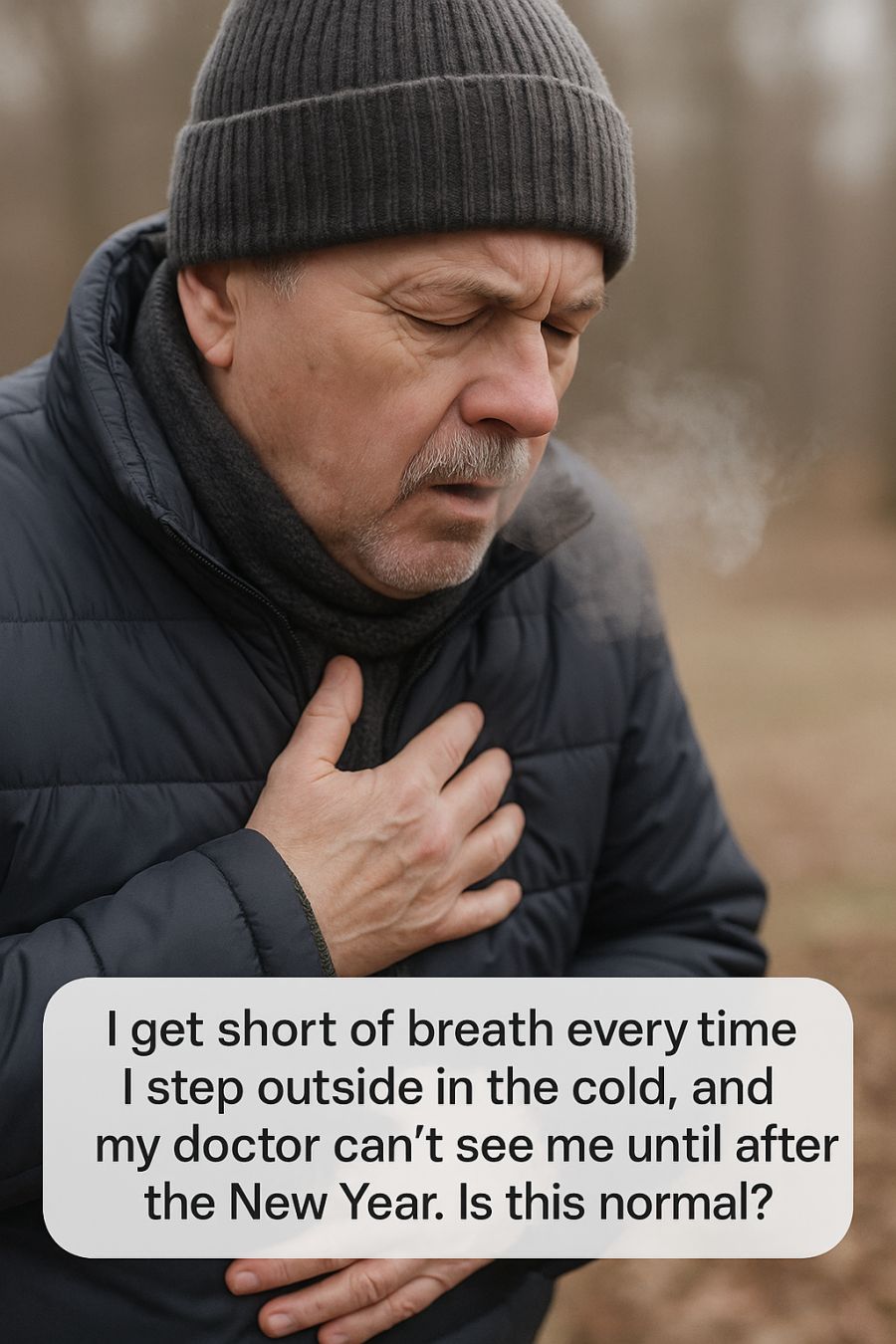
The chill of winter can bring more than just snowflakes and frosty mornings. For many people, stepping outside into the cold air can also bring an unexpected struggle for breath. This phenomenon can be both alarming and uncomfortable, leaving many to wonder if it’s a normal response to cold weather or a sign of something more serious.
As we brace ourselves for the winter months, it’s important to understand why cold air affects our breathing and how to differentiate between normal cold-weather responses and potential medical concerns. If you’re experiencing breathlessness in the cold and have to wait for a doctor’s appointment, this article will guide you through understanding your symptoms and managing them effectively.
1. Why Cold Air Can Make You Feel Short of Breath
Cold air can trigger a sensation of breathlessness due to its impact on your airways. When cold air is inhaled, it can cause the airways to constrict and become narrower. This response is due to the body’s natural defense mechanism to preserve warmth and moisture in the lungs. The sudden change in temperature can also stimulate nerve receptors in the airways, causing a reflexive tightening that makes breathing feel labored.
For some, especially those with underlying respiratory conditions, the drop in temperature can exacerbate these effects. Cold air is often dry, which can further irritate the airways and lead to increased mucus production, contributing to a feeling of congestion and difficulty breathing.
2. When Winter Wheezing Is Considered “Normal”
For many people, mild wheezing or slight shortness of breath when exposed to cold air is a normal physiological response. This is particularly common among individuals who exercise outdoors in cold weather, as the increased breathing rate can heighten the response to cold air. Typically, this type of breathlessness resolves quickly once you return indoors and your body adjusts to a warmer environment.
If the symptoms are mild, do not persist, and improve with rewarming, they are generally considered normal. However, keeping track of the frequency and severity of these episodes is important to ensure they do not signify a more serious issue.
3. Signs Your Cold-Triggered Breathlessness Could Be COPD
Chronic Obstructive Pulmonary Disease (COPD) is a chronic inflammatory lung disease that obstructs airflow from the lungs, and it can be exacerbated by cold air. Signs that your breathlessness might be related to COPD include persistent cough, increased mucus production, and a wheezing sound when you breathe. Unlike normal cold-induced breathlessness, COPD symptoms may not improve quickly once you’re back indoors.
If you have a history of smoking or have been diagnosed with COPD, it’s crucial to monitor your symptoms closely. Breathlessness that is accompanied by other symptoms such as chest tightness, fatigue, or a blue tint to the lips or fingernails could indicate a COPD flare-up.
4. How a COPD Flare Differs From Ordinary Cold-Air Discomfort
A COPD flare, or exacerbation, involves a significant worsening of symptoms such as breathlessness, cough, and mucus production. Unlike ordinary cold-air discomfort, a COPD flare can lead to severe respiratory distress and may require medical intervention. During a flare, the airways become more inflamed and constricted, leading to a significant decrease in airflow that can persist even after returning to a warm environment.
This differs from the temporary tightness and shortness of breath caused by cold air alone, which tends to resolve quickly as the body acclimates to a warmer environment. Recognizing the difference between the two is crucial for managing your health effectively.
5. Red-Flag Symptoms That Mean You Shouldn’t Wait for Your Appointment
Certain symptoms should prompt immediate medical attention rather than waiting for your scheduled appointment. These include severe shortness of breath that does not improve with rest, chest pain, confusion, or a blue tint to your lips or face, which could indicate inadequate oxygen levels.
Additionally, if you experience a sudden increase in wheezing, coughing, or mucus production, or if you have a known history of COPD and your usual medications are not effective, it’s important to seek medical help promptly. These symptoms can indicate a serious exacerbation or other acute conditions that require urgent care.
6. Quick At-Home Checks to Gauge How Serious Your Breathing Trouble Is
To assess the severity of your breathlessness at home, you can perform a few simple checks. Note the duration and severity of your symptoms, and whether they improve with rest or indoor warmth. You can also measure your respiratory rate by counting the number of breaths you take per minute; a normal rate for adults is about 12 to 20 breaths per minute.
Additionally, consider using a pulse oximeter to check your blood oxygen level. A reading of 95% or higher is generally considered normal, while levels below 90% may require medical attention. Keep track of these measurements and any changes in your symptoms to discuss with your healthcare provider.
7. Simple Cold-Weather Hacks to Protect Your Lungs Right Now
Dressing warmly and covering your mouth and nose with a scarf can help warm the air before it reaches your lungs, reducing the impact of cold air. Breathing through your nose instead of your mouth also helps warm and humidify the air you inhale.
Consider limiting outdoor activities during particularly cold or windy days, and try to exercise indoors to maintain your fitness without exposing yourself to cold air. Using a humidifier indoors can also help maintain a comfortable level of humidity, reducing airway irritation caused by dry air.
8. Using Inhalers and Nebulizers Safely During a Suspected COPD Flare
If you suspect a COPD flare, using your prescribed inhalers or nebulizer as directed by your healthcare provider is crucial. Short-acting bronchodilators are often recommended for quick relief of symptoms. Ensure that your inhaler technique is correct to maximize medication delivery to your lungs.
It’s also important to have a written action plan from your doctor that outlines specific steps to take during a flare. This plan may include using additional medications such as corticosteroids or seeking emergency care if your symptoms do not improve with your usual treatment regimen.
9. Over-the-Counter Remedies and What to Avoid Until You See Your Doctor
While waiting for your doctor’s appointment, some over-the-counter remedies may provide relief. Saline nasal sprays can help keep nasal passages moist, and staying well-hydrated can thin mucus secretions. However, avoid over-the-counter cold medications that contain decongestants, as they can increase heart rate and blood pressure, which may exacerbate breathing difficulties.
It’s also wise to avoid antihistamines unless recommended by your doctor, as they can dry out the airways, making mucus thicker and more difficult to expel. Consult with a pharmacist if you’re unsure about the safety of any over-the-counter medications.
10. When to Head to Urgent Care or the ER Instead of Waiting for Your Doctor
If you experience severe symptoms such as extreme difficulty breathing, chest pain, or signs of low oxygen levels like confusion or bluish skin, seek emergency medical attention immediately. These symptoms can indicate a life-threatening situation that requires prompt intervention.
Additionally, if you have a known respiratory condition and your usual medications are not providing relief, or if symptoms rapidly worsen, it’s better to err on the side of caution and seek urgent care. Emergency departments are equipped to provide oxygen therapy and other treatments that can stabilize your condition.
11. Questions to Track and Bring to Your Post–New Year Appointment
Ahead of your appointment, keep a detailed log of your symptoms, including when they occur, their severity, and any factors that seem to trigger or alleviate them. Note any medications you take and their effects on your symptoms.
Prepare a list of questions to ask your doctor, such as whether you need a change in medication or additional tests to assess your lung function. Understanding the potential causes of your symptoms and discussing long-term management strategies can help you better manage your condition in the future.
12. Long-Term Strategies to Prevent Future Cold-Weather COPD Flares
Preventing COPD flares in cold weather involves a combination of lifestyle adjustments and medical management. Quitting smoking is one of the most effective ways to improve lung health and reduce the risk of flares. Regular exercise, even indoors, can help maintain lung function and overall health.
Work with your healthcare provider to ensure your COPD management plan is optimized for winter conditions. This may include adjustments to your medication regimen or additional vaccinations to protect against respiratory infections. Staying informed about weather conditions and planning activities accordingly can also help minimize exposure to cold air and potential triggers.
