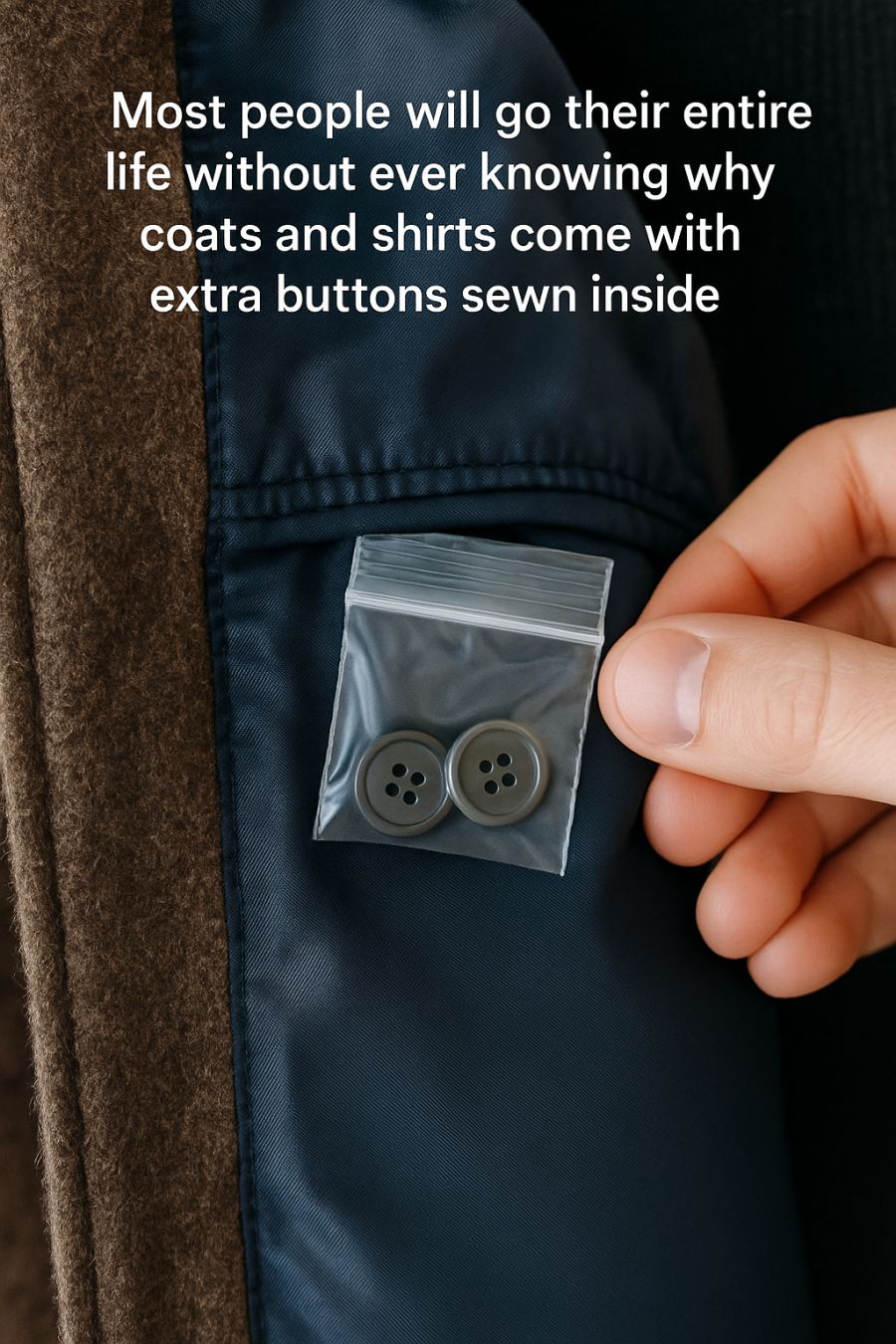
Have you ever noticed the small plastic bag or neatly sewn pouch containing extra buttons inside your newly purchased coat or shirt? While many people overlook these tiny accessories, they hold a fascinating purpose that dates back centuries. This article delves into the mystery of why most clothing items come with spare buttons and the valuable role they play.
Spare buttons are more than just an afterthought; they are a nod to traditional tailoring practices and a reflection of a garment’s quality. Understanding the significance of these extras not only helps maintain your wardrobe but also offers insights into fashion sustainability and personal style customization.
1. The Forgotten Tailoring Tradition Hiding in Your Lining
Extra buttons have their roots in bespoke tailoring, where garments were custom-made to fit an individual’s measurements perfectly. In the past, every detail was meticulously planned, including the provision of spare buttons. This tradition was carried over to ready-to-wear clothing as a mark of quality and attention to detail.
Tailors understood that everyday wear and tear could lead to lost buttons, so providing spares ensured the longevity of the clothing. This practice continues today, offering consumers a touch of old-world craftsmanship in modern apparel.
2. Why Extra Buttons Are Secretly a Built-In Repair Kit
The spare buttons provided with your clothing are essentially a built-in repair kit, allowing you to quickly fix any issues without a trip to the store. Whether you lose a button from your favorite shirt or need to replace one on a coat, these extras are a lifesaver.
Having the exact match in terms of size, shape, and color is crucial for maintaining the garment’s original look. Spare buttons often come in various sizes, ensuring you have the right one for different parts of your clothing, such as cuffs, collars, or main closures.
3. Matching Dyes and Fabrics: The Real Reason You Should Never Toss Them
The dyes and fabrics used in garments can vary significantly, even among similar-looking buttons. This is why it’s important to keep spare buttons; they match the original garment perfectly. Manufacturers carefully select buttons that complement the fabric’s color and texture.
Discarding these extras means losing the opportunity to seamlessly repair your clothing in the future. In some cases, finding a matching button years down the line can be nearly impossible due to changes in fashion trends and manufacturing techniques.
4. How Extra Buttons Reveal the True Quality of Your Coat or Shirt
The presence and quality of spare buttons can be a telling indicator of a garment’s overall quality. High-end brands often include extra buttons made from the same premium materials as those on the garment itself, ensuring consistency.
In contrast, lower-quality garments might provide plastic or less durable options, suggesting cost-cutting measures. Paying attention to the spare buttons can give you insight into the manufacturer’s commitment to quality and durability.
5. The Button Placement Code: What Type of Spare Tells You About the Garment
Different types of spare buttons are included for specific areas of a garment. For instance, larger buttons are typically reserved for the main closures, while smaller ones are used for cuffs and collars.
Understanding the placement code can help you quickly identify which button goes where, making repairs more intuitive. This knowledge can also enhance your appreciation for the garment’s design and functionality.
6. Viral Hack: Turning Spare Buttons Into On-the-Go Wardrobe Fixes
Spare buttons can also serve as emergency fashion fixes. Keep a few in your bag or car for unexpected button losses or clothing mishaps. A simple sewing kit with a needle and thread can transform these buttons into quick solutions.
Social media is filled with creative hacks, like using a spare button as a makeshift cufflink or a temporary fix for a broken zipper pull. These clever uses highlight the versatility of spare buttons beyond their intended purpose.
7. From Laundry Disasters to Dry Cleaner Damage: Using Extras to Save Ruined Clothes
Accidents happen, and sometimes laundry mishaps or dry cleaner errors can lead to missing or damaged buttons. Having spare buttons on hand can salvage an otherwise ruined garment, saving you time and money.
Instead of discarding a favorite shirt or coat due to a missing button, a quick repair with the right spare can restore its appearance and functionality. This simple act of maintenance extends the life of your clothing, reducing waste.
8. Style Upgrade: Using Extra Buttons to Customize Your Look
Spare buttons offer a unique opportunity to customize your clothing. By swapping out standard buttons for those with different colors or designs, you can give your garments a personalized touch.
Experimenting with button styles can breathe new life into older pieces, keeping your wardrobe fresh and style-forward. This form of customization is both cost-effective and sustainable, allowing you to express your individuality without purchasing new items.
9. Travel Trick: Why Frequent Flyers Always Keep Their Spare Buttons
For frequent travelers, spare buttons are a travel essential. They take up minimal space and provide a quick fix for wardrobe malfunctions on the go.
Being prepared for unexpected button losses ensures you maintain a polished appearance during business trips or vacations. Keeping a small sewing kit with your spare buttons is a smart travel hack that can prevent minor clothing issues from becoming major inconveniences.
10. Sustainability Angle: Extra Buttons as a Tool Against Fast Fashion Waste
In an era dominated by fast fashion, spare buttons represent a sustainable practice that encourages clothing repair rather than disposal. By using the provided extras to mend your garments, you contribute to reducing textile waste.
This small act aligns with the principles of a circular economy, where resources are reused and recycled to minimize environmental impact. Embracing these practices helps combat the negative effects of fast fashion on our planet.
11. Hidden History: How Spare Buttons Became Standard in Ready-to-Wear
The inclusion of spare buttons in ready-to-wear clothing became standard practice as a response to consumer demand for durability and convenience. Originally a feature of custom-tailored garments, it was adopted by mass manufacturers to appeal to quality-conscious shoppers.
As clothing production scaled, the tradition of providing spare buttons persisted, reflecting a commitment to maintaining garment longevity even in mass-market fashion. This historical evolution highlights the enduring value placed on practicality and customer satisfaction.
12. When You Should Worry If Your New Jacket Doesn’t Come With Extras
If a new jacket or shirt doesn’t come with spare buttons, it could be a red flag regarding the manufacturer’s attention to detail and quality. While not all garments include extras, the absence might suggest cost-cutting measures.
Before purchasing, consider the overall construction and material quality. High-quality garments often reflect their value through thoughtful additions like spare buttons, reinforcing their durability and longevity.
13. The Right Way to Store and Label Spare Buttons So You Actually Use Them
To ensure you make the most of spare buttons, proper storage and labeling are essential. Keep them organized in a small container or bag, ideally with a label indicating which garment they belong to.
Consider sewing a small fabric pouch inside your clothing to store the spare buttons, keeping them easily accessible and preventing loss. This simple organization tip ensures you have the right button on hand when you need it, facilitating timely repairs.
