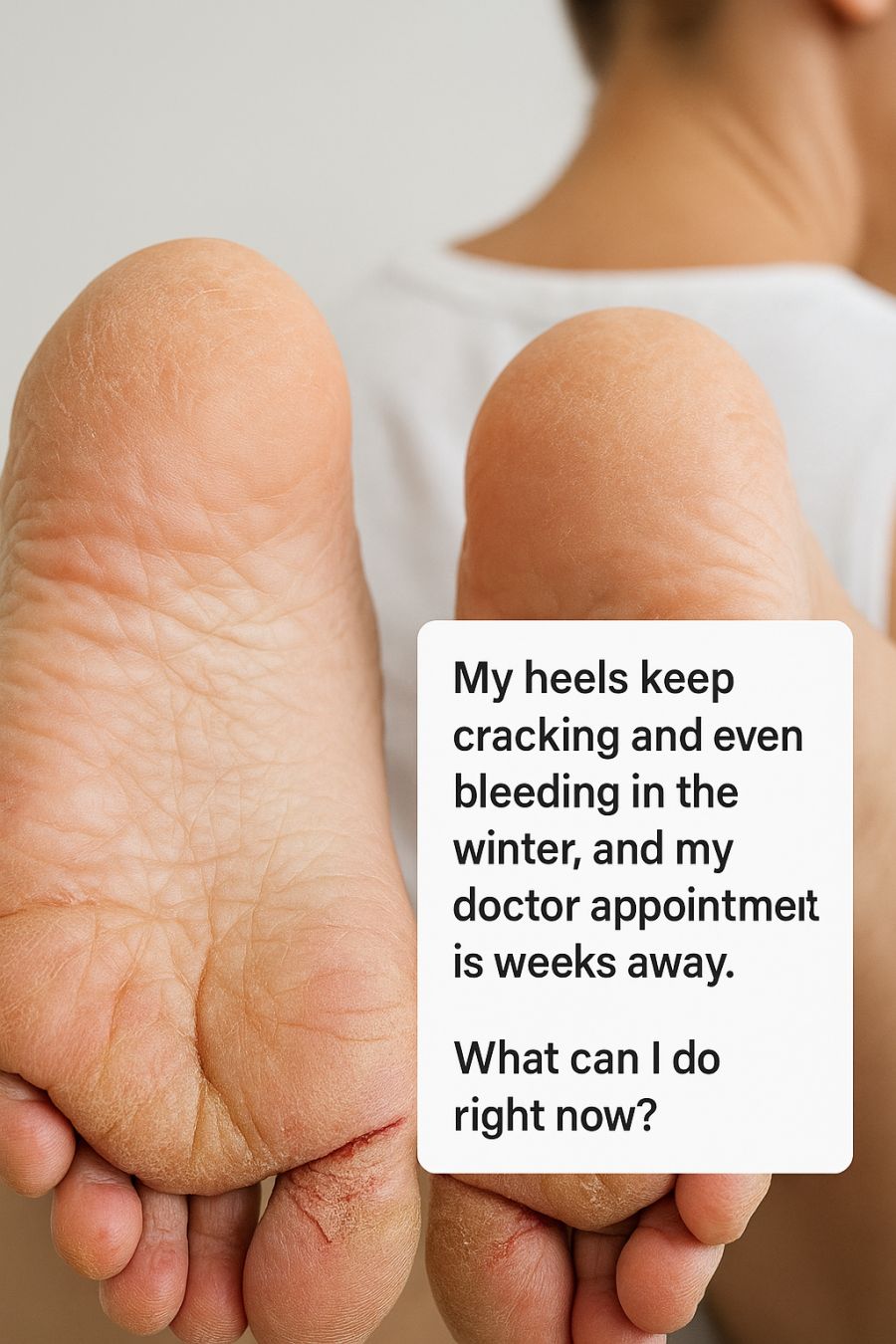
As the winter months approach, many people experience the discomfort of dry, cracked heels. This condition can become more than just a cosmetic issue, leading to pain and even bleeding. With cold air outside and dry, heated air inside, the skin loses its natural moisture, becoming brittle and prone to cracking. These cracks can deepen into fissures, which may bleed and invite infection.
While a doctor’s visit is the best course of action for persistent issues, appointments can sometimes be weeks away. However, there are proactive steps you can take right now to manage and alleviate the discomfort of cracked heels. This article will guide you through a comprehensive self-care routine to keep your feet healthy and pain-free during the winter months.
1. Figure Out If Your Cracked Heels Are an Emergency
Before diving into home remedies, assess the severity of your cracked heels. If the cracks are deep, bleeding, or showing signs of infection such as redness, swelling, or pus, you should seek medical attention immediately as these could indicate a more serious condition. Deep cracks, known as fissures, can lead to infections if left untreated. Measure the depth of the cracks if possible; anything more than a few millimeters deep should be closely monitored.
If you have underlying health conditions such as diabetes or circulation issues, even minor cracks can be more critical. In such cases, prioritize a medical evaluation to prevent complications.
2. Start a Gentle but Consistent Soaking Routine
Soaking your feet can help soften the skin and make it more receptive to moisturizers. Fill a basin with warm water and add a gentle soap or Epsom salts. Soak your feet for 10-15 minutes, but avoid soaking for too long as this can actually dry out your skin more. After soaking, gently pat your feet dry with a soft towel, ensuring to dry between the toes to prevent fungal infections.
Consistency is key, so try to incorporate this soaking routine into your daily or every-other-day self-care regimen. This will keep your skin supple and better prepared to absorb moisturizing treatments.
3. Use the Right Moisturizer: Urea, Lactic Acid, and Petrolatum
Selecting the right moisturizer is crucial for treating cracked heels. Look for products containing urea or lactic acid, which help exfoliate and hydrate the skin simultaneously. Urea concentrations of 10% to 20% are usually effective for home use. Lactic acid, an alpha hydroxy acid, helps to dissolve dead skin cells and improve moisture retention.
For a more occlusive barrier, apply a product with petrolatum, like petroleum jelly, after using a urea or lactic acid cream. This will seal in moisture and create a protective layer over your skin. Use these moisturizers immediately after soaking or showering for best results.
4. Seal in Moisture With the ‘Slugging’ Sock Hack
The ‘slugging’ technique, often used in skincare, can be adapted for your feet. After applying a thick layer of moisturizer, cover your feet with thick, cotton socks. This method helps to lock in moisture and allows the skin to absorb the product more effectively overnight.
Consider this as an overnight treatment, repeated several times a week. If you’re worried about slipping, you can also use socks with non-slip grips on the bottom. This hack not only enhances moisture absorption but also protects your sheets from greasy residue.
5. Exfoliate Safely Without Making Fissures Worse
While exfoliating is important to remove dead skin, it must be done carefully to avoid worsening cracks. Use a pumice stone or foot file on dry skin, focusing on the thickened areas, but avoid the cracked regions themselves. Limit exfoliation to once or twice a week to prevent irritation.
After exfoliating, rinse your feet and immediately apply a moisturizer to replenish the skin’s moisture barrier. Avoid using harsh chemical peels or aggressive scrubs, as these can exacerbate the problem.
6. Protect Open Cracks and Bleeding Areas Like Tiny Wounds
Treat deep cracks or bleeding areas like small wounds. Clean them gently with mild soap and water, then apply an antibacterial ointment. Cover the area with a bandage to protect it from dirt and further irritation.
Change the bandage daily and monitor the cracks for signs of infection. If the area becomes increasingly red, swollen, or painful, seek medical attention promptly. Keeping the area clean and protected will help speed up the healing process.
7. Upgrade Your Socks and Shoes for Winter Heel Protection
Invest in high-quality socks made from natural fibers like cotton or wool, which allow your skin to breathe while providing warmth. Avoid synthetic materials that can trap moisture and irritate the skin.
Choose shoes that are supportive, with a cushioned sole to reduce pressure on your heels. Avoid open-backed shoes that expose your heels to the cold and dry air. Well-fitting footwear can prevent further cracking and provide comfort as your heels heal.
8. Tweak Your Shower and Bath Habits to Stop Drying Your Skin Out
Long, hot showers may feel great in winter, but they can strip your skin of its natural oils. Opt for lukewarm water instead and limit your shower time to 5-10 minutes. Use a mild, moisturizing body wash instead of harsh soaps that can further dry out your skin.
After bathing, gently pat your skin dry with a towel, leaving a bit of moisture on your skin. This will enhance the effectiveness of your moisturizers when applied immediately afterward, aiding in better hydration.
9. Check for Hidden Triggers: Soaps, Floors, and Home Heating
Examine the products you use for potential irritants. Harsh soaps, detergents, and shampoos can contribute to skin dryness. Opt for products labeled ‘fragrance-free’ or ‘for sensitive skin.’
Consider the environment in your home. Heated indoor air can be very drying, so using a humidifier to maintain humidity levels between 30% and 50% can help keep your skin moisturized. Also, be mindful of walking barefoot on cold or rough surfaces that can aggravate your condition.
10. When to Try OTC Heel Balms, Liquid Bandages, and Foot Masks
Over-the-counter heel balms can be an effective addition to your treatment plan. Look for those containing salicylic acid or glycolic acid for additional exfoliation benefits. Apply as directed, usually up to twice daily.
Liquid bandages are another option for sealing minor cracks, providing a protective layer that prevents further cracking and infection. Foot masks, which are like intensive skin treatments, can be used weekly to deeply hydrate and soften your feet, enhancing the effects of your daily routine.
11. Special Precautions If You Have Diabetes or Circulation Problems
If you have diabetes or poor circulation, foot care requires extra caution. Cracks can quickly become ulcers or serious infections. Monitor your feet daily for changes in color, temperature, or sensation.
Avoid self-treating with sharp tools or harsh chemicals, and consult a healthcare professional for guidance on managing your condition safely. Proper footwear and regular medical check-ups are crucial to prevent complications.
12. Nutrition, Hydration, and Medications That May Affect Your Skin
Your diet and hydration levels play a significant role in skin health. Ensure you’re drinking enough water daily, roughly 8-10 cups, to keep your skin hydrated from within. Incorporate foods rich in omega-3 fatty acids, like fish or flaxseed, which can help maintain skin elasticity.
Be aware of medications that might dry out your skin, such as diuretics or certain acne treatments. Consult with your healthcare provider if you suspect your medication is affecting your skin and discuss possible alternatives or supplements.
13. What Not to Do: Common TikTok and DIY Hacks to Avoid
While social media offers a plethora of DIY hacks, not all are safe or effective for cracked heels. Avoid using undiluted essential oils, which can irritate the skin, or acidic substances like lemon juice that can worsen dryness.
Shaving or cutting thickened skin is also risky, as it can lead to cuts and infections. Stick to gentle, proven methods and consult a professional before trying any unconventional treatments.
14. How to Track Your Symptoms While You Wait for the Doctor
Keep a journal of your symptoms, noting the severity, frequency, and any triggers or treatments you try. Include details such as the depth of cracks, bleeding incidents, and any associated pain or discomfort.
Photographic records can also be helpful, providing a visual timeline of your condition’s progression. This information will be invaluable to your doctor, aiding in an accurate diagnosis and treatment plan.
15. Questions to Prepare for Your Upcoming Appointment
Prepare a list of questions for your doctor to make the most of your appointment. Inquire about the underlying causes of your cracked heels and the best treatment options. Ask about any necessary lifestyle changes or products to avoid.
Clarify any concerns regarding the use of prescription creams or the need for specialist referrals. By being proactive and informed, you can collaborate with your doctor to develop an effective plan for tackling your cracked heels.
