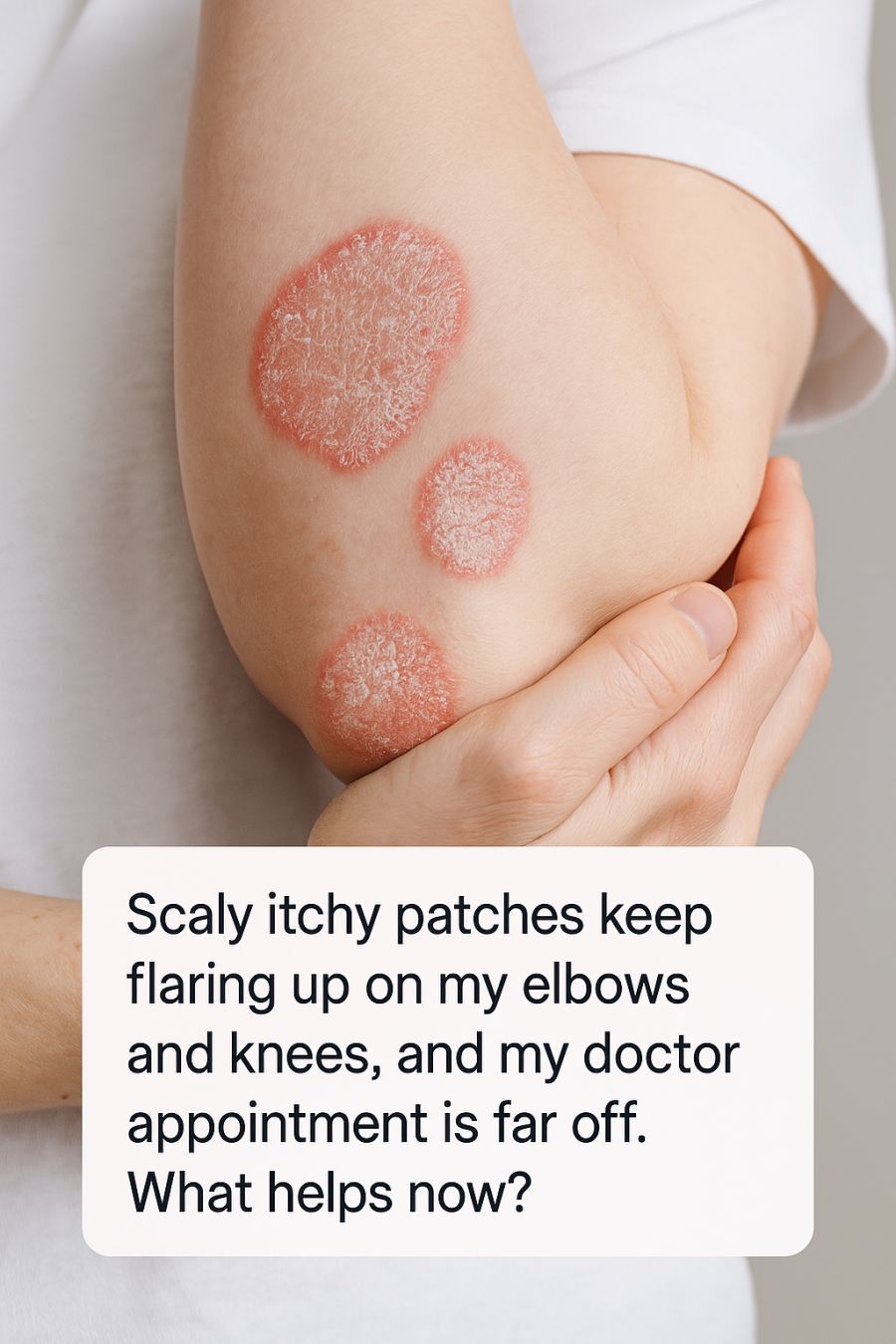
Dealing with skin issues can be both physically uncomfortable and emotionally taxing, especially when appointments with healthcare professionals are weeks away. For many, scaly and itchy patches on the elbows and knees are a recurring source of frustration. These symptoms can interfere with daily life, causing discomfort and sometimes embarrassment.
While waiting for a doctor’s visit, there are several strategies you can employ to manage these symptoms. Understanding the possible causes and implementing home remedies and lifestyle changes can help soothe your skin and reduce the frequency and severity of flare-ups.
1. Is It Plaque Psoriasis? Spotting The Signs On Elbows And Knees
Plaque psoriasis is a common condition characterized by red, inflamed patches covered with silvery-white scales. These plaques often appear on the elbows and knees, areas that are frequently affected due to friction and pressure. The patches can vary in size, from small spots to larger areas, and may be accompanied by itching or soreness.
To identify if your symptoms align with plaque psoriasis, consider if the patches are well-defined with a raised edge and if the scales are thick and silvery. If these symptoms match, it is likely that you are dealing with psoriasis, and a dermatologist can provide a definitive diagnosis.
2. When To Head To Urgent Care Versus Waiting For Your Dermatologist
While most psoriasis flare-ups can be managed at home, there are situations where medical intervention is necessary. If you experience severe pain, swelling, or signs of infection such as pus or fever, it is important to seek urgent care. Additionally, if your symptoms are significantly impacting your quality of life, a visit to urgent care can provide relief while you wait for your dermatologist appointment.
In less severe cases, monitoring your symptoms and using over-the-counter treatments can be sufficient until you see your dermatologist. Keeping a symptom diary can also be helpful to provide your doctor with detailed information at your appointment.
3. Quick Soothing Tricks You Can Do Right Now (No Prescription Needed)
There are several immediate strategies you can use to soothe itchy and scaly patches. Applying a cold compress can provide temporary relief from itching and inflammation. Aloe vera gel is another natural remedy known for its soothing properties; apply a thin layer to affected areas a few times a day for relief.
Keeping your skin moisturized is crucial. Use a thick, fragrance-free moisturizer after showering or bathing to lock in moisture. Avoid hot showers, as they can exacerbate dryness and irritation.
4. The Shower Rule: How Water Temperature And Timing Can Calm A Flare
When dealing with psoriasis, the temperature of your shower can significantly impact your skin. Hot water can strip the skin of its natural oils, leading to increased dryness and irritation. Instead, opt for lukewarm showers, which are gentler on the skin.
Limit your showers to no more than 10 minutes to prevent over-drying. After showering, gently pat your skin dry with a towel and apply a moisturizer immediately to trap moisture in the skin.
5. Moisturizing Like A Pro: Thick Creams, Ointments, And Viral Slugging Hacks
Moisturizing is a key step in managing psoriasis. Thick creams and ointments are more effective than lotions because they create a barrier that locks in moisture. Look for products containing ceramides, which help restore the skin’s natural barrier.
‘Slugging,’ a trend popularized on social media, involves applying a thick layer of occlusive ointment like petrolatum over your moisturizer at night. This method can significantly enhance skin hydration and reduce scaling.
6. Over-The-Counter Creams And Ointments That Actually Help
Over-the-counter treatments can be a helpful addition to your skincare routine. Look for creams containing salicylic acid or coal tar, which can help reduce scaling and inflammation. Products with urea or lactic acid can also assist in softening and removing scales.
Hydrocortisone cream, a mild corticosteroid, can reduce inflammation and itching. However, it should be used cautiously and not more than the recommended amount, as overuse can lead to skin thinning.
7. Safe Use Of Hydrocortisone While You Wait For Stronger Treatments
Hydrocortisone is an effective anti-inflammatory treatment that can provide relief from itching and redness. When using hydrocortisone, apply a thin layer to the affected areas no more than twice a day. Avoid using it on sensitive areas like the face or groin unless directed by a healthcare provider.
While hydrocortisone is generally safe for short-term use, it’s important to follow up with your dermatologist for stronger treatments if your symptoms persist or worsen.
8. Home Remedies People Swear By: Coconut Oil, Aloe, Oat Baths, And More
Many people find relief from psoriasis symptoms with natural home remedies. Coconut oil is a popular choice due to its moisturizing properties; apply it to damp skin after bathing. Aloe vera gel, as mentioned, can soothe inflamed skin and reduce redness.
Oatmeal baths are another soothing option; the colloidal oats help calm irritated skin. To prepare, grind a cup of oats into a fine powder and dissolve it in a warm bath. Soak for about 15 minutes for optimal relief.
9. Clothing, Detergent, And Friction: Everyday Irritants You Can Fix Today
The clothes you wear and the detergents you use can affect your psoriasis. Choose soft, breathable fabrics like cotton to reduce friction and irritation on your skin. Avoid wearing tight clothing that may rub against sensitive areas.
Switch to hypoallergenic laundry detergents free from dyes and fragrances, as these can irritate your skin. Also, consider running an extra rinse cycle to ensure all detergent residues are removed from your clothing.
10. Food, Alcohol, And Smoking: What To Cut Back On During A Flare
Diet and lifestyle choices can influence the severity of psoriasis flare-ups. Some people find that reducing consumption of alcohol and eliminating smoking can help manage symptoms. Alcohol can dilate blood vessels and increase inflammation, while smoking can trigger flare-ups and slow healing.
Consider adopting an anti-inflammatory diet rich in fruits, vegetables, and omega-3 fatty acids. Foods such as salmon, flaxseeds, and walnuts may help reduce inflammation.
11. Stress, Sleep, And The Mind–Skin Connection
Stress is a well-known trigger for psoriasis flare-ups, as it can disrupt the immune system and exacerbate skin conditions. Incorporating stress-reduction techniques such as yoga, meditation, or deep breathing exercises into your daily routine can be beneficial.
Getting adequate sleep is also crucial, as poor sleep can increase stress and inflammation. Aim for 7-9 hours of restful sleep each night, and establish a calming bedtime routine to improve sleep quality.
12. TikTok And Reddit Hacks: What’s Worth Trying And What To Skip
Social media is filled with skincare hacks, but it’s important to approach them with caution. Some TikTok and Reddit users swear by unconventional remedies like turmeric masks or essential oil blends. While some ingredients can be beneficial, others may cause irritation.
Before trying any social media trend, research the proposed benefits and potential side effects. Consulting with a dermatologist before trying new treatments is always a safe approach to ensure they are suitable for your skin condition.
13. When It Might Not Be Psoriasis: Red-Flag Symptoms To Watch For
While psoriasis is a common condition, other skin issues can mimic its symptoms. If your patches are accompanied by severe pain, blistering, or oozing, it might indicate a different skin condition that requires immediate medical attention.
Conditions like eczema, fungal infections, or even skin cancer can present with similar symptoms. If your condition rapidly worsens or presents with unusual symptoms, consult a healthcare professional as soon as possible for an accurate diagnosis.
