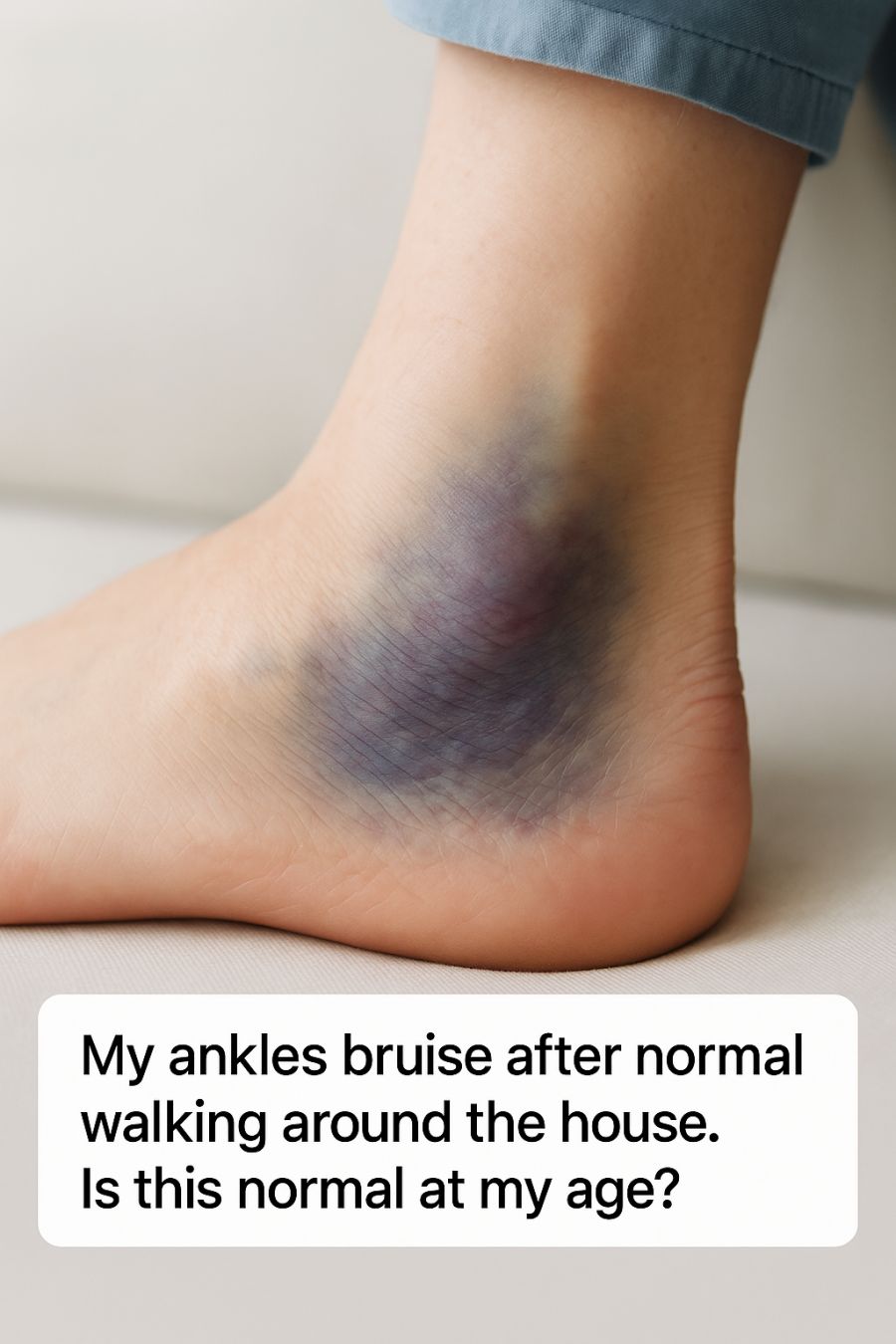
As we age, our bodies go through numerous changes, some of which can manifest in unexpected ways, such as bruising more easily. It’s not uncommon for individuals to notice bruises appearing on their skin, particularly on the ankles, even after light activities like walking around the house. While it may be concerning, understanding the reasons behind this can help alleviate worries and guide you towards maintaining better skin health.
Bruising occurs when small blood vessels, or capillaries, break under the skin. This can happen more frequently as we age due to several factors including thinner skin, decreased fat padding, and more fragile blood vessels. Knowing what is normal and when to seek medical advice is crucial for maintaining your health and peace of mind.
1. What Counts as ‘Normal’ Bruising as We Get Older?
As we age, our skin loses some of its elasticity and the protective layer of fat beneath our skin thins out. This makes us more susceptible to bruising. It’s considered normal to experience occasional bruising, especially on areas like the arms and legs where the skin is thinner. Bruises that are smaller than 1 inch in diameter and heal within two weeks are generally not a cause for concern.
However, if you notice that your bruises are larger, more frequent, or take longer to heal, it may indicate an underlying issue that needs to be addressed. It’s important to monitor the frequency and severity of bruises as these can be useful indicators of your overall vascular health.
2. Why Your Ankles Are a Bruise Hotspot
The ankles are a common site for bruising due to their location and the amount of movement and stress they endure. The skin around the ankles is generally thinner and has less cushioning from fat, making it more prone to bruising. Additionally, the blood vessels in the ankles can be more fragile because of reduced elasticity in the veins as we age.
The constant movement and twisting of the ankles during everyday activities can also lead to microtraumas, which can result in bruising. Even minor bumps or pressure that might not affect other areas can lead to noticeable bruising on the ankles.
3. Venous Fragility: When Your Veins Bruise at the Lightest Bump
Venous fragility refers to the increased tendency for veins to break or leak blood under minimal pressure or trauma. This condition is more prevalent in older adults due to changes in the structure of the veins, such as decreased collagen and elastin. These changes make the veins less resilient to stress.
Individuals with venous fragility may notice that they bruise more easily, even after seemingly innocuous activities like crossing their legs or bumping into furniture. This can be particularly evident in areas like the ankles, where the veins are closer to the skin’s surface.
4. Age-Related Skin Thinning and Loss of Cushioning
As we age, our skin undergoes significant changes, including thinning and loss of subcutaneous fat. This makes the skin less able to absorb impact, leading to easier bruising. The dermis, which is the skin layer that provides structure and elasticity, becomes thinner, causing the skin to be more fragile.
The loss of fat cushioning means there’s less padding to protect blood vessels from everyday bumps and knocks. This combination of factors makes older adults more susceptible to bruising, particularly in areas where the skin is naturally thinner, like the ankles.
5. Medications and Supplements That Can Make Bruising Worse
Certain medications and supplements can exacerbate bruising by affecting the blood’s ability to clot or by altering blood vessel integrity. Common culprits include blood thinners like aspirin, warfarin, and clopidogrel, which are often prescribed to prevent strokes and heart attacks.
Supplements such as fish oil, vitamin E, and ginkgo biloba can also increase the risk of bruising because they have blood-thinning effects. If you’re noticing increased bruising and are taking these medications or supplements, it’s worth discussing with your healthcare provider to explore alternative options or adjust dosages.
6. When Ankle Bruising Signals a Circulation Problem
Persistent or severe bruising around the ankles might signal a circulation problem, such as chronic venous insufficiency (CVI). CVI occurs when the veins in the legs struggle to send blood back to the heart, leading to blood pooling in the lower extremities. This can cause increased pressure on the veins, making them more prone to breaking and resulting in bruising.
Symptoms of CVI include swelling, aching, and a feeling of heaviness in the legs. If you experience these alongside frequent bruising, it’s crucial to seek medical advice, as untreated CVI can lead to more serious complications like ulcers or deep vein thrombosis.
7. Hidden Causes: From Vitamin Deficiencies to Blood Disorders
Vitamin deficiencies, particularly of vitamins C, K, and B12, can contribute to increased bruising. Vitamin C is essential for collagen production, which strengthens blood vessels, while vitamin K plays a crucial role in blood clotting. A deficiency in either can result in more frequent bruising.
Blood disorders such as hemophilia, thrombocytopenia, or leukemia can also lead to excessive bruising. These conditions affect the blood’s ability to clot properly, making even minor injuries result in significant bruising. If you suspect a deficiency or disorder, a blood test can help pinpoint the issue.
8. Red Flags: Bruising Symptoms You Should Never Ignore
While occasional bruising is often harmless, certain symptoms should not be ignored. If you notice bruises that appear without any known cause, are unusually large, or are accompanied by bleeding gums or nosebleeds, it could indicate a more serious medical condition.
Bruises that do not heal or continue to spread over time require medical attention. Additionally, if you experience significant pain, swelling, or changes in skin color around the bruise, it’s important to consult a healthcare professional to rule out underlying issues.
9. Simple Home Checks to Track Your Bruising Patterns
Keeping a bruise diary can be an effective way to track how often and where you bruise. Note the size, location, and duration of each bruise, and any activities you were engaged in prior to noticing it. This information can be invaluable for your healthcare provider in determining whether your bruising patterns are typical for your age or if further investigation is needed.
Regularly inspect your skin for new bruises, particularly in areas prone to knocking or bumping. Pay attention to any changes in the appearance or frequency of bruising, as this can provide early warning signs of potential health issues.
10. Lifestyle Tweaks and Viral Hacks That Might Actually Help
Simple lifestyle changes can help reduce the occurrence of bruises. Wearing protective clothing, like long sleeves and pants, can provide an extra layer of protection for your skin. Maintaining a healthy diet rich in vitamins C and K can support skin and blood vessel health.
Viral hacks, such as applying arnica gel or using ice packs on new bruises, can help minimize bruising if applied promptly. Arnica has anti-inflammatory properties, and cold compresses can reduce swelling and limit the spread of bruising. However, always patch test any new treatments to ensure you don’t have an adverse reaction.
11. When to Call Your Doctor About Everyday Ankle Bruises
If you notice that bruising occurs frequently or with minimal cause, it’s advisable to consult your doctor. This is especially true if bruises are accompanied by other symptoms like fatigue, weight loss, or changes in appetite. Such symptoms can be indicative of underlying conditions that require medical evaluation.
Regular check-ups can help monitor your overall health and catch any potential issues early. If you’re taking medications that might contribute to bruising, your doctor can help adjust your treatment plan to minimize this side effect.
12. What to Expect From Medical Tests and Evaluation
When you visit a doctor for bruising concerns, they will likely start with a thorough medical history and physical examination. Blood tests may be ordered to check for clotting disorders, vitamin deficiencies, or other abnormalities. Common tests include a complete blood count (CBC), coagulation tests, and vitamin level assessments.
In some cases, imaging studies like ultrasound may be used to assess the underlying blood vessels and rule out issues like deep vein thrombosis. Based on the findings, your doctor will recommend the appropriate treatment or refer you to a specialist if necessary.
13. How to Protect Your Ankles Without Stopping Your Daily Routine
Protecting your ankles doesn’t mean you have to limit your daily activities. Simple precautions, such as wearing supportive footwear and using ankle braces during high-impact activities, can help reduce the risk of injury.
Incorporating balance and strength exercises into your routine can enhance your stability and reduce the likelihood of falls or bumps that lead to bruising. Activities such as yoga or tai chi can improve balance and flexibility, providing long-term benefits for your joint health.
