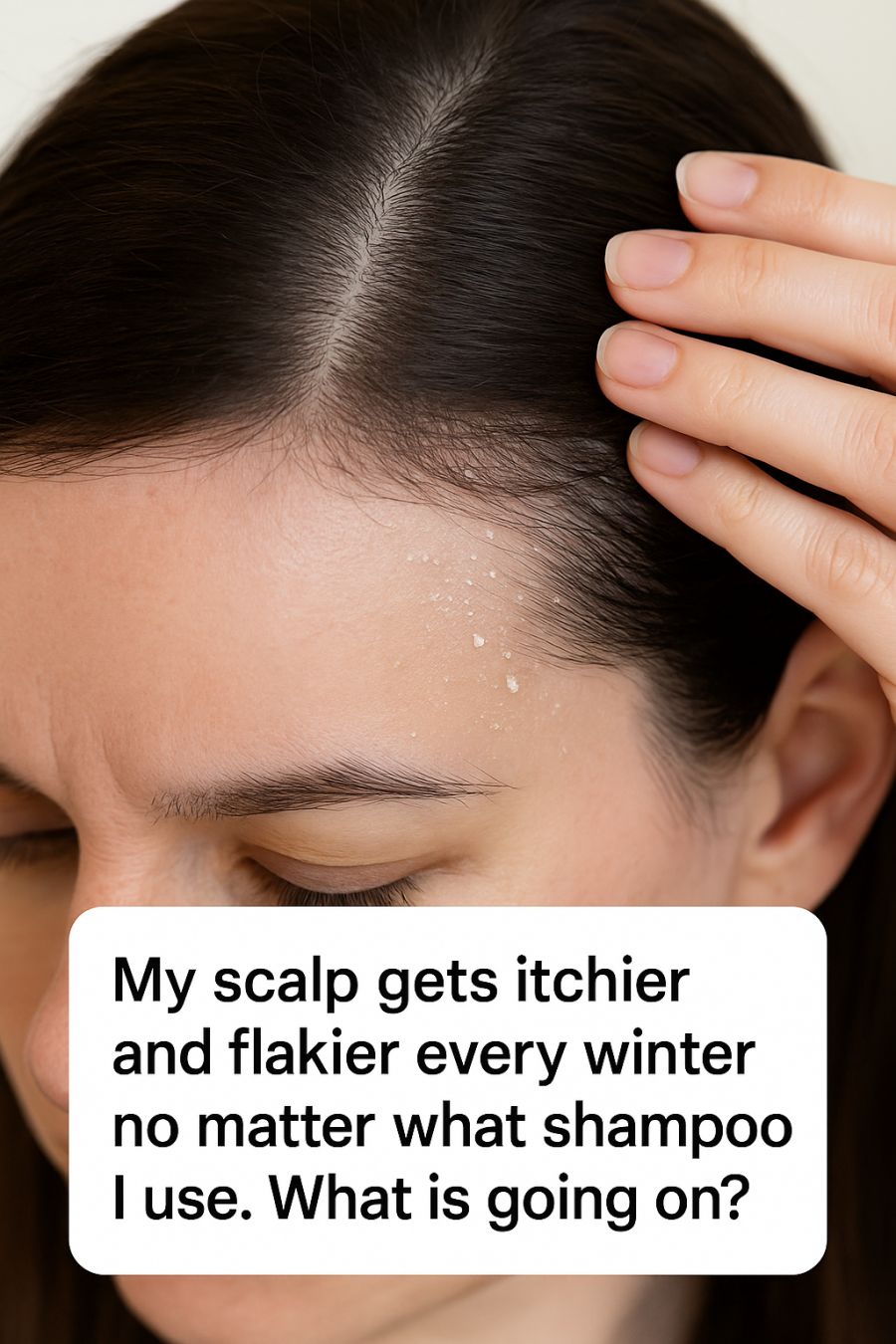
As the temperature drops and the snow begins to fall, many people find themselves dealing with an unexpected and frustrating side effect of winter: an itchy and flaky scalp. No matter how many different shampoos you try or how diligently you wash your hair, the problem persists, leaving you scratching your head (literally) wondering what is going on. This issue is not just a minor annoyance; it can also be embarrassing and affect your self-confidence.
Understanding why your scalp becomes itchier and flakier during the winter months requires a closer look at the interplay between environmental factors and the biology of your skin. From the dry, cold air outside to the heated, moisture-sapping air inside, winter conditions create the perfect storm for scalp irritation. In this article, we will delve into the causes of winter scalp issues and explore effective solutions to help you maintain a healthy scalp all season long.
1. Why Winter Turns Your Scalp Into A Dry, Itchy Mess
Winter weather is notorious for stripping moisture from your skin, including your scalp. The cold air outside is often dry, and when you go indoors, the heating systems further reduce humidity levels, creating an environment that saps moisture from your hair and scalp. This lack of moisture leads to dry skin, which becomes easily irritated and itchy.
Moreover, the body’s natural response to cold is to conserve heat, which can reduce blood flow to the skin, including the scalp. This reduced circulation can decrease the delivery of essential nutrients and moisture to the scalp, exacerbating dryness and itchiness. A study published in the Journal of Investigative Dermatology found that skin hydration levels can decrease by as much as 25% during winter months.
2. The Difference Between Dry Scalp And Dandruff (And Why It Matters)
While both dry scalp and dandruff can cause itching and flaking, they are different conditions with different causes. A dry scalp occurs when the skin lacks moisture, resulting in loose, white flakes. Dandruff, on the other hand, is often caused by an overproduction of oil and the presence of a yeast-like fungus called Malassezia, leading to larger, oily flakes that may appear yellowish.
Understanding the difference is crucial because it influences the treatment approach. Treating a dry scalp usually involves adding moisture, while dandruff requires controlling oil production and reducing the yeast population. A misdiagnosis could lead to using the wrong products and exacerbating the problem.
3. Seborrheic Dermatitis: The Underlying Skin Condition No Shampoo Ad Admits
Seborrheic dermatitis is a chronic form of eczema that affects areas of the body with a high density of oil glands, such as the scalp. This condition causes red, inflamed skin covered with flaky white or yellow scales. While the exact cause is unknown, it is believed to be linked to an overgrowth of Malassezia yeast and an abnormal immune response.
Unlike simple dandruff, seborrheic dermatitis often requires more than just anti-dandruff shampoos to manage. Treatments may include medicated shampoos containing antifungal agents, topical corticosteroids, and other prescription treatments. An accurate diagnosis from a dermatologist can lead to a more effective treatment plan.
4. How Cold Air, Indoor Heating, And Hot Showers Disrupt Your Scalp Barrier
The scalp’s natural barrier is designed to retain moisture and protect against irritants. However, in winter, this barrier can become compromised. Cold air lacks humidity, which dries out the scalp. When we go indoors, central heating further depletes moisture from the air, intensifying the dryness.
Additionally, hot showers, which are tempting in cold weather, can strip the scalp of natural oils. The hot water can inflame the skin and disrupt the lipid layer that helps retain moisture. Experts recommend using lukewarm water and limiting shower time to help preserve the scalp’s natural barrier.
5. The Role Of Yeast (Malassezia) In Winter Flakes And Inflammation
Malassezia is a type of yeast that naturally lives on the skin and scalp. Under normal conditions, it coexists peacefully with its host. However, certain factors, such as increased oil production or a compromised scalp barrier, can lead to an overgrowth of this yeast, resulting in inflammation and flaking.
During winter, the changes in skin oil balance and humidity can create an environment conducive to Malassezia proliferation. This can exacerbate conditions like dandruff and seborrheic dermatitis. Antifungal treatments, such as shampoos containing ketoconazole or selenium sulfide, can help control the growth of Malassezia and reduce symptoms.
6. Why Swapping Shampoos Every Week Doesn’t Fix A Sensitized Scalp
Constantly changing shampoos in search of relief might seem like a good idea, but it can actually irritate your scalp further. Each shampoo has a unique formulation, and frequently switching can disrupt the balance of your scalp’s microbiome and pH level.
Moreover, some shampoos might contain harsh sulfates or fragrances that can worsen sensitivity. Instead of switching products frequently, identify a gentle, sulfate-free shampoo and pair it with a moisturizing conditioner. Consistency is key to allowing your scalp to adjust and heal.
7. Viral TikTok Scalp Hacks: What Actually Helps And What Can Make Things Worse
Social media platforms like TikTok are rife with DIY solutions for scalp issues, ranging from using apple cider vinegar rinses to applying coconut oil. While some hacks can be beneficial, others may cause more harm than good.
For instance, apple cider vinegar can help balance the scalp’s pH, but if used undiluted, it can cause irritation. Coconut oil can moisturize, but it may also contribute to oil buildup and worsen dandruff. It’s important to research and test any viral advice carefully and consult with a dermatologist if unsure.
8. Ingredients Dermatologists Swear By For Winter Scalp Relief
Dermatologists often recommend ingredients like salicylic acid, which helps exfoliate the scalp and remove flakes, and coal tar, which reduces scaling and slows skin cell turnover. Zinc pyrithione and selenium sulfide are also effective in reducing yeast growth.
Natural oils like jojoba and argan oil can provide moisture without clogging pores. When choosing products, look for these ingredients to help manage winter scalp issues effectively.
9. Everyday Habits That Quiet Itch And Flakes Without Overhauling Your Routine
Small changes in your daily routine can make a significant difference in scalp health. Using a humidifier at home can add moisture to the air, preventing the scalp from drying out. Incorporating a gentle scalp massage can improve blood circulation and promote a healthy scalp.
Wearing a hat outdoors can protect the scalp from cold air, but make sure it’s not too tight to prevent irritation. Staying hydrated by drinking plenty of water also supports overall skin health.
10. When Your Scalp Signals Something More: Psoriasis, Eczema, And Other Conditions
In some cases, an itchy, flaky scalp might signal a more serious condition like psoriasis or eczema. Psoriasis is an autoimmune disorder characterized by red, scaly patches, while eczema causes inflamed, itchy skin.
If over-the-counter treatments and lifestyle changes don’t improve symptoms, it’s important to see a dermatologist. They can provide a proper diagnosis and recommend appropriate treatments, which may include prescription medications or light therapy.
11. How To Talk To A Dermatologist So You Don’t Get Sent Home With “Just Use Anti-Dandruff”
When consulting with a dermatologist, preparation is key. Document your symptoms, including when they occur and any triggers you’ve noticed. Be honest about your hair care routine and any products you’ve tried.
Ask specific questions about underlying conditions and treatment options beyond over-the-counter solutions. A detailed discussion can lead to a more personalized treatment plan and better outcomes for your scalp health.
