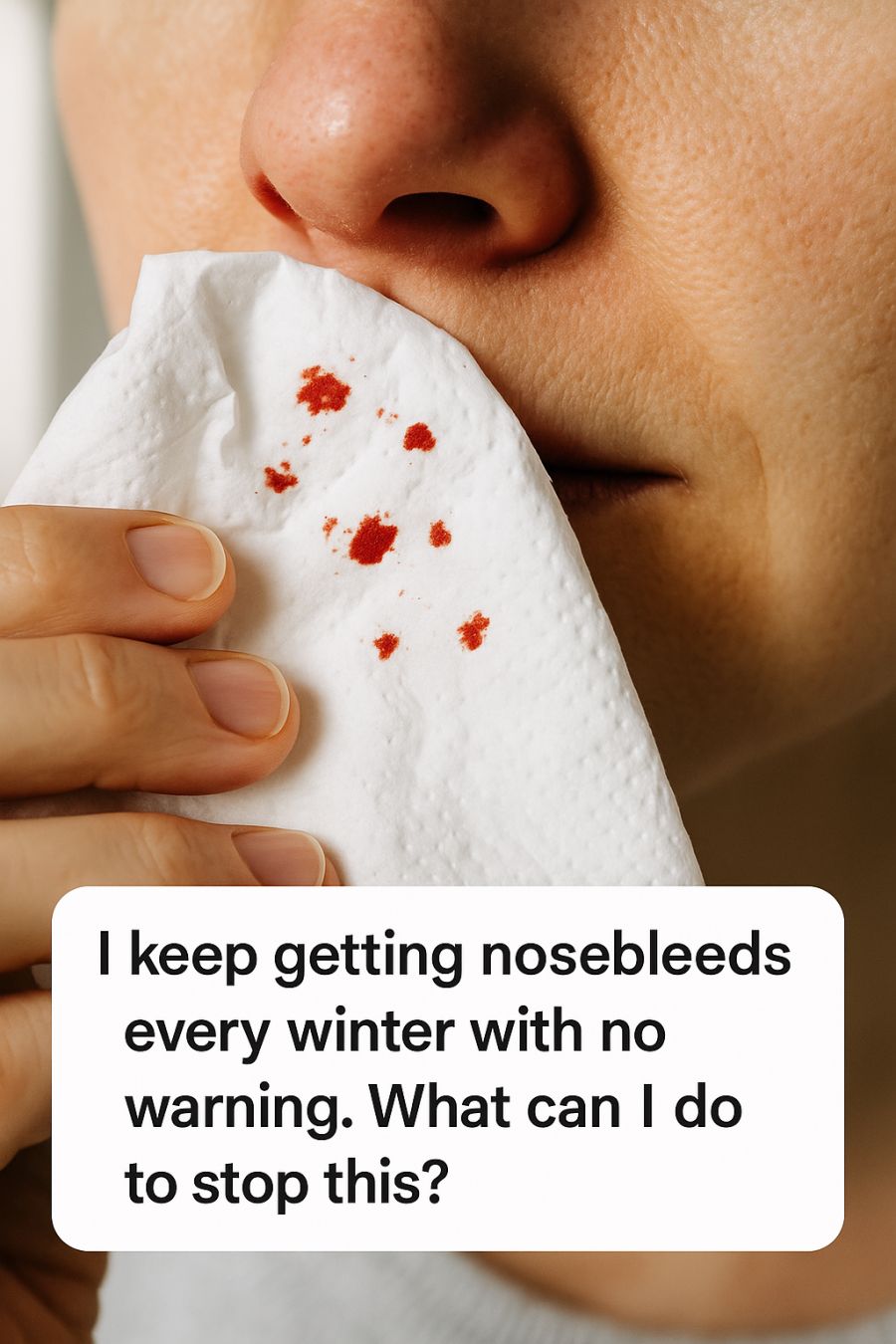
As the winter months approach, you may find yourself reaching for tissues more often, not just because of the usual colds and flu, but due to an unexpected culprit: nosebleeds. These sudden and often inconvenient episodes can catch you off guard, especially when they seem to happen without any warning. Understanding the cause of winter nosebleeds and how to prevent them can save you from the discomfort and inconvenience they bring.
Winter nosebleeds are more common than you might think, and they can affect anyone, regardless of age or health status. The cold winter air, combined with indoor heating, creates a perfect storm for drying out the nasal passages. This dryness can lead to irritation and ultimately result in nosebleeds. Fortunately, there are several strategies you can employ to minimize the risk and frequency of these winter nosebleeds, allowing you to enjoy the season without the constant worry of an unexpected bleed.
1. Why Winter Triggers Sudden Nosebleeds
Winter nosebleeds are primarily triggered by the dry, cold air that characterizes the season. When the temperature drops, the air holds less moisture. This dry air, along with the use of indoor heating, can drastically reduce the humidity levels inside your home. Typically, the ideal indoor humidity level is between 30% and 50%, but during winter, it can drop below 20%, making the nasal mucosa dry and more prone to bleeding.
Additionally, the cold weather causes the blood vessels in the nose to constrict and then rapidly expand when you enter a warm room. This can cause the delicate blood vessels in your nose to rupture, leading to a nosebleed. The combination of dry air and rapid temperature changes creates an environment where nosebleeds are more likely to occur.
2. How Dry Nasal Mucosa Makes Bleeding More Likely
The nasal mucosa is a mucous membrane that lines the nasal cavity and is responsible for keeping the nose moist and trapping dust and pathogens. When the air is dry, this mucosa can become parched and cracked, similar to how your skin might feel during the winter. These tiny cracks can rupture blood vessels, leading to nosebleeds.
Moreover, the nasal passages have a rich supply of blood vessels located close to the surface, which makes them particularly susceptible to bleeding when dry. Keeping the nasal passages moist helps protect these blood vessels and reduces the likelihood of a nosebleed.
3. Humidify Your Home (Without Making It a Sauna)
One effective way to combat winter dryness is by using a humidifier in your home. Humidifiers add moisture to the air, helping to maintain a comfortable humidity level. Aim for a humidity level between 30% and 50% to prevent the nasal passages from drying out. You can measure this with a hygrometer, a small device that monitors humidity levels.
However, it’s important not to over-humidify your home, as excessive moisture can lead to mold growth and other issues. Use the humidifier in the rooms where you spend the most time, especially the bedroom, to ensure you are breathing moist air while you sleep.
4. The Right Way to Use Saline Sprays and Nasal Gels
Saline sprays and nasal gels can be a simple and effective way to keep your nasal passages moist. Saline sprays can be used several times a day to add moisture without the risk of overuse that comes with medicated nasal sprays. They work by hydrating the nasal tissue and thinning mucus.
Nasal gels, on the other hand, provide a longer-lasting barrier of moisture. Apply a small amount of gel inside each nostril before bed to keep the nasal passages hydrated overnight. These products are typically safe for daily use and can be found over-the-counter at most pharmacies.
5. Viral Hack Check: Do Home Humidifier Tricks Actually Work?
There are several viral hacks circulating online regarding home humidifier tricks, such as placing bowls of water around the house or hanging wet towels near heat sources. While these methods can offer a slight increase in humidity, they are generally not as effective as a dedicated humidifier.
For a significant increase in humidity, investing in a quality humidifier is recommended. This appliance is specifically designed to add moisture to the air efficiently and can be adjusted to maintain the desired humidity level, providing a more reliable solution than makeshift hacks.
6. Simple Daily Habits to Keep Your Nose Lining Moist
In addition to using humidifiers and saline sprays, there are several daily habits you can adopt to keep your nose lining moist. Staying hydrated is crucial; drinking plenty of water throughout the day helps maintain overall hydration, including the nasal mucosa.
Using a gentle facial moisturizer around your nostrils can also help prevent dryness. Additionally, taking warm (not hot) showers and breathing in the steam can help hydrate the nasal passages. Avoiding irritants such as cigarette smoke and harsh chemicals is also important, as these can further dry out and irritate the nasal lining.
7. Stop Nose Picking and Aggressive Blowing Before They Start
Nose picking and aggressive nose blowing can exacerbate the problem of dry, bleeding nostrils. The mechanical action of picking can directly injure the delicate blood vessels, leading to nosebleeds. Similarly, aggressive nose blowing can increase pressure in the nasal cavity, causing blood vessels to burst.
Instead, blow your nose gently and only when necessary. If you feel the need to clear your nasal passages, consider using a saline spray or nasal rinse to help loosen mucus without causing damage.
8. How to Safely Use Vaseline and Other Ointments in Your Nose
Using ointments such as Vaseline can be an effective way to create a barrier that locks in moisture. However, it’s important to use these products safely. Apply a small amount of ointment inside the nostrils with a cotton swab or your fingertip, ensuring not to insert anything too deeply into the nasal cavity.
While Vaseline is generally safe for this use, be mindful of the amount and frequency, as excessive use can lead to aspiration, particularly in young children. For a more natural option, consider using coconut oil or a specialized nasal ointment available at drugstores.
9. When Your Medications or Health Conditions Are to Blame
Certain medications, such as antihistamines and decongestants, can contribute to nasal dryness, increasing the likelihood of nosebleeds. If you suspect your medication is causing dryness, consult with your healthcare provider for alternatives or solutions.
Health conditions such as allergies, sinus infections, or structural issues like a deviated septum can also play a role in frequent nosebleeds. Addressing the underlying condition with appropriate treatment can help reduce the occurrence of nosebleeds.
10. First-Aid Steps to Stop a Nosebleed Fast
If a nosebleed occurs, stay calm and follow these steps to stop it quickly. Sit up straight and lean slightly forward. Do not tilt your head back, as this can cause blood to run down the throat. Pinch the soft part of your nose with your thumb and index finger and hold firmly for 5 to 10 minutes.
While pinching your nose, breathe through your mouth and avoid swallowing blood. After 10 minutes, release the pressure and check if the bleeding has stopped. If the bleeding continues, repeat the process. Applying a cold compress to the nose and cheeks can also help constrict blood vessels and reduce bleeding.
11. Red-Flag Symptoms: When a Winter Nosebleed Means See a Doctor
While most winter nosebleeds are harmless, there are certain symptoms that warrant medical attention. If you experience frequent, heavy nosebleeds that do not stop after 20 minutes of applying pressure, or if they are accompanied by symptoms such as dizziness, weakness, or paleness, seek medical help immediately.
Additionally, if you notice blood in your urine or stool, or if you have a history of a bleeding disorder, it is important to consult with a healthcare professional to rule out any serious underlying conditions.
12. Long-Term Treatments If Nosebleeds Keep Coming Back
If nosebleeds persist despite your best efforts, there are long-term treatments available. A healthcare provider may recommend cauterization, a procedure that seals bleeding blood vessels in the nose. This can be done using silver nitrate or an electrical device.
For individuals with chronic conditions leading to frequent nosebleeds, such as hereditary hemorrhagic telangiectasia (HHT), ongoing medical management may be necessary. In some cases, surgery to correct structural issues in the nasal passages might be considered. Always consult with an ENT specialist to explore the best treatment options for your specific situation.
