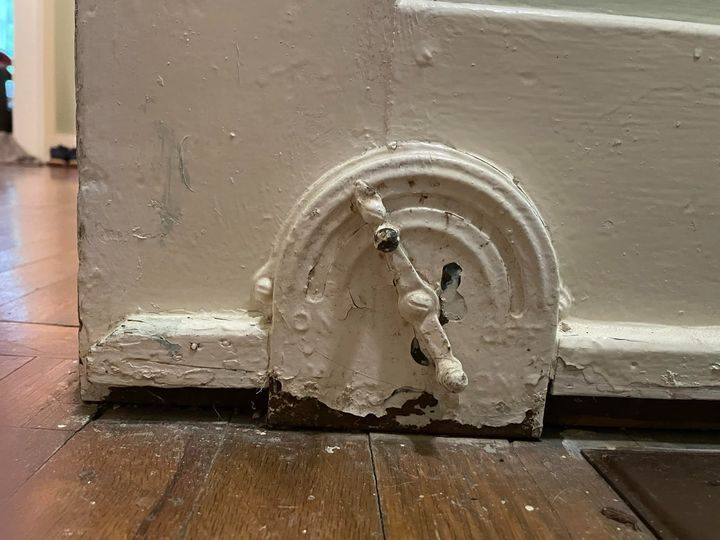
The Subtle Beauty of Vintage Damper Controls
In the world of architectural design and vintage home elements, some details are so understated that they often go unnoticed—until you take a closer look. Vintage damper controls, those small levers and mechanisms used to regulate airflow in old fireplaces and heating systems, are a perfect example. Beyond their practical function, they carry a quiet elegance that reflects both craftsmanship and design sensibility from a bygone era.
A Functional Art Form
At first glance, damper controls may seem purely utilitarian. Yet, many vintage examples reveal exquisite attention to detail: brass levers polished to a soft glow, cast-iron knobs with intricate engravings, or delicately curved mechanisms that fit seamlessly into wooden mantelpieces. These were not just functional objects; they were thoughtfully designed pieces meant to complement the interior aesthetics of the home.
The Allure of Simplicity
One of the most compelling aspects of vintage damper controls is their simplicity. In a time before mass-produced, disposable components, each control was made to last. The tactile satisfaction of moving a lever or turning a knob is a reminder of a slower, more deliberate era in design. The subtle click of the mechanism, the smooth motion, and the balanced proportions all contribute to a sensory experience often missing in modern equivalents.
Collectible and Appreciated
Today, vintage damper controls have become collectible items for restoration enthusiasts and interior designers alike. Restoring a historic home or even repurposing a single damper control can add authenticity and character to a space. They serve as a reminder that beauty doesn’t always shout—it often whispers through carefully crafted details.
Why They Matter
In an age dominated by sleek, minimal, and often impersonal hardware, vintage damper controls offer a tactile connection to history. They tell a story about the homes they served, the hands that crafted them, and the people who used them daily. Appreciating these small elements can deepen one’s understanding of design, function, and the quiet artistry of everyday objects.
