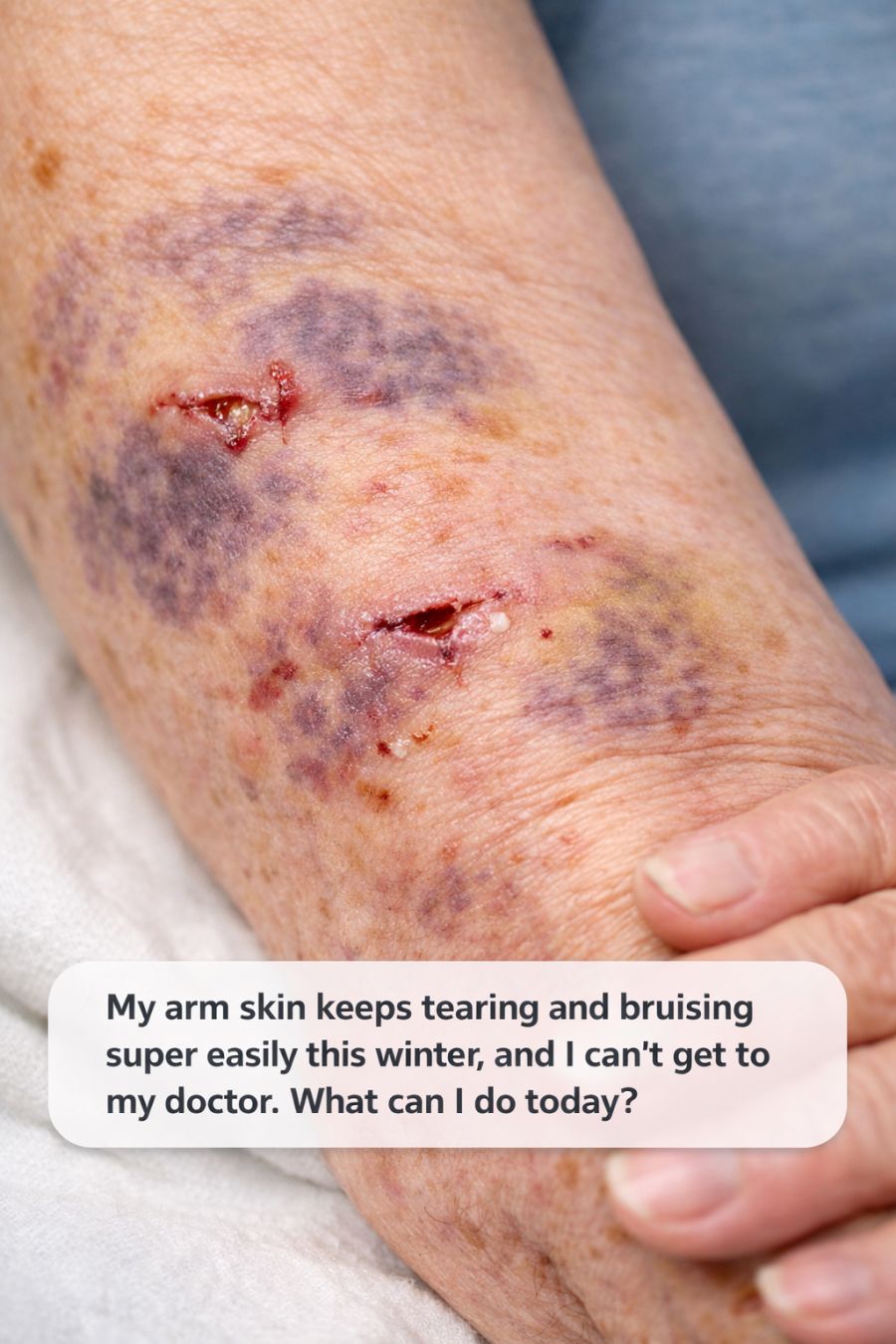
Winter months can be harsh on the skin, especially when temperatures drop and humidity levels plummet. For many, this seasonal change leads to dry, fragile, and easily damaged skin, particularly on the arms. If you’re finding that your arm skin is tearing and bruising more easily this winter, you’re not alone. This is a common issue, exacerbated by dry indoor air, hot showers, and lack of proper skin care.
Unfortunately, getting to a doctor might not always be feasible, whether due to scheduling conflicts, location, or other personal reasons. However, there are several steps you can take today to care for your skin at home. From understanding the causes of your skin’s fragility to implementing effective moisturizing strategies, this article will guide you through managing and improving your skin’s condition during the colder months.
1. Why Your Skin Is Suddenly So Fragile This Winter
Winter weather often results in lower humidity, which can lead to the skin losing moisture more quickly than usual. This dehydration weakens the skin barrier, making it more prone to tears and bruises. Indoor heating systems exacerbate this issue by further reducing humidity levels in your home. Additionally, hot showers, which are common in winter, can strip the skin of its natural oils, contributing to dryness and fragility.
Age can also play a role, as skin naturally becomes thinner and less elastic over time. This is due to a reduction in collagen and elastin, proteins that provide structure and elasticity. The combination of environmental factors and natural aging processes can lead to the skin becoming more fragile, especially in winter months.
2. Spot the Signs of Dermatoporosis Versus ‘Normal’ Dry Winter Skin
Dermatoporosis, often referred to as ‘fragile skin syndrome,’ is a chronic condition characterized by extremely thin and fragile skin, especially in aging populations. Signs include skin that bruises and tears with minimal trauma, a paper-like appearance, and slow healing.
In contrast, ‘normal’ dry winter skin might feel tight, look flaky, and be mildly itchy, but it typically doesn’t bruise or tear easily. Understanding these differences can help you determine whether your symptoms are more severe and require medical attention.
3. When Easy Bruising and Skin Tears Are an Emergency
While skin tears and bruises are often benign, certain symptoms might indicate a more serious problem. If you experience excessive bleeding, signs of infection (such as redness, warmth, or pus), or if the bruising is widespread and doesn’t resolve, it may be time to seek medical help.
Additionally, if you have underlying health conditions such as diabetes or are on medications like blood thinners, it’s important to monitor your skin closely, as these factors can complicate healing and increase the risk of infection.
4. Gentle Cleansing Swaps You Can Make Today
Switch out harsh soaps and cleansers for gentle, hydrating ones that are free of fragrances and sulfates. Look for products labeled as ‘soap-free’ or ‘for sensitive skin.’ These options are less likely to strip your skin of its natural oils.
Additionally, consider using lukewarm water instead of hot water when washing, as hot water can exacerbate dryness and irritation. Pat your skin dry with a soft towel rather than rubbing it, to minimize friction and potential damage.
5. Moisturizing Like a Dermatologist: What to Use and When
Apply a rich, emollient moisturizer immediately after bathing while your skin is still damp. This helps to lock in moisture and strengthen the skin barrier. Ingredients such as glycerin, hyaluronic acid, and ceramides are particularly effective.
Reapply moisturizer throughout the day as needed, especially after washing your hands or if you notice any areas becoming dry or irritated. For extra protection, consider using a heavier occlusive moisturizer at night.
6. The Viral ‘Slugging’ Trend: Can It Help Fragile Arm Skin?
Slugging, a trend popularized by social media, involves applying a thick layer of petroleum jelly or a similar occlusive agent over your moisturizer to lock in hydration overnight. This method can be beneficial for fragile or extremely dry skin, as it creates a protective barrier that prevents moisture loss.
While slugging can be helpful, it’s important to ensure that your skin can tolerate it. Test on a small area first and avoid slugging if you have acne-prone skin, as it might exacerbate breakouts.
7. Simple Clothing and Household Hacks to Prevent New Skin Tears
Wear soft, long-sleeved clothing made of natural fibers like cotton to protect your arms from friction and environmental elements. Avoid rough fabrics such as wool or synthetic materials that might irritate the skin.
At home, use humidifiers to add moisture to the air, especially in the rooms you spend the most time in. This can help prevent your skin from becoming excessively dry. Also, ensure your environment is free of sharp objects or rough surfaces that could accidentally cause skin tears.
8. How to Protect Your Arms If You’re on Steroids or Blood Thinners
If you’re taking medications like corticosteroids or blood thinners, your skin may be more susceptible to bruising and tearing. It’s crucial to handle your skin gently and avoid any unnecessary trauma.
Consider wearing protective arm sleeves for added protection, especially if you’re participating in activities where your arms might be exposed to potential injury. Additionally, consult with your healthcare provider about any concerns related to your medications and skin health.
9. First Aid for Skin Tears and Bruises You Can Do at Home
For minor skin tears, gently clean the wound with water and apply a non-adherent dressing to protect it while it heals. If the tear is bleeding, apply gentle pressure with a clean cloth until it stops.
For bruises, elevate the affected area if possible and apply a cold compress to reduce swelling and discoloration. Avoid massaging the bruise, as this can worsen the bleeding under the skin.
10. Food, Fluids, and Supplements That Support Skin Strength
Stay hydrated by drinking plenty of water throughout the day, as adequate fluid intake is essential for maintaining skin elasticity and strength. Incorporate foods rich in omega-3 fatty acids, such as fish and flaxseeds, to support skin health.
Consider taking supplements like vitamin C, which is crucial for collagen production, and zinc, which aids in skin healing. However, always consult with a healthcare provider before starting any new supplement regimen.
11. Smart Over-the-Counter Products to Look For at the Pharmacy
Look for over-the-counter creams and ointments containing ingredients like dimethicone, lanolin, and shea butter, which provide effective moisture barriers and support skin repair.
Additionally, consider products like silicone gel sheets or pads, which can help protect fragile skin and reduce the risk of tears and bruises.
12. Safe At-Home Practices to Avoid That Actually Make Things Worse
Avoid using harsh exfoliants or scrubs, as they can further damage fragile skin. Instead, opt for gentle exfoliation methods, such as a soft washcloth, and limit this to once a week.
Be cautious with DIY skin remedies and essential oils, as these can cause irritation or allergic reactions in sensitive skin. Always perform a patch test before applying any new product to a large area.
13. How to Track Your Symptoms and Prep for Your Future Doctor Visit
Keep a detailed journal of your symptoms, noting any changes in your skin’s condition, frequency of bruising or tearing, and any potential triggers or improvements. This information can be invaluable during your doctor’s appointment.
Take photos of any significant skin changes or lesions, as visual documentation can aid in your healthcare provider’s assessment and diagnosis. Prepare a list of questions or concerns you want to discuss, ensuring that your visit is both comprehensive and productive.
