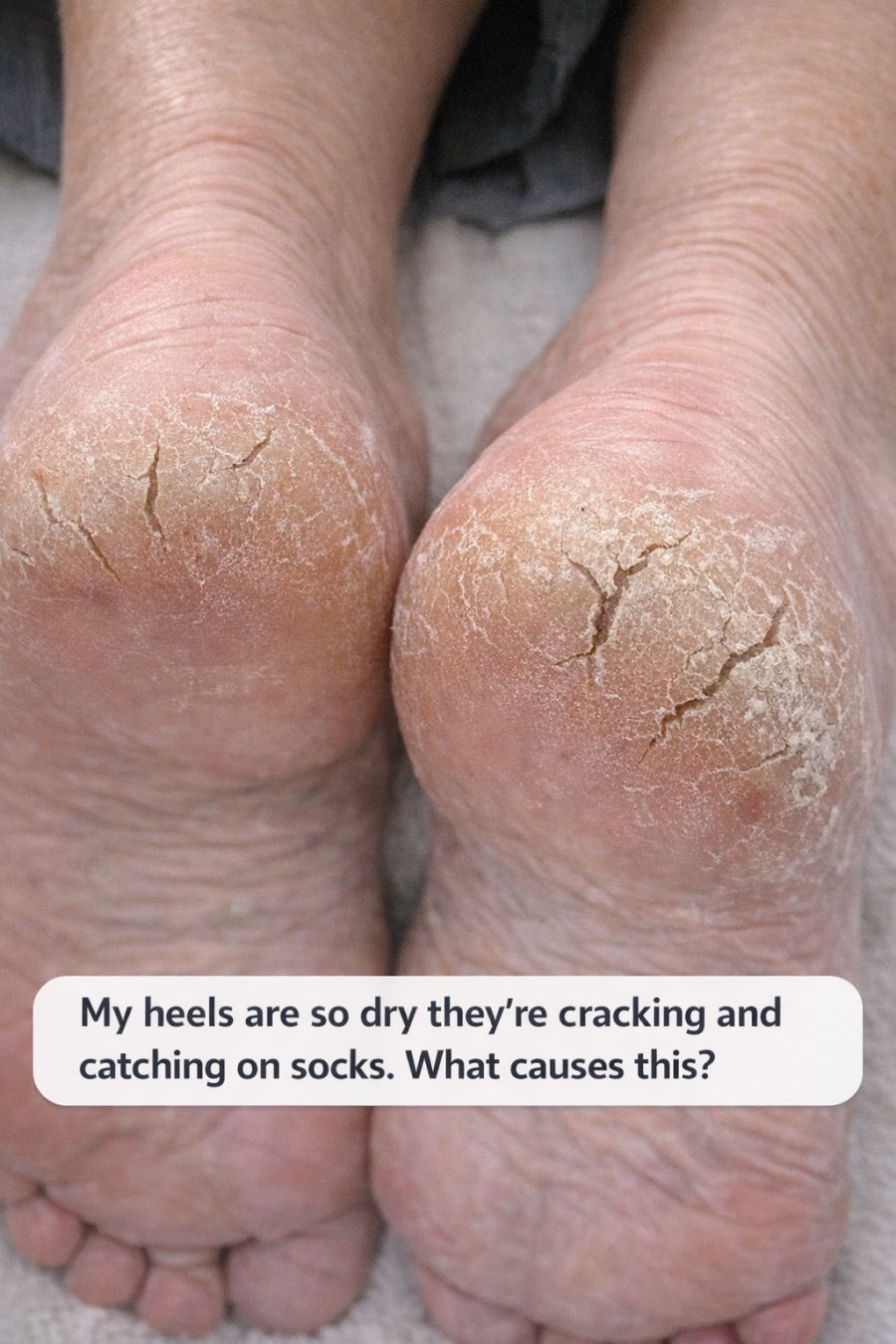
Cracked heels, medically known as heel fissures, are a common foot problem that can cause discomfort or even pain. Many people experience this issue, especially when their feet become extremely dry. The skin around the heel becomes thick, dry, and callused, leading to cracks that can catch on socks and even cause bleeding in severe cases. This condition not only affects the aesthetics of the feet but can also lead to infections if not treated properly.
Understanding what causes cracked heels is essential to both treat and prevent them. From everyday habits to underlying medical conditions, a variety of factors can contribute to the development of this uncomfortable condition. In this article, we’ll explore the most common causes of cracked heels, the role of environmental factors, and what steps you can take to maintain healthy, smooth feet.
1. What’s Actually Happening When Your Heels Crack
When your heels crack, the skin on your feet has become excessively dry and thickened. This thickening, known as callus formation, occurs as a protective response to pressure and friction. The skin loses its elasticity and becomes rigid, which makes it more susceptible to cracking under pressure. These cracks, or fissures, can be superficial or deep, depending on the severity of the dryness and the thickness of the callus.
The average thickness of callused skin on the heel can range from 1 to 3 millimeters, while healthy skin is typically around 0.5 millimeters. When the skin loses its natural moisture content, which normally ranges between 10-30%, it becomes less pliable and more prone to splitting. This is why maintaining adequate hydration in the skin is crucial to prevent cracking.
2. Why Dry Skin Targets Your Heels First
The heels are particularly prone to dryness and cracking due to their structure and function. They bear the brunt of the body’s weight and are under constant pressure, especially during walking and standing. This pressure can cause the skin to expand sideways, leading to cracking.
Additionally, the heels have fewer oil glands compared to other parts of the body, which means they naturally have less moisture. With less oil to keep the skin supple, the heels are more susceptible to drying out. This is why the skin on the heels can become dry and cracked more easily than other areas.
3. Common Everyday Habits That Make Heel Fissures Worse
Certain everyday habits can exacerbate heel fissures. Prolonged standing, especially on hard surfaces, increases the pressure on the heels, leading to more callus formation and potential cracking. Wearing open-backed shoes or sandals can also contribute to heel dryness, as they expose the feet to the elements and provide little support.
Not moisturizing the feet regularly is another common habit that can worsen cracked heels. The skin needs regular hydration to maintain its elasticity and prevent drying out. Skipping this step in a daily routine can lead to increased dryness and cracking over time.
4. Footwear Mistakes That Dry and Damage Your Heels
Wearing ill-fitting shoes is a major contributor to heel cracking. Shoes that are too tight can increase friction and pressure on the heels, while loose shoes can cause the foot to slide, leading to more friction. Both scenarios can result in callus formation and eventual cracking.
Additionally, wearing shoes made from non-breathable materials can trap moisture, leading to skin maceration and subsequent drying when the shoes are removed. Opting for shoes with proper arch support and a cushioned sole can help distribute weight evenly and reduce pressure on the heels.
5. How Skin Conditions Like Eczema and Psoriasis Play a Role
Skin conditions such as eczema and psoriasis can significantly affect the health of your heels. Eczema, characterized by dry, itchy, and inflamed skin, can lead to excessive dryness and cracking on the heels. Psoriasis, which causes the skin to grow too quickly, can result in thick, scaly patches that are prone to cracking.
These conditions disrupt the normal barrier function of the skin, making it more vulnerable to environmental factors that cause dryness. Managing these underlying conditions with appropriate treatments can help reduce the incidence of cracked heels.
6. Medical Causes: Diabetes, Thyroid Issues, and Poor Circulation
Certain medical conditions can predispose individuals to cracked heels. Diabetes, for example, can lead to neuropathy and poor circulation, which in turn can reduce the skin’s ability to heal and maintain moisture. People with diabetes are advised to inspect their feet regularly for any signs of dryness or cracking.
Hypothyroidism can also contribute to dry skin, including on the heels, due to reduced sweat and oil gland activity. Poor circulation, often seen in peripheral artery disease, can lead to insufficient nutrient and oxygen delivery to the skin, resulting in dryness and cracking.
7. Weather, Indoor Heating, and Other Environmental Triggers
Environmental factors play a significant role in the development of cracked heels. Cold weather and low humidity levels can strip the skin of its natural moisture, leading to dryness and cracks. Additionally, indoor heating during winter months can exacerbate this effect by further reducing humidity levels indoors.
Being aware of these environmental triggers and taking preventive measures, such as using a humidifier and moisturizing regularly, can help maintain skin hydration and prevent cracking.
8. The Hidden Impact of Aging and Hormones on Heel Skin
As we age, our skin naturally becomes drier and less elastic due to a decrease in collagen production and oil gland activity. This makes older individuals more prone to developing cracked heels. Hormonal changes, particularly during menopause, can further exacerbate this issue as estrogen levels drop, leading to decreased skin moisture retention.
Maintaining a consistent skincare routine that includes regular moisturizing and gentle exfoliation can help mitigate the effects of aging on heel skin.
9. When Cracked Heels Signal an Infection or Nutrient Deficiency
In some cases, cracked heels can be a sign of an underlying infection or nutrient deficiency. Fungal infections, such as athlete’s foot, can cause peeling and cracking of the skin on the feet, including the heels. Addressing the infection with antifungal treatments is essential for healing.
Nutrient deficiencies, particularly in vitamins A, B3 (niacin), C, and E, as well as essential fatty acids, can lead to dry, cracked skin. Ensuring a balanced diet that provides these nutrients can help improve skin health and prevent heel fissures.
10. What Dermatologists Recommend to Heal and Prevent Cracked Heels
Dermatologists often recommend a combination of treatments to heal and prevent cracked heels. Regular exfoliation using a pumice stone or foot file can help remove thickened, dead skin, allowing moisturizers to penetrate more effectively.
Applying a thick, emollient moisturizer, such as those containing urea, lactic acid, or salicylic acid, can help soften the skin and restore hydration. For severe cases, occlusive dressings or specialized foot creams may be recommended to provide intensive moisture therapy. Wearing closed, supportive shoes and maintaining good foot hygiene are also crucial in preventing future heel fissures.
