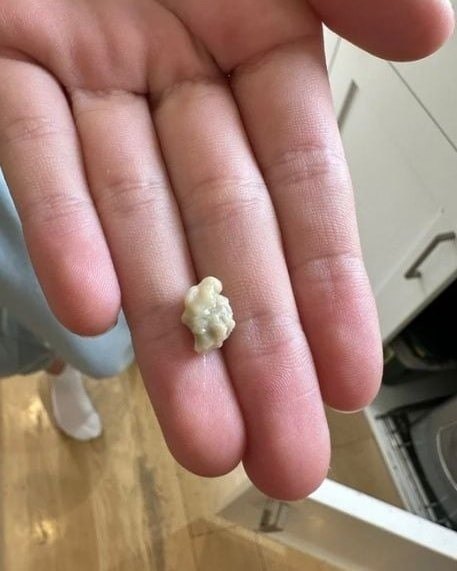
Here’s What You Need to Know About Tonsil Stones
Tonsil stones—also called tonsilloliths—are one of those health issues that many people experience but rarely talk about. They can be bothersome, embarrassing, and sometimes surprisingly stubborn. Whether you’ve noticed a strange taste in your mouth, discovered small white bumps near the back of your throat, or are simply curious about these tiny troublemakers, here’s everything you need to know.
What Exactly Are Tonsil Stones?
Your tonsils are small glands located at the back of your throat, designed to help trap bacteria and protect your immune system. They’re covered in small crevices called crypts. When debris like food particles, mucus, and dead cells become trapped in these crypts, they can harden over time—much like a pearl forming inside an oyster. The result? A tonsil stone.
Groceries
These stones vary in size from tiny grains to larger, more noticeable lumps. Some people get them only once in a while, while others deal with them regularly.
Common Signs and Symptoms
Although tonsil stones often go unnoticed, they can occasionally make their presence known. Some of the most common signs include:
- Bad breath (halitosis) – Often the most noticeable symptom
- A sore or scratchy throat
- A metallic or unpleasant taste in the mouth
- Visible small white or yellow bumps on the tonsils
- Difficulty swallowing, depending on stone size
- Ear pain caused by shared nerve pathways
If you experience chronic bad breath along with throat discomfort, a tonsil stone may be the culprit.
What Causes Tonsil Stones?
Anyone can get tonsil stones, but certain factors make them more likely:
- Chronic tonsillitis or frequent throat infections
- Large tonsil crypts (some people naturally have deeper grooves)
- Postnasal drip or excessive mucus
- Poor oral hygiene
- Sinus issues
People who still have their tonsils are more prone to stones than those who’ve had them removed.
Are Tonsil Stones Dangerous?
In most cases, tonsil stones are harmless—they’re more of an annoyance than a threat. They typically don’t cause serious medical complications. However, if a stone becomes large or repeatedly infected, it can cause more persistent symptoms.
You should contact a healthcare provider if you experience:
- Severe or ongoing throat pain
- Trouble swallowing or breathing
- Swelling in the throat
- Fever
These may indicate an infection or another condition requiring professional care.
How to Prevent Tonsil Stones
Prevention mostly revolves around keeping your mouth and throat as clean as possible. Here are some simple tips:
- Brush and floss regularly to reduce bacteria and debris
- Gargle with salt water to help clear the throat
- Stay hydrated to keep mucus thin
- Clean the tongue where odor-causing bacteria often accumulate
- Manage allergies or sinus problems that cause mucus buildup
Good oral hygiene goes a long way toward preventing future stones.
For Complete Cooking STEPS Please Head On Over To Next Page Or Open button (>) and don’t forget to SHARE with your Facebook friends
Treatment Options
Most tonsil stones can be managed at home, but treatments vary depending on size and discomfort.
At-Home Methods:
- Gargling warm salt water
- Using a cotton swab to gently dislodge the stone (with caution)
- Coughing firmly to expel smaller stones
- Oral irrigators set on a low pressure
Medical Treatments:
- Removal by a doctor in the office
- Treating underlying infections with antibiotics
- Tonsillectomy (removal of the tonsils) for chronic, severe cases
A tonsillectomy is usually considered a last resort when stones are large, painful, or constant.
Final Thoughts
Tonsil stones may be uncomfortable and embarrassing, but they’re typically harmless and quite common. Understanding what causes them—and how to treat or prevent them—can make them far less frustrating. If you experience persistent symptoms or ongoing discomfort, a healthcare professional can help identify the best solution.
