Dealing with flaky and itchy skin inside your eyebrows can be both uncomfortable and frustrating, especially when your dermatologist appointment is still weeks away. This common condition may leave you feeling self-conscious about your appearance, and the constant itch can be a source of persistent irritation. While waiting for a professional evaluation, there are several steps you can take to alleviate the symptoms and manage the condition effectively.Understanding what might be causing the skin inside your eyebrows to flake and itch is key to finding relief. Often, these symptoms are caused by seborrheic dermatitis, a common skin condition that affects oily areas, including the face and scalp. However, it’s crucial to differentiate this from other potential skin issues to ensure you’re treating it correctly. In the following sections, we will explore practical steps you can take at home to soothe your skin and prepare for your upcoming medical appointment.1. First, Make Sure It’s Likely Seborrheic Dermatitis—Not Something More SeriousBefore you start any treatment, it’s important to make sure you’re dealing with seborrheic dermatitis, which is characterized by red, flaky, and itchy skin. This condition is often found in areas with a lot of oil glands, like the scalp, face, and sometimes eyebrows. If the affected area has a greasy, yellowish scale, it’s likely seborrheic dermatitis. However, if you notice any unusual symptoms like bleeding, severe pain, or if the skin starts to crust or ooze, it might be a sign of a more serious condition like psoriasis or an infection.To rule out other conditions, consider the pattern and severity of your symptoms. Seborrheic dermatitis tends to flare up in cold, dry weather and improve in warm, humid conditions. If your symptoms don’t match this pattern, or if they’re rapidly getting worse, it’s wise to consult a healthcare provider sooner rather than later.2. Gently Cleanse Your Brows Without Stripping Your SkinStart with a gentle cleansing routine that doesn’t strip your skin of its natural oils. Use a mild, sulfate-free cleanser with lukewarm water to wash your face twice daily. Avoid hot water as it can exacerbate dryness and irritation. When cleansing your eyebrows, apply the cleanser using your fingertips in gentle, circular motions to avoid disrupting the skin’s barrier.Once you’ve cleansed your brows, pat them dry with a soft towel instead of rubbing, which can further irritate the skin. Ensuring your skin is clean will help prevent any potential buildup of oils or debris that could worsen the flaking and itching.3. Try Over-the-Counter Anti-Dandruff Shampoos on Your EyebrowsAnti-dandruff shampoos containing active ingredients like zinc pyrithione, selenium sulfide, or ketoconazole can be effective for managing seborrheic dermatitis. Gently massage a small amount of the shampoo into your eyebrows once or twice a week, being careful to avoid contact with your eyes. Let the shampoo sit on your skin for 2-3 minutes before rinsing it off thoroughly.This treatment can help to reduce yeast on the skin, which is often associated with seborrheic dermatitis. However, if you notice increased irritation or if the skin becomes more inflamed, discontinue use and consult a healthcare professional.4. Calm the Itch With Short-Term Hydrocortisone (And When to Avoid It)Hydrocortisone cream, available over-the-counter, can be helpful for reducing inflammation and itching in the short term. Apply a thin layer to the affected area once or twice a day, but limit use to no more than two weeks to avoid potential side effects like skin thinning. Be cautious if the skin is broken or if you have a history of skin sensitivity, as hydrocortisone can sometimes exacerbate these conditions.If you have a known allergy to corticosteroids or if you notice any adverse reactions, discontinue use immediately. It’s also important to avoid using hydrocortisone if you suspect an infection, as it can worsen the condition.5. Add a Soothing, Barrier-Repair Moisturizer Around Your BrowsKeeping the skin moisturized can help repair the skin barrier and reduce flaking. Look for a moisturizer that contains ceramides or hyaluronic acid, which help to lock in moisture and support the skin’s natural barrier. Apply the moisturizer gently around the eyebrows, avoiding any intense rubbing.Using a fragrance-free and non-comedogenic moisturizer can also help prevent additional irritation. Apply the moisturizer twice daily after cleansing to keep the skin hydrated and comfortable.6. Use Anti-Yeast and Anti-Inflammatory Ingredients at HomeIncorporating products with anti-yeast ingredients like tea tree oil or anti-inflammatory ingredients such as aloe vera and chamomile can be beneficial. These natural ingredients can soothe the skin and reduce inflammation. However, it’s important to perform a patch test on a small area of skin to ensure you don’t have an adverse reaction.Apply a diluted solution of tea tree oil (5% concentration) using a cotton swab to the affected area, or look for creams that contain chamomile or aloe vera extract to calm irritation. Reapply these treatments once or twice daily as needed.7. Avoid Common Triggers: Harsh Products, Hot Water, and Over-ExfoliatingAdvertisementCertain triggers can worsen seborrheic dermatitis, so it’s crucial to avoid them. Harsh soaps, alcohol-based products, and fragrances can irritate sensitive skin, so opt for gentle, hypoallergenic products instead. Additionally, avoid hot water and steam on your face, as they can dry out the skin and exacerbate symptoms.Over-exfoliating the skin can also strip away essential oils and disrupt the skin barrier, leading to increased flaking and irritation. Limit exfoliation to once a week and use a mild exfoliant to prevent aggravating the condition.8. Rethink Makeup, Brow Gels, and Skin-Care Around Your EyebrowsIf you regularly use makeup or brow gels, consider taking a break or switching to hypoallergenic formulas. Some cosmetics can clog pores and contribute to irritation. Look for non-comedogenic and fragrance-free products, and always remove makeup thoroughly at the end of the day.AdvertisementBe cautious with skin-care products that contain active ingredients like retinoids or acids near the eyebrow area, as they can increase sensitivity. Opt for simpler, soothing products that focus on hydration and barrier repair.9. Simple Lifestyle Tweaks That Can Ease Facial Seborrheic DermatitisLifestyle changes can play a significant role in managing seborrheic dermatitis. Managing stress through activities like yoga or meditation can help reduce flare-ups, as stress is a known trigger for many skin conditions. Ensure you’re getting enough rest and maintaining a balanced diet rich in omega-3 fatty acids, which have anti-inflammatory properties.Avoid excessive sun exposure and consider wearing a wide-brimmed hat or applying a non-comedogenic sunscreen if you spend time outdoors. Staying hydrated by drinking plenty of water throughout the day can also help maintain healthy skin.10. Red-Flag Symptoms That Mean You Shouldn’t Wait for Your AppointmentWhile most cases of seborrheic dermatitis can be managed at home, certain symptoms warrant immediate medical attention. If you notice the skin becoming severely inflamed, crusting, or oozing, or if the redness and swelling are spreading, seek medical advice promptly. These could indicate an infection or another skin condition requiring professional treatment.AdvertisementAdditionally, if you experience systemic symptoms like fever or if the condition significantly impacts your quality of life, contact a healthcare provider as soon as possible.11. How to Document Your Flare So You Get the Most From Your Future Doctor VisitKeeping a detailed record of your symptoms can be invaluable when you finally see your dermatologist. Note down when the symptoms began, any changes you’ve observed, and what treatments you’ve tried. Include details about any products you’ve used and whether they helped or worsened the condition.Photographs can also be helpful in documenting the progression of your symptoms. Take clear photos of the affected area at different stages to provide your doctor with a visual timeline of your condition. This comprehensive documentation will help your healthcare provider tailor the most effective treatment plan for you
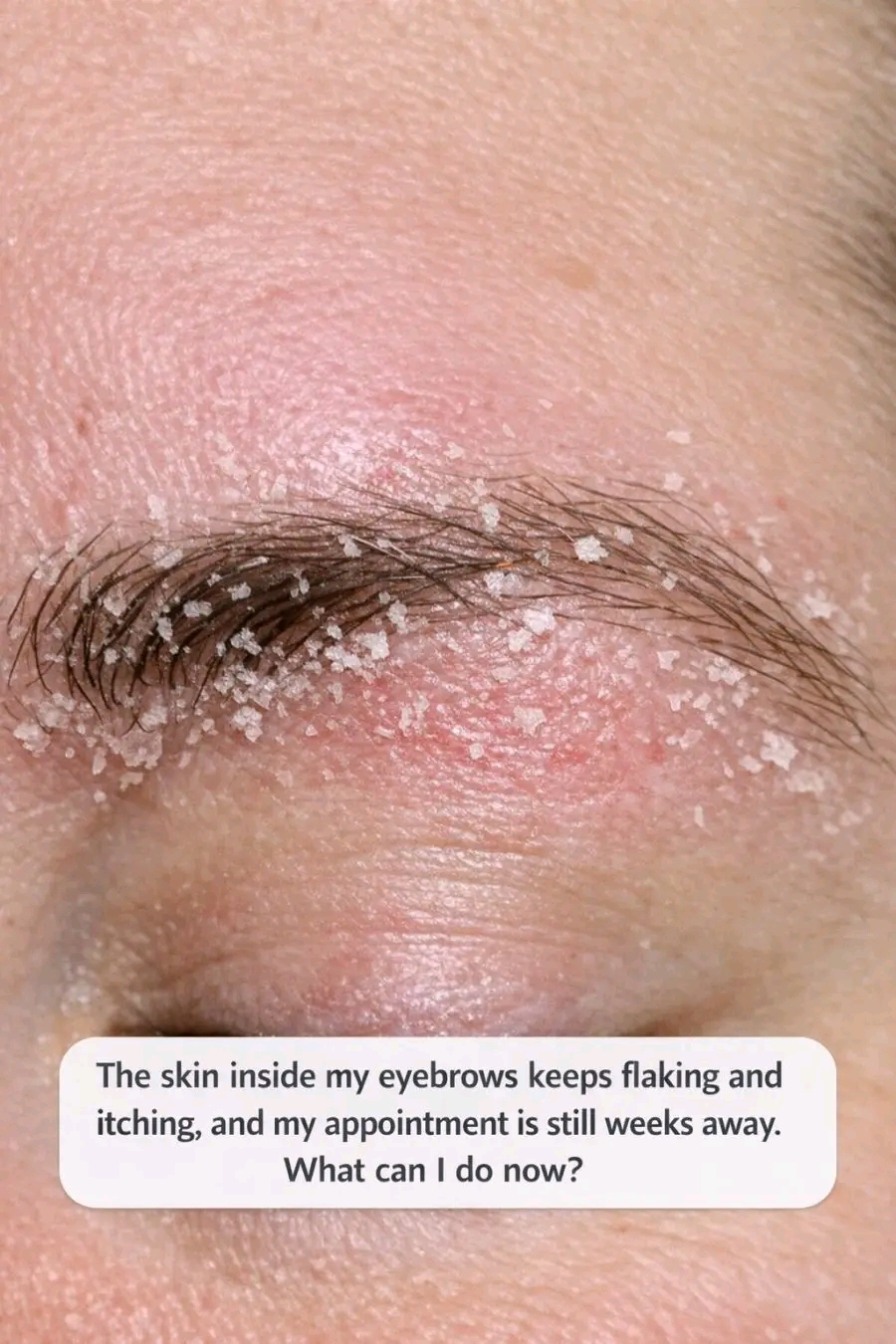
The skin inside my eyebrows keeps flaking and itching, and my appointment is still weeks away. What can I do now?
ADVERTISEMENT
