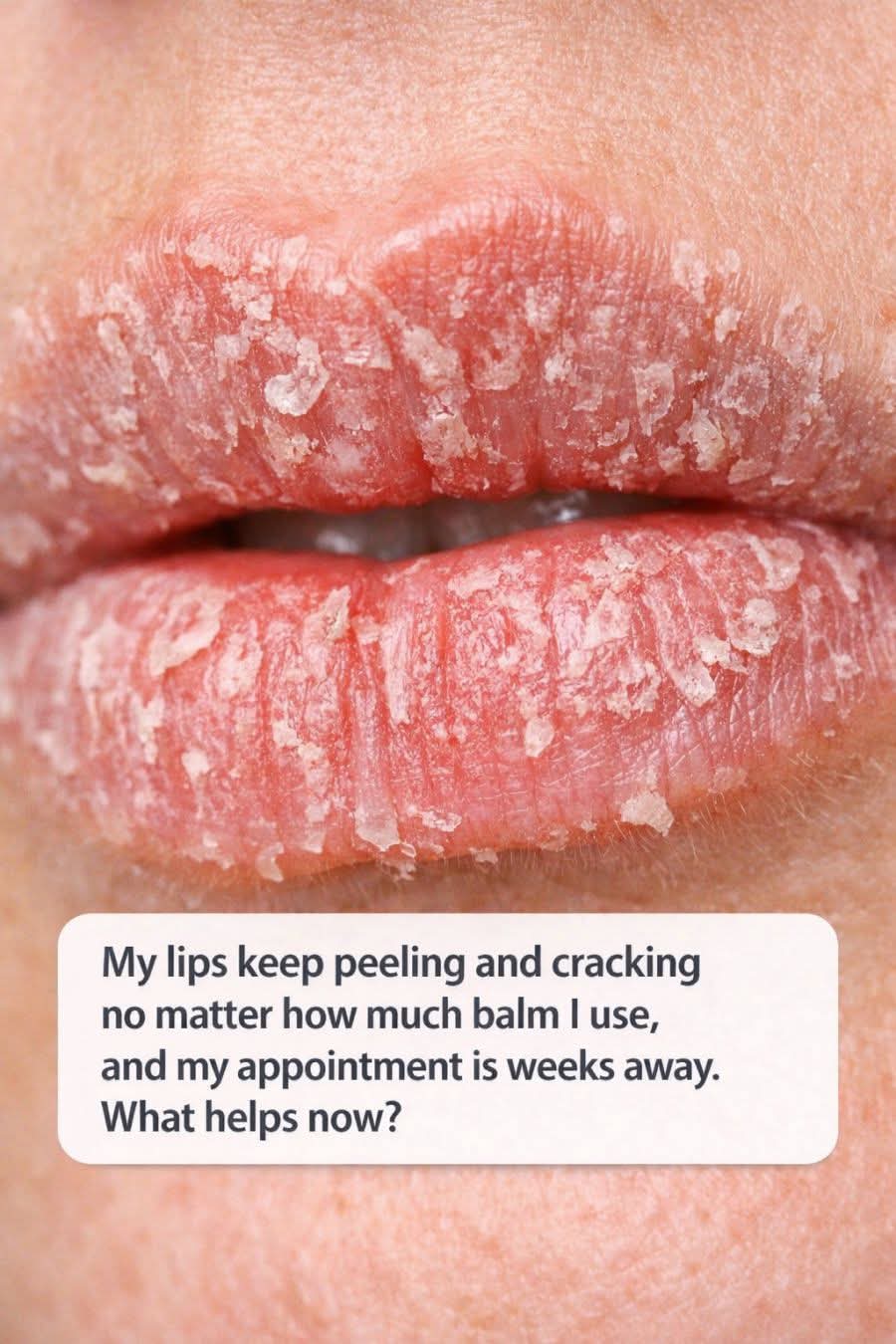
Chapped lips are an all-too-common issue, especially during dry, cold weather. Despite being a minor inconvenience for some, persistent peeling and cracking can be uncomfortable and even painful for others. If you’re finding that no amount of lip balm seems to help, you’re not alone. Many people struggle with severe lips issues that aren’t easily remedied with over-the-counter solutions.
While you wait for your dermatology appointment, which might be weeks away, there are several strategies you can employ to alleviate your symptoms. Understanding the root causes and experimenting with different treatments can help you find relief. This guide will explore the steps you can take to protect and heal your lips in the meantime.
1. First, Make Sure It’s Really Just Chapped LipsBefore assuming that your lips are merely chapped, it’s important to rule out other possibilities. Chapped lips, also known as cheilitis, are typically characterized by dryness, flaking, and sometimes small cracks. However, if your symptoms include swelling, severe pain, or blisters, it might indicate an allergic reaction, infection, or even a more serious condition.Consider factors such as recent changes in your diet, new skincare products, or environmental changes that might be affecting your lips. If your symptoms include persistent redness or a rash around the mouth, consult with a healthcare professional, as it could indicate perioral dermatitis or angular cheilitis.2. Strip Back Your Routine:
2. Strip Back Your Routine: Stop What Might Be Making It WorseAdvertisementSometimes, well-intentioned efforts to moisturize can actually make things worse. Ingredients like fragrances, dyes, or even certain essential oils can be irritating. If you’re using a balm with these components, try switching to a simpler formula.Additionally, avoid licking your lips, as saliva can further dry them out. Opt for a minimalist approach with a gentle, fragrance-free lip balm and avoid using any harsh cleansers or exfoliants on your face that might come into contact with your lips.
3. Choose a Balm That Actually Heals, Not Just Feels NiceNot all lip balms are created equal. While some feel great upon application, they don’t always provide the healing benefits that damaged lips need. Look for balms that contain ingredients known for their healing properties, such as beeswax, shea butter, or ceramides. These ingredients help to repair the skin barrier and prevent further moisture .
Products with hydrating agents like hyaluronic acid or glycerin can draw moisture into the skin, while those with sun protection can prevent further damage from UV rays. Aim for a balm with an SPF of at least 15 if you’re spending time outdoors.
4. Lock In Moisture With Occlusives: Petrolatum, Lanolin, and More
Occlusives work by forming a barrier on the skin that prevents water loss. Common occlusive agents include petrolatum, lanolin, and mineral oil. These ingredients are particularly effective for severely dry lips, as they seal in hydration and protect the skin from environmental aggressors.Apply an occlusive balm before bed, as it can work overnight to repair and restore your lips. Use a small amount, enough to cover your lips in a thin layer, and avoid spreading it beyond the lip line to prevent clogged pores around the mouth.
5. Gentle At-Home Exfoliation: When (And How) to Remove Flakes Safely
If your lips are covered in flakes, gentle exfoliation can help, but it’s important to proceed with caution. Over-exfoliating can worsen the problem, so limit this to no more than once a week.Use a soft toothbrush or a homemade sugar scrub (mixing one teaspoon of sugar with a teaspoon of honey) to gently buff away dead skin. Follow up immediately with a nourishing balm to lock in moisture. Avoid using harsh scrubs or tools, as they can tear the delicate skin of the lips.6. Hydrate From the Inside: Fluids, Humidity, and Nutrition Checks
Dehydration is a common cause of dry lips, so ensure you’re drinking enough water throughout the day. Aim for at least 8 cups (64 ounces) of water daily, more if you’re active or live in a dry climate.Consider using a humidifier in your home, especially in the bedroom, to add moisture to the air. Additionally, a balanced diet rich in vitamins and minerals, particularly those that support skin health like vitamins A, C, and E, can improve your skin’s ability to retain moisture.7. Break the Lick–Peel–Pick Cycle That Keeps Lips Raw
This cycle is a common reaction to dry lips, but it exacerbates the problem. Licking your lips provides temporary moisture, but the evaporation of saliva leaves lips drier than before.Try to be conscious of these habits and replace them with healthier alternatives, such as applying lip balm whenever you feel the urge to lick or pick. Keeping a balm on hand at all times can help you break this cycle.
8. Soothe Angry, Inflamed Lips With Short-Term Medicinal HelpersFor inflamed lips, short-term use of over-the-counter hydrocortisone cream can reduce redness and swelling. Apply a very thin layer to the affected area, but limit use to a few days to avoid thinning the skin.
In cases of severe inflammation or pain, a topical anesthetic like benzocaine can provide temporary relief. Always follow package instructions and consult with a healthcare provider if you’re unsure about their use.
9. When Peeling Isn’t Just Dryness: Signs of Cheilitis and InfectionIf your lips are persistently peeling and cracking, it could be a sign of cheilitis, a condition that may require medical treatment. Symptoms include deep cracks, bleeding, and a rash around the mouth.If you notice any signs of infection, such as pus, fever, or increased pain, seek medical attention promptly. Infections require prompt treatment to prevent complications.
10. What to Do While You Wait for Your Dermatology Appointment
While you wait for your appointment, document your symptoms and any products you’re using. This information will be valuable for your dermatologist to assess your condition.Continue to follow the steps outlined above to manage your symptoms and prevent further damage. Keep a diary of what seems to help or worsen your condition, which can help guide treatment choices.
11. How to Protect Your Lips Long-Term So This Doesn’t Keep HappeningTo prevent future episodes, establish a regular lip care routine. This includes using a suitable lip balm daily, protecting your lips from the sun, and avoiding irritants.Stay hydrated and maintain a balanced diet to support skin health. Be mindful of any changes in your environment or products that seem to trigger dryness. With consistent care and attention, you can keep your lips healthy and prevent chronic chapping.
