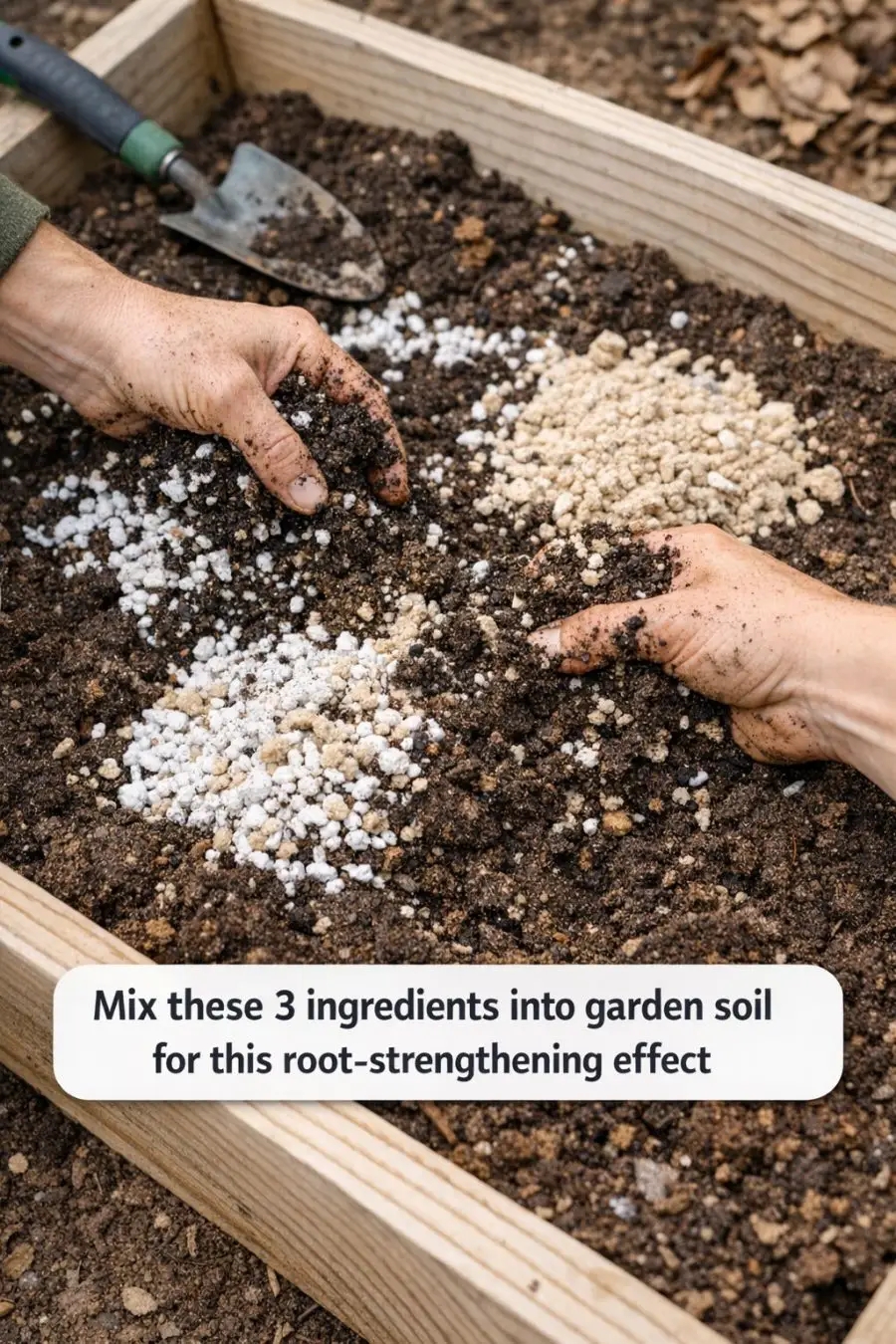
Gardening is an age-old practice that not only beautifies our surroundings but also has a profound impact on our well-being. However, to ensure that your garden thrives and produces bountiful yields, one must start from the ground up – literally. The foundation of any successful garden lies beneath the surface in the root systems of the plants. Strong, healthy roots are essential for the optimal growth of plants, and achieving them requires more than just sunlight and water.To empower your plants with robust root systems, you need to enhance the soil they grow in. While there are many soil amendments available, focusing on three specific ingredients can yield impressive results. This article explores the benefits of mixing compost, bone meal, and mycorrhizal fungi into garden soil and how these elements work together to create a root-strengthening effect that can transform your garden.
1. Why Strong Roots Are the Secret to a Thriving GardenRoots are the lifeline of plants, responsible for absorbing water, nutrients, and anchoring them into the soil. A strong root system translates directly into healthier plants that are more resistant to environmental stresses such as drought, pests, and diseases. Without a robust root system, plants struggle to access the essential nutrients and water needed for growth.Strong roots also improve the plant’s ability to take up available nutrients in the soil, enhancing their growth and productivity. For instance, tomatoes with well-developed roots can yield up to 30% more fruit compared to those with weaker root systems. This is why gardeners and farmers alike prioritize root health to maximize their harvests.
2. The Science Behind Amending Soil With Just Three IngredientsAmending soil is a science that involves adding organic or inorganic materials to improve its physical or chemical properties. By incorporating compost, bone meal, and mycorrhizal fungi into your soil, you’re not just adding nutrients but creating a conducive environment for roots to thrive.These three ingredients work synergistically to enhance soil structure, increase nutrient availability, and facilitate better water retention. Compost provides the organic matter and microorganisms that enrich the soil, while bone meal offers a slow-release source of phosphorus. Mycorrhizal fungi form symbiotic relationships with plant roots, extending their reach and improving nutrient uptake.
3. Ingredient #1: Compost – The Foundation of Root HealthCompost is decomposed organic material that is rich in nutrients and beneficial microorganisms. It is considered the cornerstone of healthy soil because it improves soil structure, increases nutrient content, and promotes beneficial microbial activity.When mixed into the soil, compost helps improve aeration and drainage, creating an ideal environment for roots to grow and expand. A general recommendation is to incorporate 2 to 3 inches of compost into the top 6 to 8 inches of soil. This not only enhances root development but also boosts the soil’s ability to retain moisture, reducing the need for frequent watering.
4. How Compost Transforms Soil Structure and Feeds RootsAdvertisementCompost improves soil structure by binding soil particles together, forming aggregates. These aggregates create pore spaces that allow air and water to move freely through the soil, essential for root respiration and growth.Additionally, compost is a rich source of macro and micronutrients, such as nitrogen, phosphorus, and potassium, which are critical for plant growth. The organic matter in compost also serves as food for soil microorganisms, which in turn release nutrients in forms that plants can easily absorb. This continuous nutrient cycling supports the development of strong root systems.
5. Ingredient #2: Bone Meal – A Slow-Release Phosphorus PowerhouseBone meal is a finely ground powder made from animal bones, primarily used as a fertilizer rich in phosphorus and calcium. Phosphorus is a critical nutrient for plants, playing a key role in energy transfer, photosynthesis, and nutrient movement within the plant.Bone meal provides a slow-release form of phosphorus, which is less likely to leach away with water compared to synthetic fertilizers. For optimal results, it’s recommended to mix bone meal into the soil at a rate of 10 pounds per 100 square feet. This ensures a steady supply of phosphorus, promoting strong root development and vigorous plant growth.
6. How Bone Meal Stimulates Deeper, Denser Root SystemsAdvertisementPhosphorus from bone meal is essential for root growth and development. It encourages the formation of new roots and strengthens existing ones, enabling plants to explore a larger volume of soil for nutrients and water.By promoting deeper and denser root systems, bone meal helps plants become more resilient to stress conditions. For example, during a drought, plants with robust root systems can access deeper soil layers, where moisture levels are higher, thus maintaining health and productivity.
7. Ingredient #3: Mycorrhizal Fungi – The Hidden Root Network BoosterMycorrhizal fungi are naturally occurring soil fungi that form symbiotic relationships with plant roots. They extend the root system by forming a vast network of hyphae that increase the surface area for water and nutrient absorption.These fungi are particularly effective in improving the uptake of phosphorus, nitrogen, and other micronutrients. Introducing mycorrhizal fungi into your soil can enhance root efficiency and plant resilience. A small amount, typically 1 tablespoon per plant or 1 pound per 100 square feet, is sufficient to inoculate the soil and establish a beneficial fungal network.
8. How Mycorrhizae Supercharge Nutrient and Water UptakeAdvertisementThe hyphal networks created by mycorrhizal fungi act as extensions of the root system, penetrating farther into the soil than the roots themselves. This allows plants to access nutrients and water beyond their normal reach.Mycorrhizae also improve the plant’s ability to absorb nutrients from low-fertility soils, helping them thrive in less-than-ideal conditions. Studies have shown that plants with mycorrhizal associations can have up to a 30% increase in nutrient uptake, leading to healthier, more productive plants.
9. The Exact Ratios: How Much of Each Ingredient to Mix Into Your SoilTo create the perfect blend for root-boosting soil, use the following ratios: mix 2 to 3 inches of compost into the top 6 to 8 inches of soil, apply bone meal at a rate of 10 pounds per 100 square feet, and inoculate with mycorrhizal fungi at 1 tablespoon per plant or 1 pound per 100 square feet.AdvertisementThese ratios provide a balanced mix of nutrients and beneficial organisms that work together to enhance root growth and overall plant health. Adjust the amounts based on specific plant needs and soil conditions for optimal results.
10. Step-By-Step: Mixing the Three Ingredients Into Beds, Pots, and Raised PlantersBegin by preparing your garden bed, pot, or planter by loosening the existing soil. Spread a 2 to 3-inch layer of compost over the surface and work it into the top 6 to 8 inches of soil using a garden fork or tiller.Next, evenly distribute bone meal over the area at the recommended rate and incorporate it into the soil. Finally, apply mycorrhizal fungi by sprinkling it near the root zone of each plant or mixing it with the planting soil. Water thoroughly to activate the fungi and settle the soil around the roots.
11. Common Mistakes to Avoid When Using These Root-Boosting IngredientsOne common mistake is over-fertilization, particularly with bone meal, which can lead to nutrient imbalances and harm plant growth. Stick to recommended application rates to avoid this issue.Another mistake is not thoroughly mixing the ingredients into the soil, which can result in uneven distribution and reduced effectiveness. Ensure all amendments are well-incorporated for optimal results. Additionally, avoid disturbing the soil too much after applying mycorrhizal fungi, as this can damage the delicate fungal networks.
