Redness and soreness around the nostrils can be a persistent and uncomfortable issue for many. Whether it’s due to frequent nose blowing during a cold or a more chronic condition, finding relief can be a top priority. While waiting for a professional medical evaluation, there are several self-care strategies that can help alleviate symptoms and prevent further irritation.Understanding the underlying causes of the redness is essential in addressing the problem effectively. In this article, we will explore potential causes, soothing treatments, and preventive measures you can take at home to care for sensitive skin around the nostrils.1. Is It Just Irritation Or Something More Serious?The skin around the nostrils is particularly sensitive and can become irritated due to frequent friction from tissues, exposure to harsh weather, or allergic reactions. However, in some cases, persistent redness and soreness might indicate a more serious condition such as eczema, psoriasis, or a bacterial infection.If the irritation is accompanied by severe pain, swelling, or pus, it may be a sign of an infection that requires prompt medical attention. Similarly, if you notice that the redness is not improving with basic care or is spreading, it could be indicative of a more serious dermatological issue that warrants a professional evaluation.2. Gentle Cleansing Habits That Don’t Sting Or StripKeeping the area clean is crucial, but harsh cleansers can exacerbate the problem. Opt for a gentle, fragrance-free cleanser that is designed for sensitive skin. Use lukewarm water rather than hot, as high temperatures can strip the skin of its natural oils.When washing your face, use your fingertips to apply the cleanser in gentle circular motions, avoiding scrubbing the sensitive area around the nostrils. Rinse thoroughly and pat dry with a soft towel, being careful not to rub the skin.3. Moisturizers And Barrier Creams That Actually HelpMaintaining moisture is key to healing sore skin. Look for a thick, emollient moisturizer that contains ingredients like ceramides, hyaluronic acid, or glycerin to lock in hydration. Apply the moisturizer immediately after cleansing while the skin is still slightly damp.Barrier creams containing zinc oxide or dimethicone can also provide a protective layer over the skin, preventing further irritation from friction or environmental factors. Apply these creams as needed, especially before exposure to cold weather or when engaging in activities that might irritate the skin.4. Smart Use Of Petroleum Jelly Around Sore NostrilsPetroleum jelly is a simple yet effective way to protect and soothe irritated skin. It forms a barrier that can prevent moisture loss and shield the skin from irritants. Apply a thin layer of petroleum jelly to the affected area several times a day, particularly before going to bed to allow it to work overnight.While petroleum jelly is generally safe and effective, it’s important to use it sparingly and avoid excessive application that might clog pores or trap dirt.5. Soothing Ingredients To Look For (And What To Avoid)When selecting products for irritated skin, look for soothing ingredients such as aloe vera, chamomile, and calendula, which have anti-inflammatory properties that can calm redness. Oatmeal-based products are also beneficial for their soothing and moisturizing effects.Conversely, avoid products with alcohol, fragrances, or harsh exfoliants that can further irritate the skin. Even natural ingredients like essential oils can be irritating, so it’s best to stick to products specifically formulated for sensitive skin.6. Taming The Trigger: Blowing, Wiping, Masks, And AllergiesFrequent nose blowing and wiping can significantly contribute to nostril irritation. Use soft, lotion-infused tissues to minimize friction, and dab rather than rub the skin. If you’re wearing a mask, choose one made of soft, breathable material and ensure it fits well without rubbing against your nose.Allergies can also cause nasal irritation. Consider using a humidifier to maintain moisture in the air, and consult with a healthcare professional about using antihistamines or nasal sprays to manage allergy symptoms more effectively.7. Home Remedies That Are Safe Versus Ones To SkipCool compresses can provide soothing relief for hot, inflamed skin. Use a soft cloth dipped in cold water and apply it to the affected area for a few minutes.However, some home remedies are best avoided. For example, applying undiluted vinegar or lemon juice can irritate the skin further due to their acidic nature. Similarly, avoid using toothpaste or baking soda, which can be too harsh for sensitive facial skin.8. When A Pharmacy Cream Might Calm Irritant DermatitisOver-the-counter hydrocortisone cream can be effective in reducing inflammation and redness associated with irritant dermatitis. Apply a small amount of the cream to the affected area once or twice daily for a short duration, usually no more than a week, to avoid potential side effects.It’s important to read and follow the instructions provided with the cream, and consult a healthcare professional if you have any concerns or if symptoms persist.9. Red Flags: Signs You Should Not Wait For A CheckupWhile mild irritation can often be managed at home, certain symptoms should prompt immediate medical attention. These include severe pain, rapid spreading of redness, discharge or pus, and any accompanying fever.If the affected area shows no signs of improvement after a week of at-home care, or if the condition worsens, it is advisable to seek a professional evaluation to rule out more serious conditions.10. Small Daily Habits That Help Skin Heal FasterIncorporate habits that support skin healing, such as staying hydrated and eating a balanced diet rich in vitamins A, C, and E, which are essential for skin health. Avoid picking or scratching the irritated area to prevent further damage.Protect your skin from environmental stressors by wearing sunscreen and using a humidifier during dry seasons to keep your skin moisturized.11. How To Protect The Area While You Wait To See A DoctorWhile waiting for a medical appointment, continue with gentle skincare routines and protective barriers like petroleum jelly. Avoid potential irritants by using hypoallergenic products and keeping the area clean and moisturized.Minimize exposure to extreme temperatures and environmental pollutants, and consider wearing a scarf or soft mask in cold or windy conditions to protect the sensitive skin around your nostrils.
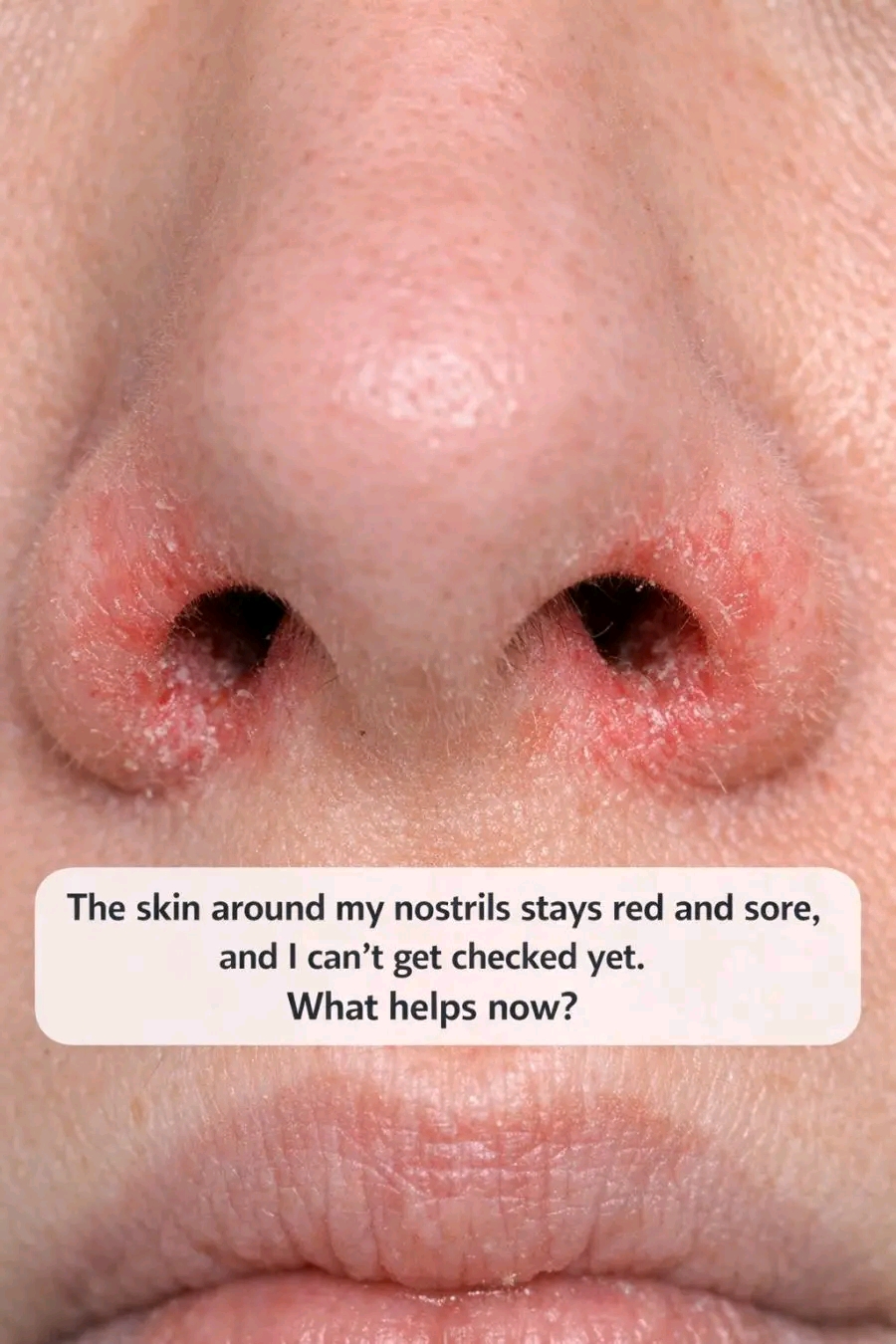
The skin around my nostrils stays red and sore, and I can’t get checked yet. What helps now?
ADVERTISEMENT
