The condition of our nails can often be a window into our overall health. When nails start to grow uneven, wavy, or rough, it can be both a cosmetic concern and a sign of underlying issues. While minor changes in nail texture are common and often harmless, sudden or dramatic changes may require attention.Understanding why nails change in texture and appearance can help you address the root cause and improve your nail health. This article will explore various reasons why your nails might be growing unevenly and provide insights into potential solutions.1. How Healthy Nails Normally Grow — And What “Wavy” Really MeansHealthy nails typically grow at a rate of about 3 millimeters per month, with a smooth texture and a slightly pink hue due to the underlying blood vessels. Nails are composed of keratin, a tough protein also found in hair and skin. The nail matrix, located under the cuticle, is responsible for producing new cells that push older cells out to form the nail plate.Wavy nails, characterized by ridges or grooves, can appear either vertically, running from the cuticle to the tip, or horizontally across the nail. While vertical ridges are often harmless and can be a normal part of aging, horizontal ridges (known as Beau’s lines) can indicate disruptions in nail growth and may warrant further investigation.2. Aging and Hormonal Shifts: Why Nail Texture Changes Later in LifeAs we age, changes in hormone levels and overall cellular function can impact nail growth. The production of keratin may slow down, and the nail matrix may become less efficient, leading to thinner, more brittle nails or the development of vertical ridges. Hormonal changes, such as those experienced during menopause, can further exacerbate these effects.In addition to hormonal shifts, reduced circulation and nutrient absorption in older adults can contribute to nail changes. Ensuring adequate nutrition and maintaining good circulation can help mitigate some of these age-related changes.3. Damage to the Nail Matrix: The Hidden Root of Ridges and WavesThe nail matrix is the growth center for nails, and any damage to this area can result in distorted nail growth. Physical trauma, such as a blow to the nail or excessive pressure from tight shoes, can injure the matrix and lead to the formation of ridges or waves as the nail grows out.Chemical exposure from harsh nail products or frequent manicures can also damage the nail matrix. Protecting the nails from trauma and limiting exposure to damaging chemicals can help maintain healthy nail growth.4. Everyday Trauma: Manicures, Gels, and Habits That Rough Up NailsFrequent manicures, especially those involving gel or acrylic nails, can weaken the nail plate and cause roughness or uneven growth. The removal process for these treatments often involves soaking in acetone and scraping, which can thin and damage the nails.Additionally, habits such as nail-biting or using nails as tools can contribute to physical trauma and exacerbate uneven nail growth. Adopting gentler nail care practices and avoiding harmful habits can promote healthier nails.5. Nutrient Gaps and Diet Changes That Show Up in Your Nail PlateNutritional deficiencies, particularly of vitamins and minerals essential for nail health, can lead to changes in nail texture. Biotin, zinc, and iron are crucial for the production of strong, healthy nails. A lack of these nutrients can result in brittle, wavy, or uneven nails.Dietary changes or restrictions, such as those associated with weight loss diets or vegetarianism, can also impact nutrient intake and nail health. Ensuring a balanced diet rich in essential nutrients can help improve nail texture.6. New Medications, Illness, or Stress Triggering Sudden Nail ChangesCertain medications, such as chemotherapy drugs or retinoids, can affect nail growth and lead to changes in texture. Similarly, illness or significant stress can disrupt normal nail production, resulting in temporary changes like Beau’s lines.It’s important to consider recent changes in health status or medication when investigating sudden nail changes. Consulting with a healthcare professional can provide clarity and guidance on addressing these issues.7. Skin Conditions Like Eczema and Psoriasis That Distort Nail GrowthSkin conditions such as eczema and psoriasis can extend to the nails, causing pitting, ridges, and uneven growth. In psoriasis, rapid skin cell turnover can affect the nail bed and matrix, leading to characteristic changes in the nail’s appearance.Treatment for these conditions often involves managing the underlying skin disorder to improve nail health. Topical or systemic medications may be prescribed to control the symptoms and prevent further nail damage.8. Fungal Infections and Other Infections That Make Nails Thick and UnevenFungal infections, such as onychomycosis, can cause nails to become thickened, discolored, and uneven. These infections are more common in toenails and can spread if not treated promptly.Bacterial infections can also affect the nails, particularly if there is an injury or break in the skin around the nail. Maintaining good hygiene and seeking treatment at the first sign of infection can help prevent permanent nail damage.9. When Wavy Nails Signal Systemic Disease or Circulation ProblemsIn some cases, wavy or uneven nails can be a sign of systemic diseases, such as cardiovascular or autoimmune disorders. Poor circulation can affect nail growth and lead to changes in texture and color.If nail changes are accompanied by other symptoms, such as fatigue, joint pain, or shortness of breath, it may be indicative of an underlying health issue that requires medical evaluation.10. At-Home Care: Safe Ways to Smooth Rough Nails Without Making It WorseTo care for rough nails at home, begin by keeping them clean and dry to prevent infections. Use a gentle file to smooth any rough edges, but avoid excessive filing, which can thin the nail plate.Moisturizing the nails and cuticles with oils or creams can help maintain flexibility and prevent brittleness. Consider using a nail strengthener formulated with keratin or biotin to support healthy growth.11. Red-Flag Nail Changes That Mean You Should See a Dermatologist NowCertain nail changes should prompt a visit to a dermatologist or healthcare provider. These include sudden changes in color (such as black or brown streaks), severe pain or swelling, and nails that separate from the nail bed.Persistent or unexplained changes in nail texture, particularly if accompanied by other systemic symptoms, should also be evaluated to rule out serious underlying conditions.
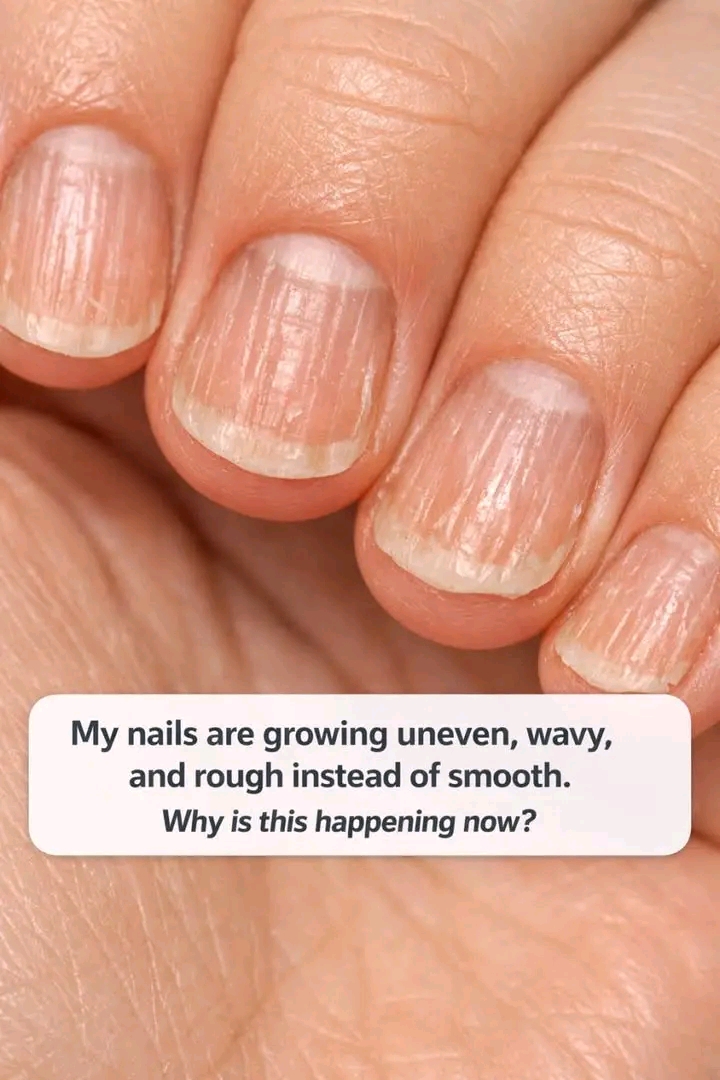
My nails are growing uneven, wavy, and rough instead of smooth. Why is this happening now?
ADVERTISEMENT
