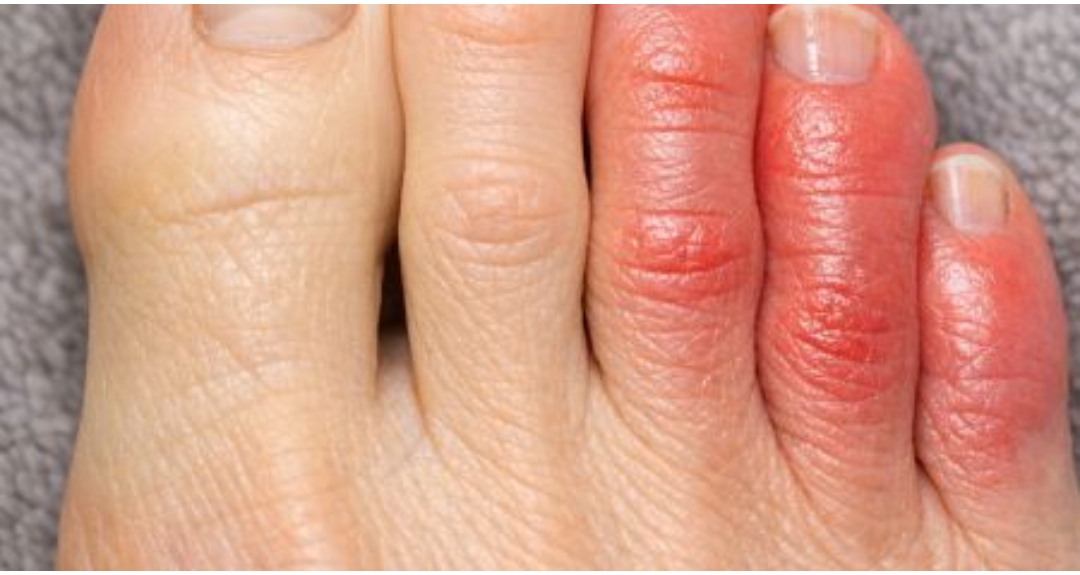
As the cold months roll in, many people start to notice peculiar changes in their extremities, particularly their toes. These changes can be alarming: toes turning pale, then red and painful once they warm up indoors. What causes this seemingly strange reaction, and why does it predominantly occur during the colder months?Understanding the underlying physiological processes can help demystify this phenomenon. In this article, we will explore the reasons behind these color changes and pain, delve into the most common conditions associated with this symptom, and discuss both preventive measures and treatment options.
1. What’s Happening When Toes Turn White, Then Red And Sore?The color change in your toes from white to red is a result of a process called vasospasm. During exposure to cold, the small blood vessels in your extremities constrict to preserve body heat. This vasoconstriction reduces blood flow to the skin, causing it to turn pale or even white. Once you re-enter a warm environment, these blood vessels suddenly dilate, leading to a rush of blood back into the area. This rapid return of blood flow can cause redness, swelling, and pain.These changes in color are part of your body’s natural response to cold temperatures. However, when this response becomes exaggerated or painful, it may indicate an underlying condition, such as Raynaud’s phenomenon.
2. How Cold Temperatures Trigger Sudden Color Changes In Your ToesCold temperatures cause your body to initiate thermoregulation to maintain core body temperature. This involves diverting blood away from the skin and extremities to reduce heat loss, leading to constriction of peripheral blood vessels. The result is reduced blood flow to these areas, causing them to appear pale.Upon warming, the blood vessels rapidly dilate, and blood flow returns, which can result in redness and a warm sensation. The rapid change in blood flow is what causes the characteristic color change and discomfort.
3. Raynaud’s Phenomenon: The Most Common Culprit Behind Winter Toe FlaresRaynaud’s phenomenon is a common condition characterized by episodic attacks of color changes in the extremities, often triggered by cold or stress. During an attack, the affected areas, usually fingers and toes, initially turn white due to lack of blood flow, then blue as the tissues use up the oxygen, and finally red as blood flow returns.There are two types of Raynaud’s: primary and secondary. Primary Raynaud’s is more common and less severe, while secondary Raynaud’s is associated with other diseases, such as scleroderma or lupus, and can be more serious.
