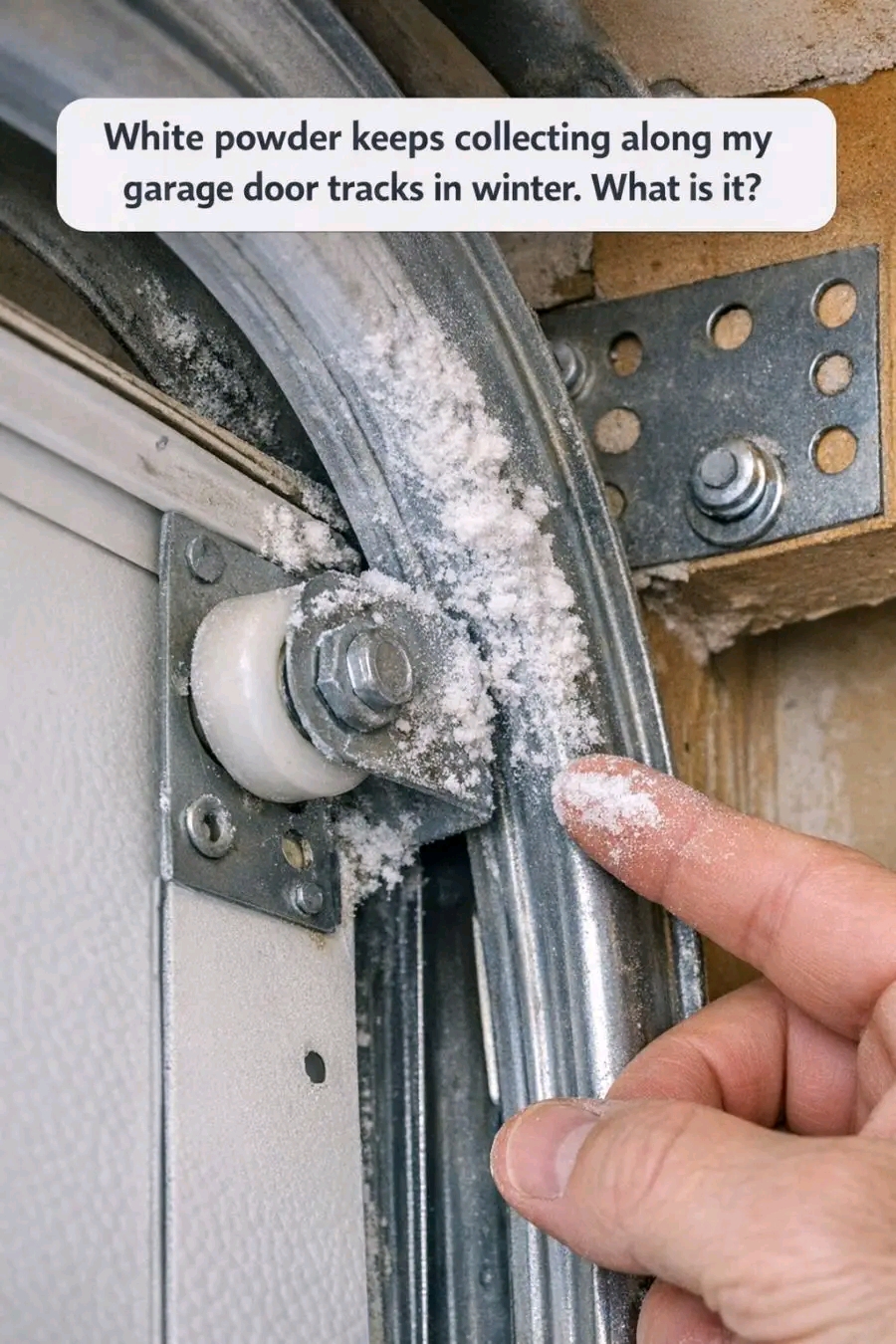
As winter settles in, homeowners often notice peculiar changes around their property. One such mystery is the accumulation of white powder along garage door tracks. While the sight may cause concern, understanding the source of this residue can help alleviate worries and guide appropriate action.In this article, we will explore the potential causes of this white powder, focusing on the most likely culprit and offering solutions to manage it. From road salt to concrete efflorescence, we’ll cover the possible origins, health implications, and effective cleaning and prevention methods.
1. The Most Likely Culprit: Road Salt Dust From Winter Streets
Road salt is a common substance used to de-ice roads during the winter months. This salt, which is primarily composed of sodium chloride, can become airborne in the form of dust. This phenomenon occurs when vehicles disturb the salt on the streets, creating fine particles that travel through the air. These particles can be as small as 2.5 micrometers, easily entering garages through small openings or when the door is opened.
2. How Road Salt Ends Up Inside Your Garage
The process of road salt entering your garage is surprisingly simple. Each time you drive your vehicle into the garage, you bring with it traces of road salt on the tires and undercarriage. As the vehicle warms up, the salt can evaporate into the air, settling along the cooler surfaces such as garage door tracks. Additionally, wind can carry salt dust through any gaps around the garage door, further contributing to the buildup.
3. Why the Powder Collects Specifically Along Garage Door Tracks
Garage door tracks are typically made of metal, which is a cooler surface compared to the rest of the garage. As a result, any airborne particles, including salt dust, are more likely to settle and accumulate there. The tracks’ vertical and horizontal alignment also provides a natural shelf for these particles to rest, making them more noticeable in these areas.
