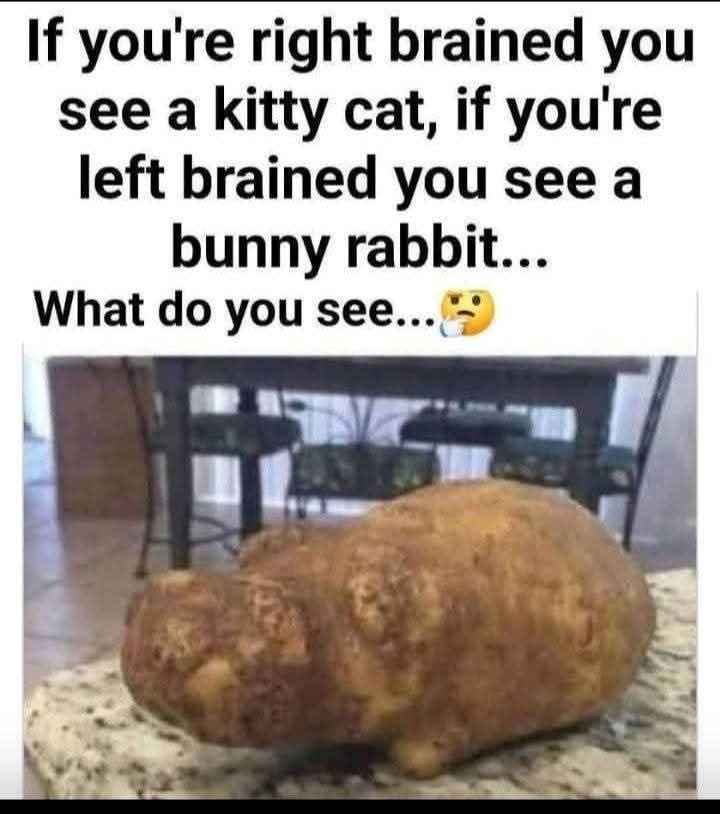
Looks Like a Hippo, But It’s Not: The Creatures That Fool Our Eyes
Every so often, the internet collectively stops scrolling.A blurry photo appears.
A chunky body half-submerged in water.Small ears. Wide mouth. Serious hippo energy.And then comes the caption:
“Looks like a hippo, but it’s not.”
Cue confusion. Cue debates. Cue thousands of comments arguing about animal identities with surprising passion.
But this phrase isn’t just clickbait. It taps into something deeply human: our instinct to categorize the world quickly — and our delight when those instincts are wrong.So what does look like a hippo but isn’t?
Why are we so easily fooled?
And what does this say about how we see animals, nature, and even the internet itself?Let’s dive in.Why Hippos Are So Easy to “See” EverywhereBefore we talk about the imposters, we need to talk about the original.Hippos have one of the most distinctive silhouettes in the animal kingdom.They’re:
Barrel-shapedLow to the groundSmooth-skinnedSemi-aquatic
Equipped with a disproportionately large mouth
When something shares even half of these traits, our brains jump to one conclusion: hippo.This is a classic example of pattern recognition — the same mental shortcut that helps us recognize faces in clouds or animals in shadows.Our brains don’t analyze every detail. They grab the closest match and move on.
And hippos are such a strong visual archetype that they’ve become a default label.The Most Famous “Looks Like a Hippo, But It’s Not” AnimalsLet’s meet the usual suspects — the creatures most often mistaken for hippos.
1. The Tapir: The Internet’s Favorite Fake HippoIf there were an official mascot for “looks like a hippo, but it’s not,” it would be the tapir.Tapirs are large, round-bodied mammals with:Short legsThick skinA bulky frame
A semi-aquatic lifestyle
From certain angles — especially when they’re in water — they look shockingly hippo-like.Why Tapirs Fool UsThey’re about the same shape as hippos, just smaller
Their ears resemble hippo earsThey often appear wet and shiny
Photos rarely show scale
But here’s the twist: tapirs are more closely related to horses and rhinoceroses than hippos.That little flexible snout? That’s not a hippo feature at all — it’s a prehensile nose used for grabbing leaves.Once you see it, you can’t unsee it.
2. The Pygmy Hippopotamus (Technically a Hippo… But Not That Hippo)This one feels like cheating — but it causes endless confusion.The pygmy hippopotamus looks like:A mini hippoA baby hippoA “budget” hippo
People often see photos and assume it’s either:A babyA fakeA different animal entirelyIn reality, it is a hippo — just not the common river hippo most people know.Pygmy hippos:Live mostly in forests, not riversAre far more solitaryAre significantly smaller
Are critically endangered
So while it looks like a hippo, many people insist it’s not — because it doesn’t match the mental image they have.This reveals something important: recognition isn’t about facts — it’s about expectations.
3. The Capybara: When Vibes Override AnatomyCapybaras don’t look like hippos at first glance… until they do.From the side, especially in water, a capybara can appear:RoundSmoothRelaxedMildly judgmentalAdd bad lighting or a distant camera, and suddenly the comments section explodes.“Is that a hippo??”Capybaras are actually:The world’s largest rodentsNative to South AmericaExtremely socialInfamous for being chillThey don’t have the mass or the mouth of a hippo, but their energy sometimes convinces people otherwise.This is a perfect example of vibe-based identification.
4. The Wombat: The Land Hippo IllusionWombats are short, stocky, and solid — like nature compressed a bear and a potato into one animal.From certain angles, especially low to the ground, wombats:Look incredibly denseHave blunt snoutsMove with hippo-like determinationBut wombats are marsupials, native to Australia, and spend much of their lives digging complex burrow systems.No water. No massive tusks. No aquatic behavior.Still, show someone a blurry wombat photo and watch the hippo accusations fly.
5. The Behemoth That Isn’t Real (But Everyone Thinks Is)Sometimes, “looks like a hippo, but it’s not” applies to fake animals.AI-generated images.Photoshopped creatures.Misidentified fossils.These images often circulate with captions like:“New species discovered”“Prehistoric hippo found alive”“Unknown animal spotted”They trigger immediate fascination because they sit just close enough to reality.Big body? Check.Hippo face? Almost.Unfamiliar details? Plenty.Our brains don’t want to dismiss them — they want to believe.Why Our Brains Keep Getting It WrongThis phenomenon isn’t about intelligence. It’s about efficiency.The Brain Loves ShortcutsYour brain evolved to make fast decisions:Is this dangerous?
Is this food?Is this familiar?It doesn’t pause to consult a zoology textbook.When it sees:A large, smooth, semi-aquatic mammal…it pulls the closest known category: hippo.That’s not failure. That’s survival logic.The Internet Makes It Worse (And Better)Social media amplifies this effect in two ways.
1. Bad Angles and Low ContextMost viral animal photos:Lack scaleAre croppedAre taken from odd anglesAre shared without explanationThis strips away context — which our brains desperately need.2. Comment Sections Reinforce MistakesOnce a few people say “hippo,” others follow.This is called social confirmation bias — we trust group consensus, even when it’s wrong.But the internet also corrects itself.
Eventually:
An expert shows upSomeone posts a sourceA wildlife biologist enters the chatAnd suddenly everyone learns something new.The Emotional Reason We Love These MomentsThere’s something joyful about being wrong in this way.Discovering that something “hippo-like” is actually:A tapir
A capybaraA wombat
A rare species…feels like unlocking a secret.It reminds us that the world is bigger and weirder than our assumptions.And in an era of constant certainty and hot takes, pleasant surprise is refreshing.When “Looks Like a Hippo” Becomes Dangerous
Misidentification isn’t always harmless.In wildlife conservation, confusing animals can:Lead to misinformation
Affect public support
Overshadow endangered speciesFor example:Tapirs are endangered, but far less famous than hippos
Capybaras are often treated like memes rather than wildlife
When animals are reduced to “weird hippo cousins,” their real ecological importance can get lost.How to Tell If It’s Actually a HippoIf you ever want to avoid being fooled again, here’s a quick checklist.
Real Hippos Have:Massive mouths that open almost vertically
Thick, greyish skin with little visible fur
Eyes, ears, and nostrils aligned on top of the headAn unmistakable sense of menaceIf the animal looks:
Too small
Too furryToo chillToo flexible in the snout…it’s probably not a hippo.The Bigger Lesson: Seeing Beyond Labels“Looks like a hippo, but it’s not” is more than an animal ID problem.It’s a reminder that:Appearances deceive
Categories simplify reality
Curiosity beats certainty
The world doesn’t owe us instant clarity.Sometimes, the joy is in asking:“What is this, really?”
Final Thoughts: Celebrate the Not-HipposHippos are incredible — but so are the animals mistaken for them.Tapirs shaping forests.Capybaras anchoring ecosystems.Wombats engineering soil.They deserve recognition on their own terms — not just as hippo lookalikes.So next time you see a mysterious, chunky creature in the water and feel that familiar thought forming…Pause.Zoom in.And enjoy the moment when the answer surprises you.Because sometimes, the best discoveries start with being wrong.when they’re in water — they look shockingly hippo-like.Why Tapirs Fool UsThey’re about the same shape as hippos, just smallerTheir ears resemble hippo earsThey often appear wet and shiny
Photos rarely show scaleBut here’s the twist: tapirs are more closely related to horses and rhinoceroses than hippos.That little flexible snout? That’s not a hippo feature at all — it’s a prehensile nose used for grabbing leaves.Once you see it, you can’t unsee it.
2. The Pygmy Hippopotamus (Technically a Hippo… But Not That Hippo)This one feels like cheating — but it causes endless confusion.The pygmy hippopotamus looks like:
A mini hippoA baby hippoA “budget” hippoPeople often see photos and assume it’s either:A babyA fakeA different animal entirelyIn reality, it is a hippo — just not the common river hippo most people know.Pygmy hippos:Live mostly in forests, not riversAre far more solitaryAre significantly smallerAre critically endangeredSo while it looks like a hippo, many people insist it’s not — because it doesn’t match the mental image they have.This reveals something important: recognition isn’t about facts — it’s about expectations.
3. The Capybara: When Vibes Override AnatomyCapybaras don’t look like hippos at first glance… until they do.From the side, especially in water, a capybara can appear:RoundSmoothRelaxedMildly judgmentalAdd bad lighting or a distant camera, and suddenly the comments section explodes.“Is that a hippo??”
Capybaras are actually:The world’s largest rodentsNative to South AmericaExtremely socialInfamous for being chillThey don’t have the mass or the mouth of a hippo, but their energy sometimes convinces people otherwise.This is a perfect example of vibe-based identification.
4. The Wombat: The Land Hippo IllusionWombats are short, stocky, and solid — like nature compressed a bear and a potato into one animal.From certain angles, especially low to the ground, wombats:Look incredibly denseHave blunt snouts
Move with hippo-like determinationBut wombats are marsupials, native to Australia, and spend much of their lives digging complex burrow systems.No water. No massive tusks. No aquatic behavior.Still, show someone a blurry wombat photo and watch the hippo accusations fly.
5. The Behemoth That Isn’t Real (But Everyone Thinks Is)Sometimes, “looks like a hippo, but it’s not” applies to fake animals.AI-generated images.Photoshopped creatures.
Misidentified fossils.These images often circulate with captions like:“New species discovered”“Prehistoric hippo found alive”“Unknown animal spotted”They trigger immediate fascination because they sit just close enough to reality.
Big body? Check.Hippo face? Almost.Unfamiliar details? Plenty.Our brains don’t want to dismiss them — they want to believe.Why Our Brains Keep Getting It WrongThis phenomenon isn’t about intelligence. It’s about efficiency.The Brain Loves ShortcutsYour brain evolved to make fast decisions:Is this dangerous?Is this food?Is this familiar?It doesn’t pause to consult a zoology textbook.When it sees:A large, smooth, semi-aquatic mammal…it pulls the closest known category: hippo.That’s not failure. That’s survival logic.The Internet Makes It Worse (And Better)Social media amplifies this effect in two ways.
1. Bad Angles and Low ContextMost viral animal photos:Lack scaleAre croppedAre taken from odd anglesAre shared without explanationThis strips away context — which our brains desperately need.
2. Comment Sections Reinforce MistakesOnce a few people say “hippo,” others follow.This is called social confirmation bias — we trust group consensus, even when it’s wrong.But the internet also corrects itself.Eventually:An expert shows upSomeone posts a sourceA wildlife biologist enters the chatAnd suddenly everyone learns something new.The Emotional Reason We Love These MomentsThere’s something joyful about being wrong in this way.Discovering that something “hippo-like” is actually:
A tapirA capybaraA wombatA rare species…feels like unlocking a secret.It reminds us that the world is bigger and weirder than our assumptions.And in an era of constant certainty and hot takes, pleasant surprise is refreshing.When “Looks Like a Hippo” Becomes DangerousMisidentification isn’t always harmless.In wildlife conservation, confusing animals can:Lead to misinformationAffect public supportOvershadow endangered speciesFor example:Tapirs are endangered, but far less famous than hipposCapybaras are often treated like memes rather than wildlifeWhen animals are reduced to “weird hippo cousins,” their real ecological importance can get lost.How to Tell If It’s Actually a HippoIf you ever want to avoid being fooled again, here’s a quick checklist.Real Hippos Have:Massive mouths that open almost verticallyThick, greyish skin with little visible furEyes, ears, and nostrils aligned on top of the headAn unmistakable sense of menaceIf the animal looks:
Too smallToo furry
Too chillToo flexible in the snout…it’s probably not a hippo.The Bigger Lesson: Seeing Beyond Labels“Looks like a hippo, but it’s not” is more than an animal ID problem.It’s a reminder that:Appearances deceiveCategories simplify realityCuriosity beats certaintyThe world doesn’t owe us instant clarity.Sometimes, the joy is in asking:“What is this, really?”Final Thoughts: Celebrate the Not-HipposHippos are incredible — but so are the animals mistaken for them.Tapirs shaping forests.Capybaras anchoring ecosystems.Wombats engineering soil.They deserve recognition on their own terms — not just as hippo lookalikes.So next time you see a mysterious, chunky creature in the water and feel that familiar thought forming…Pause.Zoom in.And enjoy the moment when the answer surprises you.Because sometimes, the best discoveries start with being wrong.
