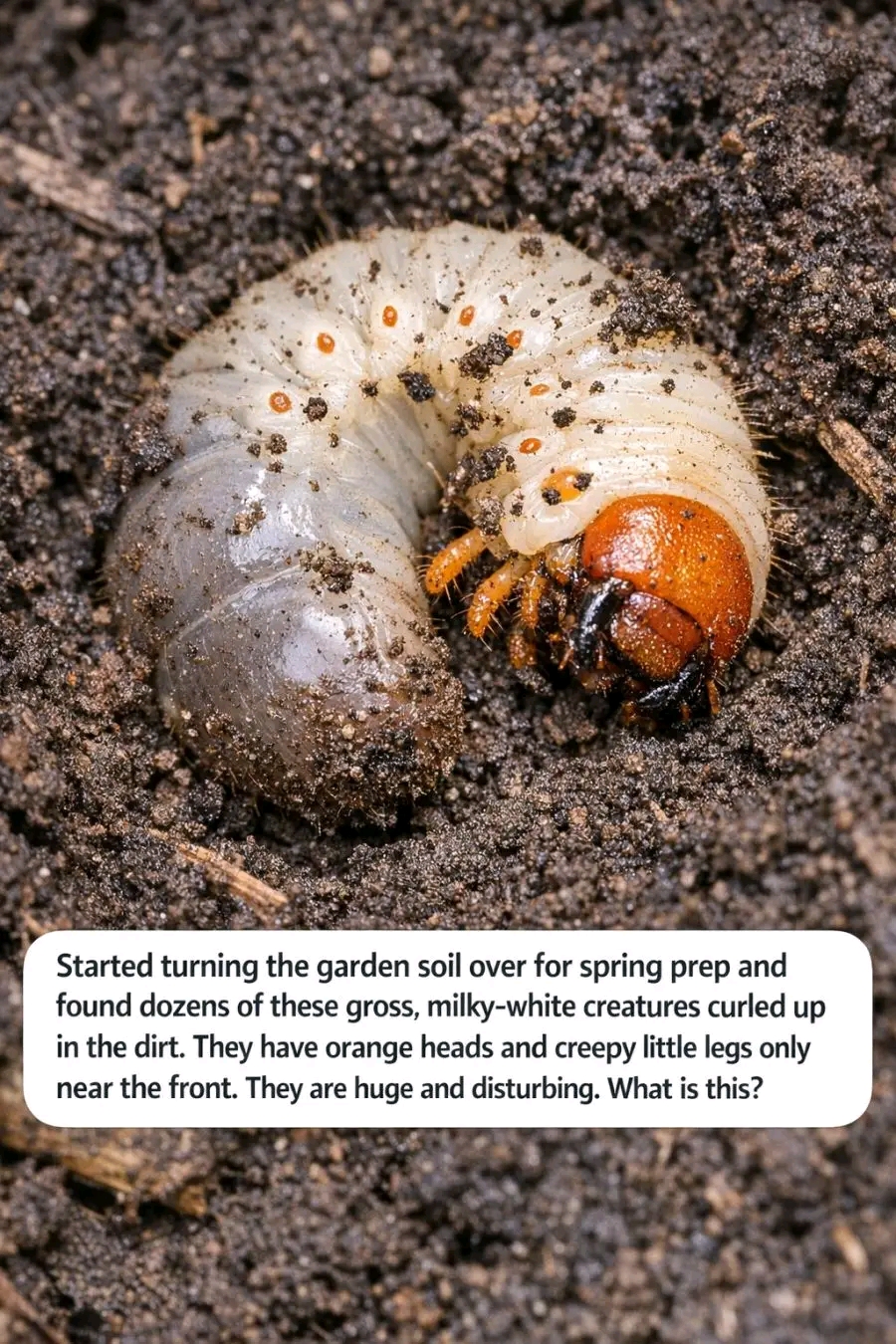
As you start preparing your garden for spring, turning over the soil can reveal a hidden world of creatures living beneath the surface. Among these, you might come across some rather unsettling discoveries, such as milky-white grubs with orange heads and tiny legs clustered near the front. These creatures can be a surprising and somewhat disturbing find, particularly when present in large numbers.These grubby inhabitants of your garden soil often raise questions and concerns about the health of your plants and the safety of your garden. Understanding what these grubs are, their life cycle, and the potential impact they might have on your garden is crucial for effective garden management and ensuring a healthy growing season.
1. Meet the Culprit: What These Milky-White Grubs Actually AreThe creatures you have uncovered are most likely white grubs, the larval stage of various beetles, including Japanese beetles, June bugs, and European chafers. These grubs are typically C-shaped, with a creamy white body and a reddish-brown head capsule. They can grow up to about 1 inch (2.5 cm) in length. The presence of short, stubby legs near the head distinguishes them from other soil-dwelling larvae.White grubs are common in many gardens and lawns, where they feed on organic matter and plant roots. While they are an essential part of the soil ecosystem, in large numbers, they can become a nuisance, causing damage to grass and other plants.
2. How To Positively Identify White Grubs in Your GardenTo identify white grubs accurately, examine their physical characteristics closely. They should have a distinct C-shape when unearthed, with a soft, milky-white body and a harder, brownish head. Look for the presence of three pairs of legs located near the head, which is a key identifying feature.To further confirm their identity, consider their location and behavior. Grubs typically inhabit the top few inches of soil, particularly in areas rich in organic matter. If you find them in your garden, they’re likely feasting on plant roots or decaying organic material.
3. The Life Cycle: From Beetle Egg to Lawn-Destroying GrubWhite grubs undergo a fascinating life cycle that begins when adult beetles lay eggs in the soil during the summer months. These eggs hatch into larvae, the grubs, which feed on roots and organic matter throughout the fall.As temperatures drop, the grubs burrow deeper into the soil to overwinter. In spring, they return to the upper soil layers to resume feeding before pupating into adult beetles. This cycle can take one to three years, depending on the species and environmental conditions.
