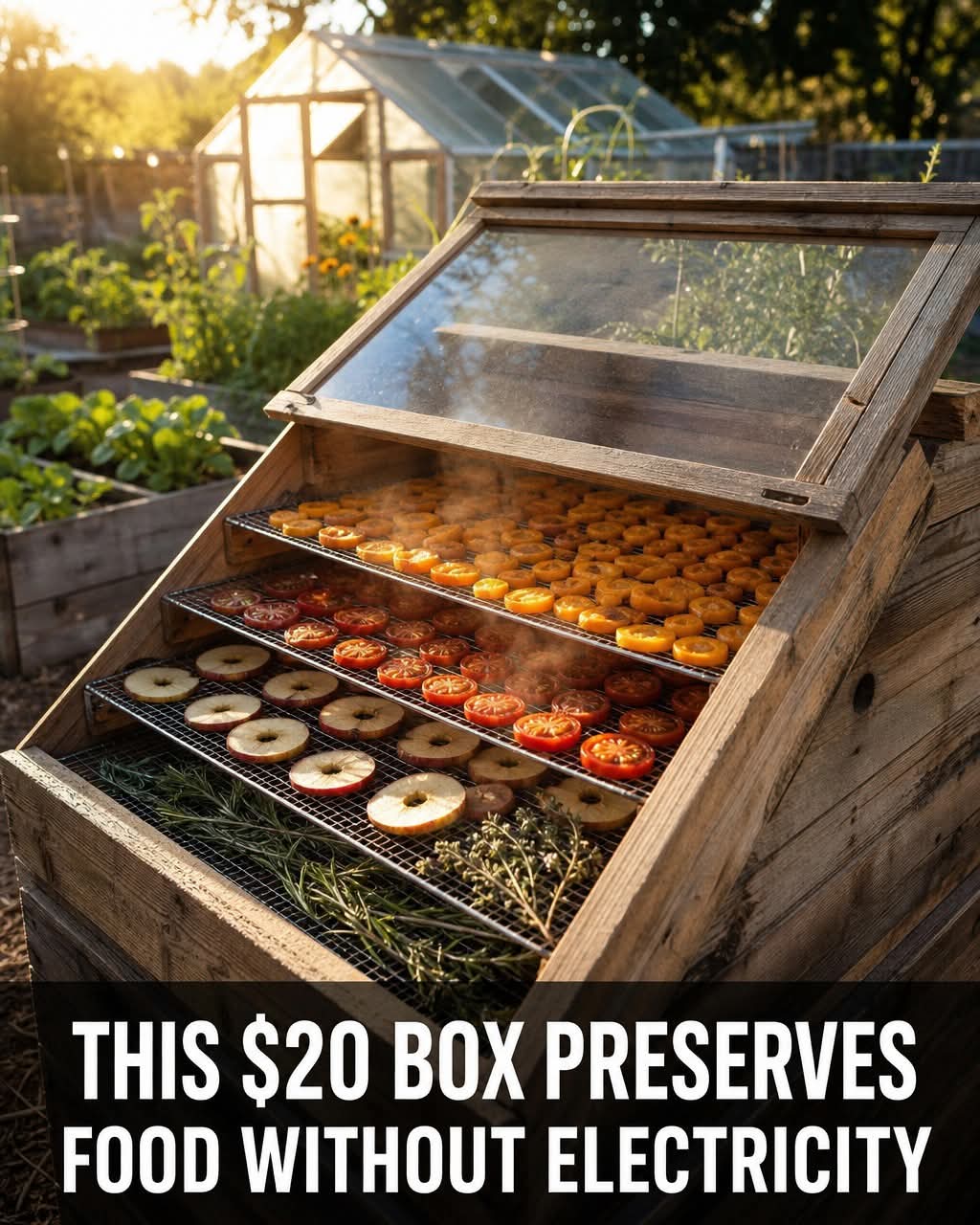
📦 The Simple Box That Can Help Preserve Food Without Electricity
Imagine keeping fruits and vegetables fresh for days—or even weeks longer—without plugging anything into a wall.
It may sound surprising in a world dominated by refrigerators and freezers, but simple food-preservation boxes have been helping people reduce food waste for generations. In areas where electricity is limited or expensive, these clever storage systems can make a remarkable difference.
How Does It Work?
The idea is simple: create a cooler environment that slows down spoilage.
Some non-electric food-preservation boxes use natural cooling methods, such as evaporation. Others rely on insulation, airflow, or underground placement to help maintain lower temperatures than the surrounding air.
One of the best-known examples is the “pot-in-pot refrigerator,” sometimes called a zeer pot. This system uses two clay containers with wet sand between them. As the water evaporates, it removes heat and cools the inner container.
The result is a surprisingly effective cooling system that requires no electricity.
Why Temperature Matters
Fresh fruits and vegetables continue to change after harvest.
Warm temperatures speed up ripening and spoilage. Cooler conditions slow these processes, helping food stay fresh longer.
By lowering the temperature around stored produce, preservation boxes can extend the life of:
- Tomatoes
- Peppers
- Cucumbers
- Leafy greens
- Carrots
- Apples
- Many other fruits and vegetables
The exact results depend on the climate, humidity, and type of food being stored.
Reducing Food Waste
Food waste is a major challenge worldwide.
When produce spoils before it can be eaten, valuable resources such as water, energy, labor, and land are wasted as well.
Simple preservation systems can help families keep food fresh longer, reducing the need to throw away fruits and vegetables that spoil too quickly.
Even extending freshness by a few days can make a meaningful difference.
Helpful in Remote Areas
For communities without reliable electricity, food-preservation boxes can provide practical benefits.
Farmers can store harvested crops longer.
Families can keep produce fresh between shopping trips.
Local markets may be able to reduce losses from spoilage.
These solutions are often inexpensive, easy to maintain, and made from locally available materials.
Environmentally Friendly
Unlike conventional refrigerators, non-electric preservation systems require no power consumption.
This means:
🌱 Lower energy use
🌱 Reduced environmental impact
🌱 Lower operating costs
🌱 Sustainable food storage
While they cannot replace modern refrigeration for all foods, they offer a valuable supplement in many situations.
Not a Replacement for Refrigeration
It’s important to understand that these boxes are not suitable for every type of food.
Perishable items such as raw meat, fish, dairy products, and certain prepared foods often require proper refrigeration to remain safe.
Non-electric cooling systems work best for fruits, vegetables, and other foods that naturally tolerate cool storage conditions.
Food safety should always be a priority.
Ancient Ideas, Modern Relevance
Long before electric refrigerators existed, people developed creative ways to preserve food.
Root cellars, clay pots, cool underground storage areas, and insulated containers helped communities store food through changing seasons.
Today, interest in sustainable living has renewed appreciation for many of these traditional methods.
The Bottom Line
A simple box that helps preserve food without electricity may seem old-fashioned, but its benefits remain highly relevant.
By using natural cooling principles, these systems can help extend the freshness of fruits and vegetables, reduce food waste, save energy, and provide practical storage solutions where refrigeration is unavailable.
Sometimes the most effective innovations aren’t the newest technologies.
Sometimes they’re simple ideas that have been quietly working for generations.
📦🌿 Have you ever used a non-electric method to keep food fresh? If so, what worked best for you?
