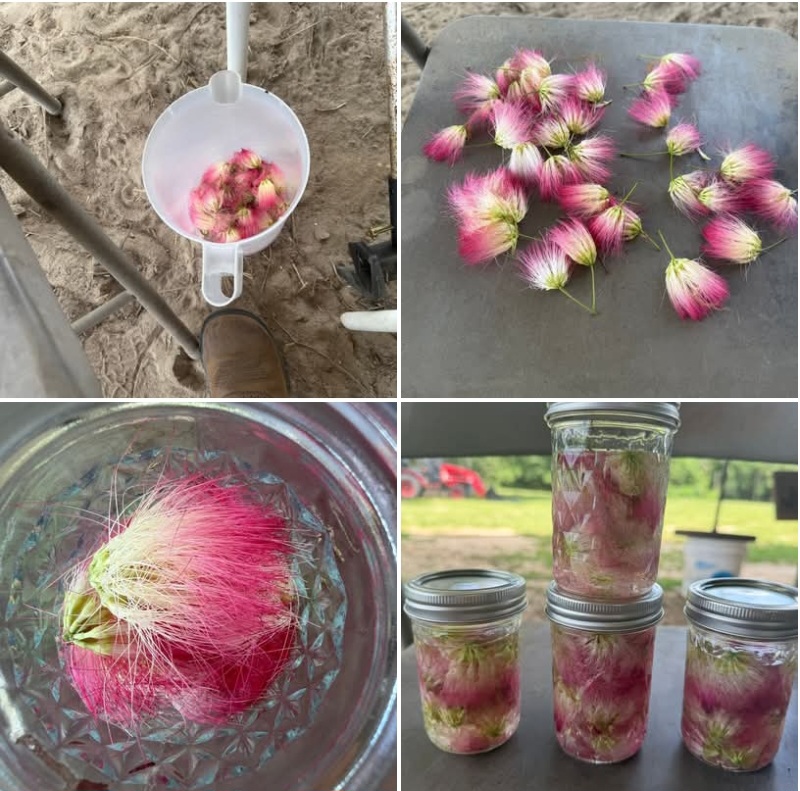
🌸 Can You Use Mimosa Tree Flowers if the Area Has Been Sprayed for Mosquitoes?
The mimosa tree is famous for its beautiful pink, fluffy flowers and its long history of use in traditional herbal preparations. Many people enjoy collecting the blossoms to make teas, tinctures, crafts, or simply to enjoy their fragrance.
However, an important question often arises:
If mosquitoes are sprayed in your area, does that make mimosa flowers unsafe to use?
The answer depends on several factors, including what was sprayed, how it was applied, and whether the flowers were directly exposed.
🦟 Why Mosquito Spraying Matters
Mosquito control programs may use various products to reduce mosquito populations.
These treatments can include:
- Ground spraying
- Truck-mounted spraying
- Backpack spraying
- Aerial spraying in some regions
The products used vary from place to place.
Because these sprays are designed to affect insects, they can leave residues on surfaces they contact, including leaves and flowers.
🌸 Can Flowers Be Contaminated?
Potentially, yes.
If mosquito-control products were sprayed directly onto a tree or nearby vegetation, residues may settle on:
- Flowers
- Leaves
- Bark
- Fruit
The amount depends on factors such as:
- Wind conditions
- Distance from spraying
- Weather
- Type of application
⚠️ Before Harvesting Mimosa Flowers
If you know your area has recently been sprayed:
✅ Determine what product was used.
✅ Check local mosquito-control notices.
✅ Find out when spraying occurred.
✅ Follow any guidance provided by local authorities.
If you are uncertain whether flowers were exposed, it is generally safest not to harvest them for consumption.
🌿 Choosing Safe Flowers
For herbal use, many people prefer flowers that are:
- Grown without pesticide applications
- Harvested from known locations
- Away from roadways
- Away from industrial pollution sources
Knowing the history of the plant is important.
🌸 Traditional Mimosa Flower Tea Recipe
If you have clean, properly identified flowers from a safe source, this traditional preparation is commonly used.
Ingredients
- 1–2 teaspoons dried mimosa flowers
- 1 cup hot water
- Honey (optional)
- Lemon (optional)
Instructions
- Place dried flowers in a cup.
- Pour hot water over them.
- Cover and steep for 10–15 minutes.
- Strain.
- Add honey or lemon if desired.
- Serve warm.
The tea has a light floral aroma and delicate flavor.
🌸 Mimosa Flower Infusion
Ingredients
- A handful of fresh or dried mimosa flowers
- 2 cups hot water
Directions
- Place flowers into a heatproof container.
- Pour hot water over them.
- Cover and steep for 20–30 minutes.
- Strain before serving.
Many people enjoy this infusion as a mild floral beverage.
🧺 Harvesting Tips
If collecting mimosa flowers:
🌸 Harvest on a dry day.
🌸 Choose freshly opened blooms.
🌸 Avoid flowers showing signs of disease or insect damage.
🌸 Use clean baskets or containers.
🌸 Dry flowers in a shaded, well-ventilated location if storing.
🌎 Why Location Matters
Even when mosquito spraying is not involved, environmental contamination can occur from:
🚗 Road traffic
🏭 Industrial pollution
🌾 Agricultural chemicals
This is why responsible foragers always pay attention to where plants are growing.
The Bottom Line
If mosquito-control products have been sprayed directly onto or near a mimosa tree, the flowers may carry residues and may not be appropriate for consumption. The safest approach is to know exactly what was sprayed, when it was applied, and whether the flowers were exposed.
When harvesting any wild or backyard plant for tea or herbal preparations, choosing a clean, unsprayed source is one of the most important steps.
🌸🦟 Have you ever harvested flowers or herbs from your own garden, and how do you make sure they’re growing in a clean environment?
