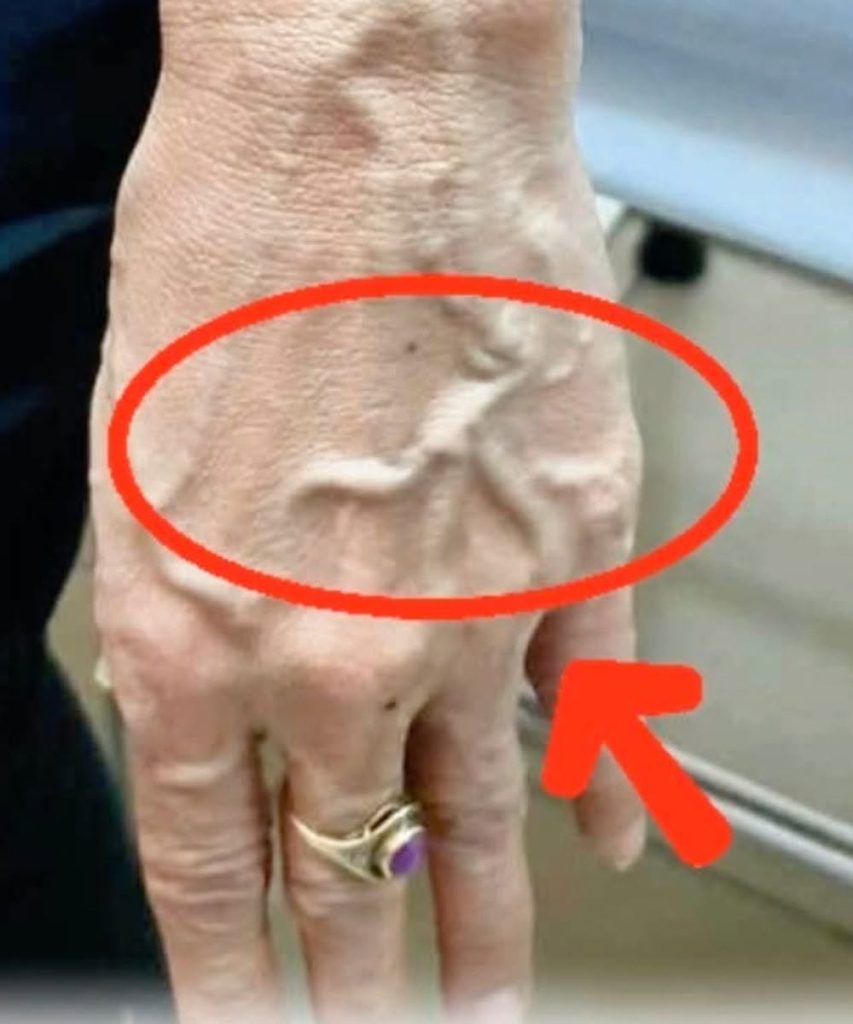
Veins that are clearly visible—especially on the hands, arms, or legs—often cause people to question whether there may be an underlying health issue. Many assume that prominent veins indicate poor blood circulation. In reality, this belief is usually mistaken. Most of the time, noticeable veins are perfectly normal and are caused by natural, harmless factors.
Why Do Some People Have More Visible Veins?
A number of common factors can make veins appear more prominent:
Low body fat: A layer of fat normally sits between the skin and the veins. When body fat is lower, there is less tissue covering the veins, making them easier to see.
Skin type: People with thinner or lighter skin often have veins that are more visible beneath the skin’s surface.
Getting older: With age, the skin becomes thinner and loses elasticity, which can cause veins to stand out more.
Exercise: Physical activity boosts blood flow, causing veins to expand temporarily and become more noticeable during or shortly after a workout.
Genetics: Some people naturally inherit veins that are more visible than others.
In these cases, visible veins are generally harmless and are not a sign of circulation problems.
What Is Blood Circulation?
Circulation refers to the movement of blood throughout the body, supplying oxygen and nutrients to tissues while removing waste. This process depends on the proper function of the heart, arteries, and veins working together.
Poor circulation occurs when blood does not move effectively through the body, often because of conditions such as narrowed blood vessels or damage within the circulatory system. It is not something that can be determined simply by looking at visible veins.
When Can Visible Veins Be a Warning Sign?
Although prominent veins are usually normal, certain additional symptoms may suggest an underlying issue. Pay attention if you experience:
- Swelling in the ankles or legs
- Pain, heaviness, or aching
- Skin discoloration around the veins
- Bulging, twisted veins (varicose veins)
- Sudden or unexpected changes in vein appearance
These symptoms may be associated with conditions such as varicose veins or venous insufficiency, where blood has difficulty returning to the heart efficiently.
Common Conditions Affecting Veins
Varicose veins: Enlarged, twisted veins that commonly appear in the legs and may cause discomfort.
Spider veins: Small, web-like veins visible under the skin. They are usually harmless but may be considered a cosmetic issue.
Chronic venous insufficiency: A condition in which veins struggle to return blood to the heart, often resulting in swelling and discomfort.
How to Support Healthy Circulation
Even though visible veins are not usually a problem, maintaining good circulation remains important. Helpful habits include:
- Staying physically active
- Avoiding prolonged sitting or standing
- Maintaining a healthy weight
- Drinking plenty of water
- Elevating your legs while resting
- Wearing compression socks when recommended by a healthcare provider
Bottom Line
Visible veins do not automatically indicate poor circulation. In most situations, they are simply the result of normal variations in body composition, skin characteristics, or lifestyle factors. However, if prominent veins are accompanied by pain, swelling, or other unusual symptoms, consulting a healthcare professional is recommended. Knowing the difference between what is normal and what may signal a problem can help you stay informed and avoid unnecessary worry.
