💅 If You Have Lines on Your Nails, Does It Mean You Have Cancer? Here’s the Truth
You may have seen social media posts claiming that lines on your fingernails are a sign of cancer. While certain nail changes can sometimes be associated with medical conditions, most nail lines are harmless and are not caused by cancer.
Understanding the different types of nail lines can help you know when they’re simply a normal part of aging and when it’s worth discussing them with a healthcare professional.
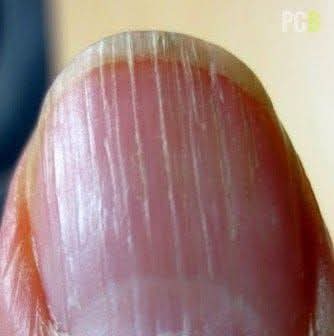
Vertical Ridges: Usually Normal
The most common nail lines are vertical ridges that run from the cuticle to the tip of the nail.
These ridges:
- Become more common with age
- Are usually harmless
- May become more noticeable if your nails are dry or brittle
For most people, vertical ridges are considered a normal change rather than a sign of illness.
Horizontal Ridges (Beau’s Lines)
Horizontal grooves that run across the nail are known as Beau’s lines.
They can appear after:
- A severe illness
- High fever
- Major surgery
- Significant physical stress
- Injury to the nail
These grooves often grow out with the nail over time.
White Lines
White streaks or spots are often caused by minor injuries to the nail plate.
Less commonly, they may be associated with nutritional deficiencies or certain medical conditions, but most are harmless and disappear as the nail grows.
Dark Lines Under the Nail
A narrow brown or black line beneath a nail may simply result from a bruise or increased pigmentation. However, a new dark streak—especially one that appears on only one nail, becomes wider, changes over time, or extends onto the surrounding skin—should be evaluated promptly by a healthcare professional.
In some cases, this type of change can be a sign of a rare form of skin cancer called subungual melanoma.
Other Nail Changes That May Need Medical Attention
Consider seeing a healthcare provider if you notice:
- A new dark streak that keeps growing
- Nails separating from the nail bed without an obvious cause
- Persistent pain, swelling, or bleeding around a nail
- Significant changes affecting only one nail
- Nail changes that do not improve or continue to worsen
Most nail changes are not serious, but persistent or unusual changes deserve professional evaluation.
Keeping Your Nails Healthy
Healthy nails start with good daily care:
- Keep nails clean and dry.
- Moisturize your hands and cuticles regularly.
- Wear gloves when using cleaning products.
- Eat a balanced diet with adequate protein, vitamins, and minerals.
- Avoid biting or picking at your nails.
These habits can help reduce brittleness and improve the overall appearance of your nails.
The Bottom Line
Having lines on your nails does not automatically mean you have cancer. In fact, vertical ridges are extremely common and are often a normal part of aging. While certain unusual nail changes can occasionally signal an underlying health condition, including rare forms of skin cancer, most nail lines have much more common and harmless explanations.
If you notice a new, persistent, or rapidly changing nail abnormality—especially a dark streak on a single nail or changes accompanied by pain or bleeding—it’s best to have it evaluated by a healthcare professional. Early assessment can provide reassurance or identify a problem that may need treatment.
Healthy nails can tell us something about our overall health, but they should always be interpreted in the context of the whole person—not as a diagnosis on their own.
