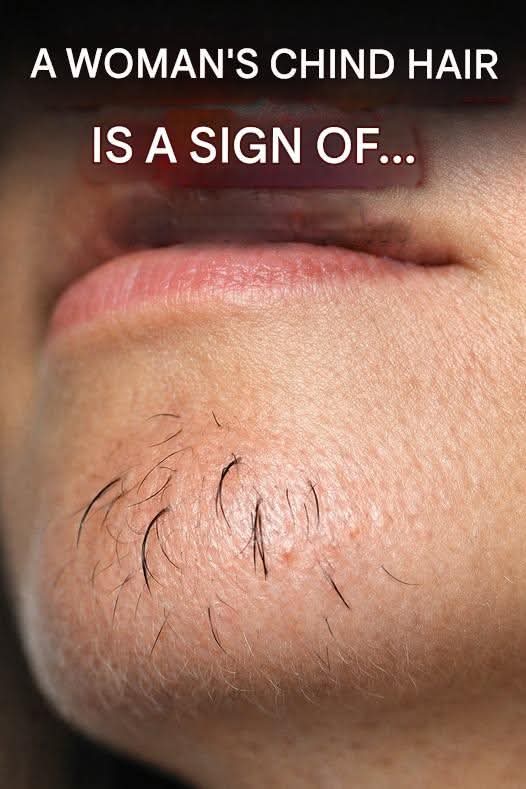
Every woman knows the horror: you look in the mirror and see one (or more) uninvited “guests” on your chin that were gone yesterday. The first reaction is usually to panic and grab the But before you pluck them, stop for a moment. Dermatologists warn : this could be a signal your body is sending about what’s going on inside you.
Hygiene& Toiletries
1. Gene lottery or hormonal game?
Don’t worry, you’re not alone. According to Dr. Hadley King, a dermatologist in New York City, chin hair is much more common than you might think.
- The reason: It’s a combination of genes and hormones.
- For single hairs: remain the fastest and easiest method.
- For more stubborn areas: Laser hair removal is a long-term solution that destroys the follicle.The mechanism: Male hormones (androgens), which every woman has in small amounts, interact with hair follicles. If your follicles are more sensitive to them, the result is unwanted hair growth.
Why Do Some Women Grow Chin Hair? Common Causes Explained
Finding a few hairs on your chin is more common than many people realize. While some women rarely notice facial hair, others may develop a few coarse strands or experience more noticeable hair growth over time.
In most cases, chin hair is a normal part of aging, genetics, or hormonal changes. However, excessive or rapidly increasing facial hair can sometimes be a sign of an underlying medical condition.
Here’s what you should know.
🌿 Aging and Hormonal Changes
As women age, hormone levels naturally change.
Around menopause, estrogen levels decline while androgens (often called “male hormones,” though women produce them too) become relatively more prominent. This shift can cause:
- A few coarse hairs on the chin
- Hair growth on the upper lip
- Thinning hair on the scalp
For many women, this is a completely normal part of aging.
🧬 Genetics
Family history plays a major role in facial hair growth.
If your mother, grandmother, or sisters have chin hair, you’re more likely to develop it as well.
Ethnicity can also influence hair thickness, color, and growth patterns.
⚖️ Hormonal Imbalances
Sometimes increased chin hair is linked to higher-than-normal androgen levels.
This may lead to:
- Coarser facial hair
- Hair growth on the chest or abdomen
- Acne
- Oily skin
Several conditions can contribute to hormonal changes, making evaluation by a healthcare professional worthwhile if symptoms are significant.
🩺 Polycystic Ovary Syndrome (PCOS)
One of the most common medical causes of excessive facial hair in younger women is polycystic ovary syndrome (PCOS).
Besides increased facial or body hair, symptoms may include:
- Irregular menstrual periods
- Acne
- Weight changes
- Difficulty becoming pregnant
Not everyone with chin hair has PCOS, but persistent or excessive hair growth along with these symptoms should be discussed with a healthcare provider.
💊 Certain Medications
Some medications may increase facial hair growth as a side effect.
Examples include certain:
- Hormone therapies
- Steroid medications
- Medications that affect hormone balance
If you notice changes after starting a new medication, consult your healthcare provider before making any changes.
🧡 When Is Chin Hair Normal?
For many women, finding one or two chin hairs every so often is perfectly normal.
Occasional removal with tweezers or other hair-removal methods is common and doesn’t necessarily indicate a health problem.
🚨 When Should You See a Doctor?
Consider speaking with a healthcare professional if:
- Facial hair appears suddenly and increases rapidly.
- Hair growth becomes excessive or spreads to other areas.
- You also develop acne, voice changes, or irregular periods.
- You’re concerned about an underlying hormonal condition.
A medical evaluation may include a physical exam and, if appropriate, blood tests to check hormone levels.
✂️ Hair Removal Options
Women have many choices for managing unwanted chin hair, including:
- Tweezing
- Waxing
- Threading
- Dermaplaning
- Shaving
- Depilatory creams (used according to directions)
- Laser hair removal
- Electrolysis for more permanent hair reduction
The best option depends on the amount of hair, skin sensitivity, and personal preference.
🌸 The Bottom Line
A few chin hairs are a normal experience for many women and are often related to genetics, aging, or natural hormonal changes. However, sudden or excessive facial hair growth—especially when accompanied by other symptoms—may be a sign of a hormonal condition such as PCOS or another medical issue that deserves professional evaluation.
If you’re ever unsure about changes in facial hair growth, your healthcare provider can help determine whether it’s a normal variation or something that should be investigated further.
💬 Have you noticed chin hair becoming more common with age, or do you have tips for managing it? Share your experiences in the comments!
