Every time you shop for groceries or clean out your fridge, you probably glance at those little dates printed on food packages—“Use By,” “Best Before,” “Sell By,” and more—and wonder, Are these food expiration dates really set in stone?
Most people have no clue what these dates actually mean, which leads to unnecessary food waste, confusion, and sometimes even health risks. But understanding these dates can help you keep your food safe, save money, and reduce waste—all while enjoying your groceries at their best.
Here’s everything you need to know about food expiration dates.
🍎 Types of Food Expiration Dates Explained
- “Sell By” Date:
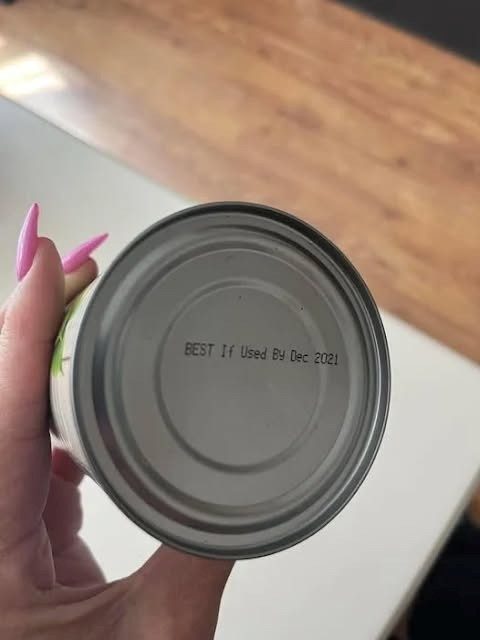
This date is meant for retailers, telling them when to pull a product off the shelves. It’s not a safety date, so food is usually still good to eat for some time after. - “Best If Used By/Before” Date:
This is about quality, not safety. The food might lose flavor or texture after this date but is often still safe to consume. - “Use By” Date:
This one relates to safety and quality and is often found on perishable items like meat, dairy, and ready-to-eat meals. It’s best to use the product before this date for safety. - “Freeze By” Date:
Indicates when food should be frozen to maintain quality.
🥫 What These Dates Don’t Mean
- They’re not automatic “bad after” dates. Many foods are safe to eat well beyond these dates if stored properly.
- They don’t guarantee safety. Always use your senses—look, smell, and taste when safe—to judge if food is still good.
- They’re not regulated consistently.
- There’s no federal standard in many countries for how these dates are determined, so they vary by manufacturer.
🍞 How to Tell If Food Is Still Safe
- Look: Is there mold, discoloration, or an off texture?Groceries
- Smell: Does it smell sour, rancid, or unusual?
- Taste: When safe, a small taste test can confirm freshness.
- When in doubt, throw it out! It’s better to be safe than risk food poisoning.
🛒 Tips for Avoiding Food Waste and Saving Money
- Shop smart: Buy only what you need and check dates before purchasing.
- Store properly: Keep foods refrigerated or frozen as recommended.
- Use FIFO (First In, First Out): Rotate your pantry and fridge items so older foods get eaten first.
- Preserve leftovers: Freeze or repurpose food before it goes bad.
- Learn to freeze: Many items can be frozen past their dates and safely enjoyed later.
🌟 Why It Matters
Food waste is a massive global problem—with environmental and economic consequences. Understanding expiration dates can help reduce waste and make your food last longer, all while keeping your family safe.
Final Thoughts
Most people have no clue what food expiration dates actually mean, but with a little knowledge and common sense, you can keep your food fresh, safe, and delicious longer. So next time you pick up that carton or jar, remember: those dates are guidelines—not the final word.
Eat smart, waste less, and enjoy every bite.
