Today, disposable diapers are considered one of the most common and convenient products for parents around the world. Millions of babies use them every day, and changing a diaper has become a quick and simple task. But before brands like Pampers changed the way families cared for their babies, generations of parents relied on something much more traditional: cloth diapers.
For many families, especially throughout the late 19th and early 20th centuries, cloth diapers were not an alternative choice or a lifestyle trend. They were simply the normal way babies were cared for. Parents folded pieces of cotton fabric, secured them with safety pins, covered them with waterproof pants, and washed them repeatedly for the next use.
Remembering cloth diapers is not just about remembering an old baby product. It is about remembering a completely different period of family life—one where baby care required more time, more patience, and a lot more daily work.
What Were Cloth Diapers?
Before disposable diapers became widely available, most babies wore reusable cloth diapers made from absorbent materials such as cotton.
There were several common types:
Flat Cloth Diapers
Flat diapers were simple square or rectangular pieces of fabric. Parents had to fold them into the right shape depending on the baby’s size and needs.
They were affordable, easy to wash, and could be reused for years, but they required skill and time to fold correctly.
Prefold Diapers
Later, prefold diapers became more popular. These diapers had extra layers of fabric sewn into the center section, making them more absorbent and easier to fold.
Although they were more convenient than simple flat cloths, they still required waterproof covers and regular washing.
When Were Cloth Diapers Used?
Cloth diapers were widely used in American homes from the late 1800s through much of the 1900s.
For parents and grandparents who raised children before the rise of disposable diapers, cloth diapers were simply part of everyday life. They were not considered old-fashioned or inconvenient—they were the only practical option available for most families.
Before modern disposable products entered homes, parents developed routines around washing, drying, and preparing diapers for future use.
The Daily Reality of Using Cloth Diapers
Using cloth diapers required much more effort than modern disposable options.
After a diaper became dirty, parents had to:
- Remove the diaper carefully.
- Rinse or soak it.
- Wash it thoroughly.
- Dry it completely.
- Fold it and prepare it for the next use.
Many homes had special diaper pails where dirty diapers were stored before washing. Some families washed diapers by hand, while others used washing machines as they became more common.
For many mothers, diaper washing became a regular part of the daily household routine.
In some communities, families even used diaper services. These companies delivered clean cloth diapers and collected used ones for professional washing and sanitizing.
The Famous Diaper Pins and Rubber Pants
Anyone who remembers traditional cloth diapers probably remembers one important detail: diaper pins.
Parents had to carefully fold the fabric, hold it in place, and secure it with safety pins without accidentally hurting the baby.
After that, waterproof rubber or plastic pants were placed over the diaper to help prevent leaks.
This process required patience and practice. A diaper that was folded incorrectly could easily become uncomfortable for the baby or create extra cleaning work for parents.
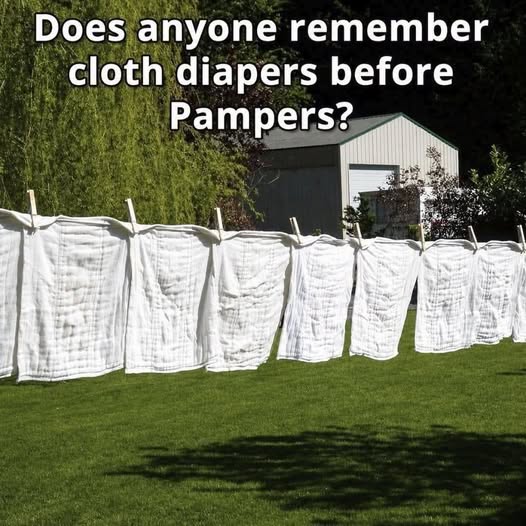
Many people who grew up during this era remember the smell of freshly washed cotton diapers, the sight of diapers hanging on outdoor clotheslines, and the constant effort involved in keeping babies clean and comfortable.
