?
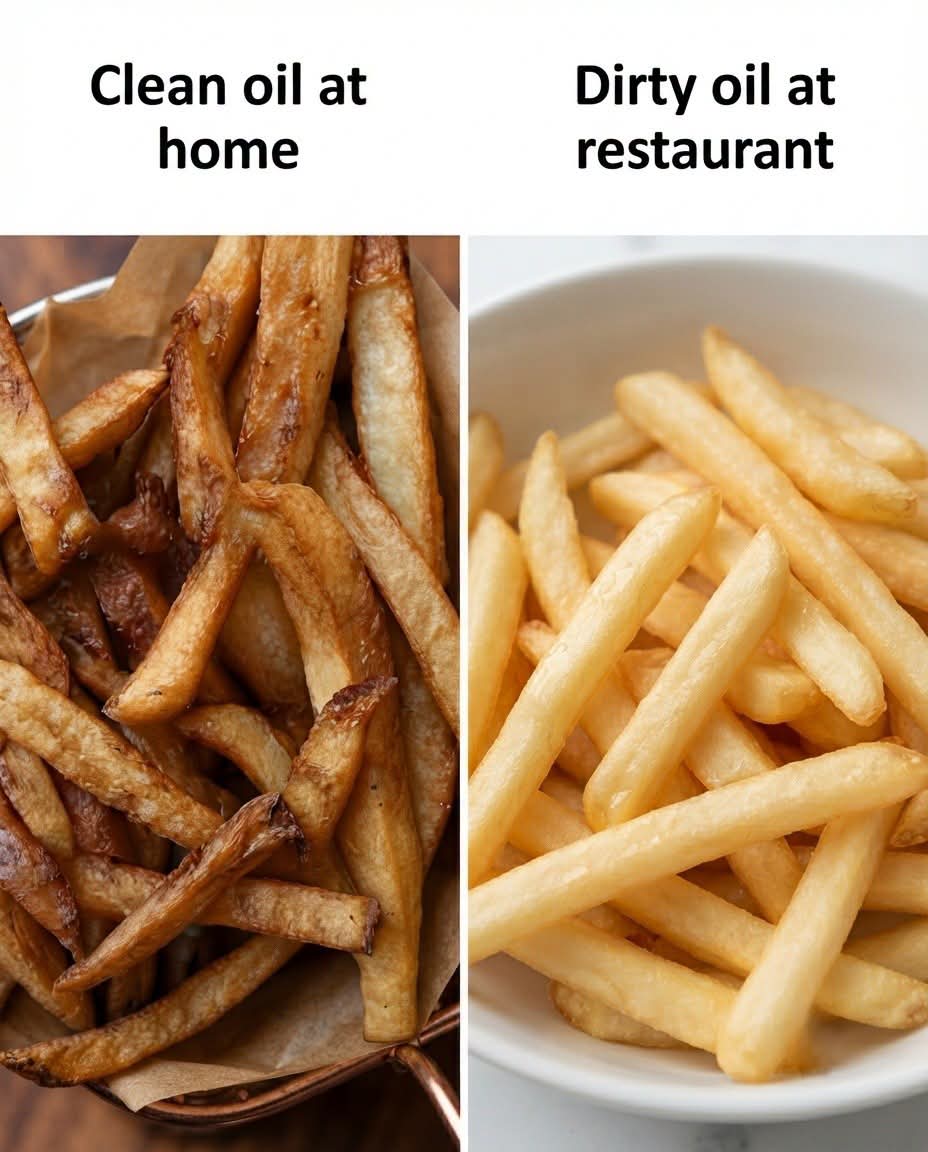
There’s something irresistible about a basket of hot, golden French fries from your favorite restaurant. They’re perfectly crispy on the outside, soft and fluffy on the inside, and somehow stay crunchy long enough to enjoy every bite.
Then you try making fries at home.
They taste good—but they’re often a little soggy, unevenly browned, or missing that satisfying crunch.
So, what’s the secret?
The answer isn’t just one thing. Restaurant fries benefit from a combination of the right potatoes, special preparation techniques, precise cooking temperatures, and commercial equipment. The good news is that you can borrow many of these methods to make better fries at home.
It Starts with the Right Potato
Not all potatoes are created equal.
Restaurants often choose high-starch potatoes, such as Russet potatoes, because they contain less moisture than waxy varieties.
High-starch potatoes:
- Produce a fluffy interior
- Brown more evenly
- Develop a crisp exterior
Waxy potatoes, such as red potatoes or many new potatoes, contain more moisture and tend to stay firmer, making them better for salads than classic French fries.
Soaking Makes a Difference
One of the most overlooked steps is soaking the cut potatoes.
After slicing the potatoes into fries, soak them in cold water for at least 30 minutes, or even several hours if you have time.
This helps remove excess surface starch, which can cause fries to stick together and brown unevenly.
After soaking, drain the potatoes well and dry them thoroughly with clean kitchen towels or paper towels. Moisture is the enemy of crispiness.
Restaurants Often Double-Fry
One of the biggest secrets behind restaurant-quality fries is double frying.
First Fry
The potatoes are cooked at a lower temperature, around 325°F (163°C), for several minutes.
This cooks the inside without creating much color.
The fries are then removed and allowed to cool.
Second Fry
Just before serving, they’re fried again at a higher temperature, about 375°F (190°C).
This second fry creates the crisp, golden exterior that everyone loves.
While it takes a little more time, double frying produces noticeably better results than frying only once.
Oil Temperature Matters
If the oil is too cool, the potatoes absorb more oil before the surface crisps, leaving them greasy.
If it’s too hot, the outside may burn before the inside is fully cooked.
Using a kitchen thermometer helps keep the oil at a consistent temperature throughout cooking.
Restaurants Use Powerful Fryers
Commercial deep fryers recover heat much faster than most home pots or countertop fryers.
When cold potatoes are added, the oil temperature drops only slightly, allowing the fries to cook evenly.
At home, adding too many potatoes at once can lower the oil temperature dramatically.
The solution?
Cook in small batches to maintain consistent heat.
Dry Potatoes Crisp Better
Even a little extra moisture can prevent fries from becoming crispy.
After soaking:
- Drain completely.
- Pat every fry dry.
- Let them air-dry for a few minutes if needed.
Dry potatoes brown faster and crisp more effectively.
Salt at the Right Time
Restaurants usually season fries immediately after cooking, while they’re still hot and have a thin coating of oil.
The salt sticks better and distributes more evenly.
If you wait until the fries cool, much of the seasoning simply falls off.
Fresh Oil Produces Better Flavor
Oil gradually breaks down with repeated use.
Restaurants carefully filter or replace frying oil regularly to maintain consistent flavor and color.
Old or overused oil can make fries taste heavy or slightly bitter.
Don’t Crowd the Pot
Overcrowding is one of the most common mistakes.
Adding too many fries at once lowers the oil temperature and causes the potatoes to steam instead of fry.
Cooking smaller batches takes a little longer, but the results are much crispier.
Can You Bake or Air Fry Crispy Fries?
Absolutely!
Although they won’t be identical to deep-fried restaurant fries, you can still achieve excellent results.
For oven fries:
- Toss the potatoes with a small amount of oil.
- Spread them in a single layer.
- Avoid overlapping.
- Bake at a high temperature, turning halfway through cooking.
For air fryer fries:
- Dry the potatoes thoroughly.
- Lightly coat them with oil.
- Cook in batches.
- Shake the basket several times for even browning.
Tips for the Best Homemade Fries
- Choose Russet potatoes.
- Soak the cut fries in cold water.
- Dry them completely before cooking.
- Fry twice for maximum crispiness.
- Maintain the correct oil temperature.
- Avoid overcrowding the fryer.
- Season immediately after cooking.
- Serve while they’re hot and fresh.
The Bottom Line
Restaurant French fries seem magical, but their delicious texture comes from careful preparation rather than a secret ingredient. Choosing the right potato, soaking away excess starch, drying thoroughly, maintaining the proper oil temperature, and using the double-fry method can dramatically improve homemade fries.
While your kitchen may not have a commercial deep fryer, these simple techniques can help you make fries that are crisp on the outside, fluffy on the inside, and every bit as satisfying as your favorite restaurant’s version. The next time you crave perfectly golden French fries, you’ll know exactly how to get closer to that irresistible restaurant-quality crunch.
