The internet is filled with bold claims about natural foods that supposedly prevent or even cure serious illnesses. One topic that has sparked ongoing debate is whether apple seeds have cancer-fighting properties.
Some articles suggest that the compounds inside apple seeds can destroy cancer cells, while others warn that eating them is highly dangerous. With so much conflicting information online, it’s important to understand what current scientific evidence actually says.
Apples are widely recognized as one of the healthiest fruits, packed with fiber, vitamins, and beneficial plant compounds. However, the tiny seeds inside the fruit have a very different composition and deserve a closer look.
🌱 What Do Apple Seeds Actually Contain?
Apple seeds contain several naturally occurring compounds that help protect the plant.
These include:
Dietary fiber
Healthy fats
Plant proteins
Natural antioxidants
Bioactive plant compounds
Amygdalin
Among these, amygdalin has attracted the most attention because of claims linking it to cancer treatment.
Amygdalin is also naturally found in the kernels or seeds of several fruits in the rose family, including:
Apricots
Peaches
Plums
Cherries
What Is Amygdalin?
Amygdalin is a naturally occurring plant compound.
When it is broken down during digestion—especially if seeds are crushed or chewed—it can release small amounts of cyanide, a substance that can be toxic in high doses.
This has led to two extreme viewpoints:
Some people believe amygdalin is a natural cure for cancer.
Others believe eating even one apple seed is extremely dangerous.
The scientific reality lies somewhere between these two claims.
🍏 Can Apple Seeds Cure Cancer?
Current scientific research does not support the claim that apple seeds cure cancer in humans.
Over the years, researchers have studied amygdalin and related compounds to determine whether they could help treat cancer. While laboratory studies have explored possible biological effects, clinical research has not demonstrated that apple seeds or amygdalin are effective cancer treatments.
Major medical and scientific organizations agree that there is insufficient evidence to recommend amygdalin as a therapy for cancer.
Claims that apple seeds can eliminate tumors or replace conventional treatment are not supported by reliable scientific evidence.
The Origin of the Myth
The popularity of this belief largely comes from a substance known as laetrile, a compound related to amygdalin that was promoted decades ago as an alternative cancer treatment.
However, clinical trials failed to show consistent therapeutic benefits.
Researchers also identified concerns about cyanide toxicity, especially when large amounts were consumed.
Because of these safety concerns and the lack of proven effectiveness, laetrile is not an approved cancer treatment.
⚠️ Are Apple Seeds Dangerous?
The answer depends on how many are consumed.
Accidentally swallowing a few whole apple seeds while eating an apple is generally not considered harmful for healthy adults.
This is because:
Apple seeds contain relatively small amounts of amygdalin.
Whole seeds often pass through the digestive system without releasing much of their contents.
The body can process very small amounts of naturally occurring compounds.
However, regularly chewing or consuming large quantities of crushed apple seeds is not recommended, since this increases the release of cyanide-producing compounds.
🍎 The Proven Health Benefits of Apples
While the seeds receive much of the attention, the flesh of the apple is backed by extensive nutrition research.
Regularly enjoying apples as part of a balanced diet may help support overall wellness thanks to their valuable nutrients.
Rich in Fiber
Supports healthy digestion and may help maintain regular bowel movements.
Natural Source of Antioxidants
Apples contain beneficial plant compounds such as flavonoids and polyphenols.
Low in Calories
A satisfying snack that fits well into many healthy eating patterns.
Provides Vitamin C
Vitamin C contributes to normal immune function and collagen production.
Promotes Fullness
The combination of fiber and water may help increase satiety between meals.
🔬 What Really Helps Lower Cancer Risk?
Many people search for a single “miracle food,” but cancer prevention is far more complex.
Health experts generally recommend:
Maintaining a healthy body weight
Staying physically active
Avoiding tobacco
Limiting alcohol intake
Eating plenty of fruits and vegetables
Keeping up with recommended medical screenings
No single food can eliminate cancer risk, but healthy lifestyle habits can contribute to long-term well-being.
🌿 The Role of Antioxidants
Many colorful plant foods provide antioxidants that help protect cells from oxidative stress.
Excellent dietary sources include:
Berries
Grapes
Apples
Broccoli
Spinach
Carrots
Green tea
While antioxidants are an important part of a nutritious diet, they should not be viewed as a cure or guaranteed protection against cancer.
Their greatest value comes from being part of a varied, balanced eating pattern.
🚫 Common Myths About Food and Cancer
Myth: One food can cure cancer.
Fact: No single food has been proven to cure cancer.
Myth: Natural remedies alone are enough.
Fact: Medical diagnosis and evidence-based treatment remain essential.
Myth: Supplements can replace a healthy diet.
Fact: Supplements cannot substitute for nutritious eating habits.
Myth: Natural always means safe.
Fact: Many natural substances can be harmful when consumed in excessive amounts.
Understanding the difference between evidence and misinformation helps people make safer health decisions.
🍽️ Healthy Ways to Enjoy Apples
Apples are versatile and easy to include in everyday meals.
Try them:
Fresh as a snack
Sliced into salads
Blended into smoothies
Baked with cinnamon
Mixed with oatmeal or yogurt
Most people choose to remove the seeds, although accidentally swallowing a few whole seeds is generally not a cause for concern.
🏃 Everyday Habits That Support Long-Term Health
Rather than focusing on one ingredient, experts encourage healthy daily routines such as:
Eating a balanced diet
Exercising regularly
Getting enough sleep
Staying hydrated
Managing stress
Scheduling regular health checkups
Together, these habits have a much greater impact on overall health than any single food or supplement.
✅ Final Thoughts
Apple seeds have become the subject of many online myths because they contain amygdalin, a naturally occurring compound that can release small amounts of cyanide when broken down. However, current scientific evidence does not support claims that apple seeds prevent or cure cancer, and consuming large amounts of crushed seeds may pose health risks.
The best approach to reducing disease risk remains simple: enjoy a balanced diet rich in fruits and vegetables, stay physically active, avoid tobacco, limit alcohol, and follow advice from qualified healthcare professionals. Apples themselves remain a nutritious choice that can contribute to a healthy lifestyle—just without expecting miraculous health claims from their seeds. 🍎
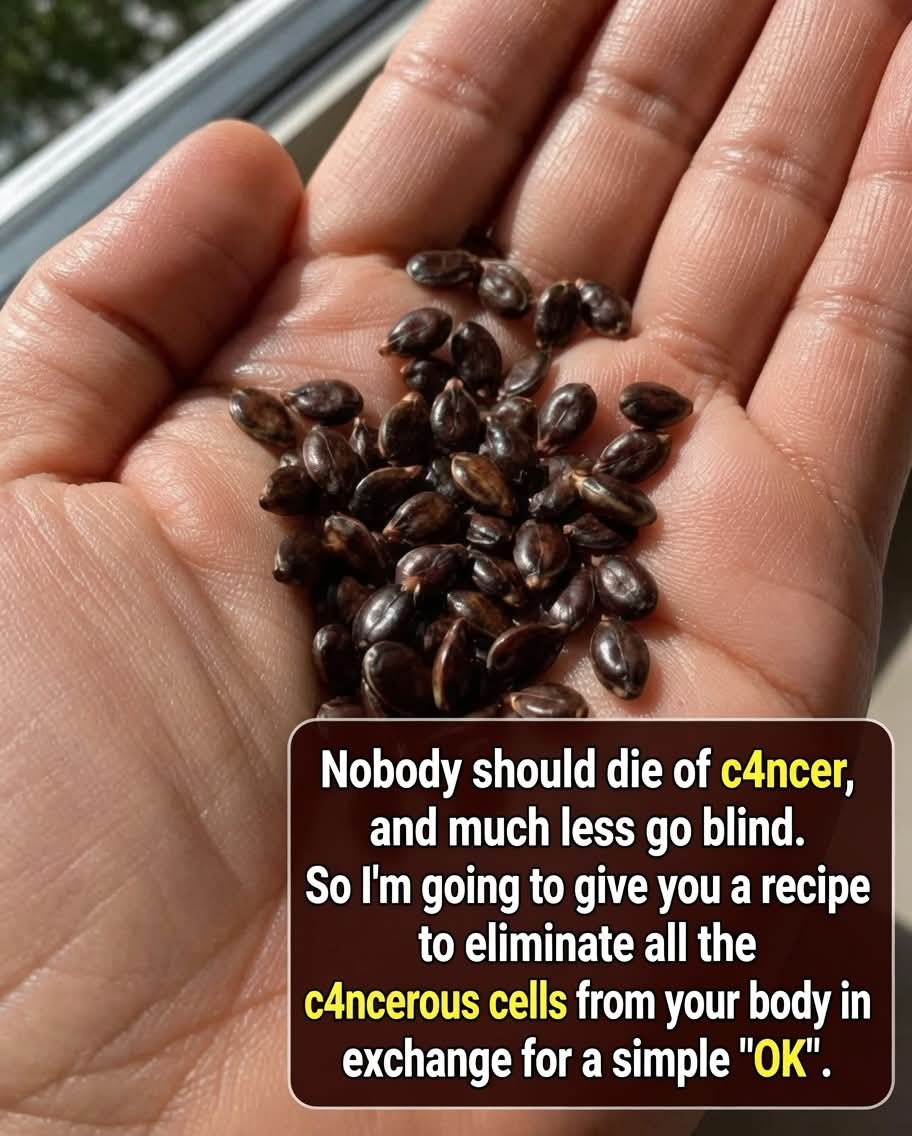
Apple Seeds and Cancer: Separating Scientific Facts from Common Myths
ADVERTISEMENT
