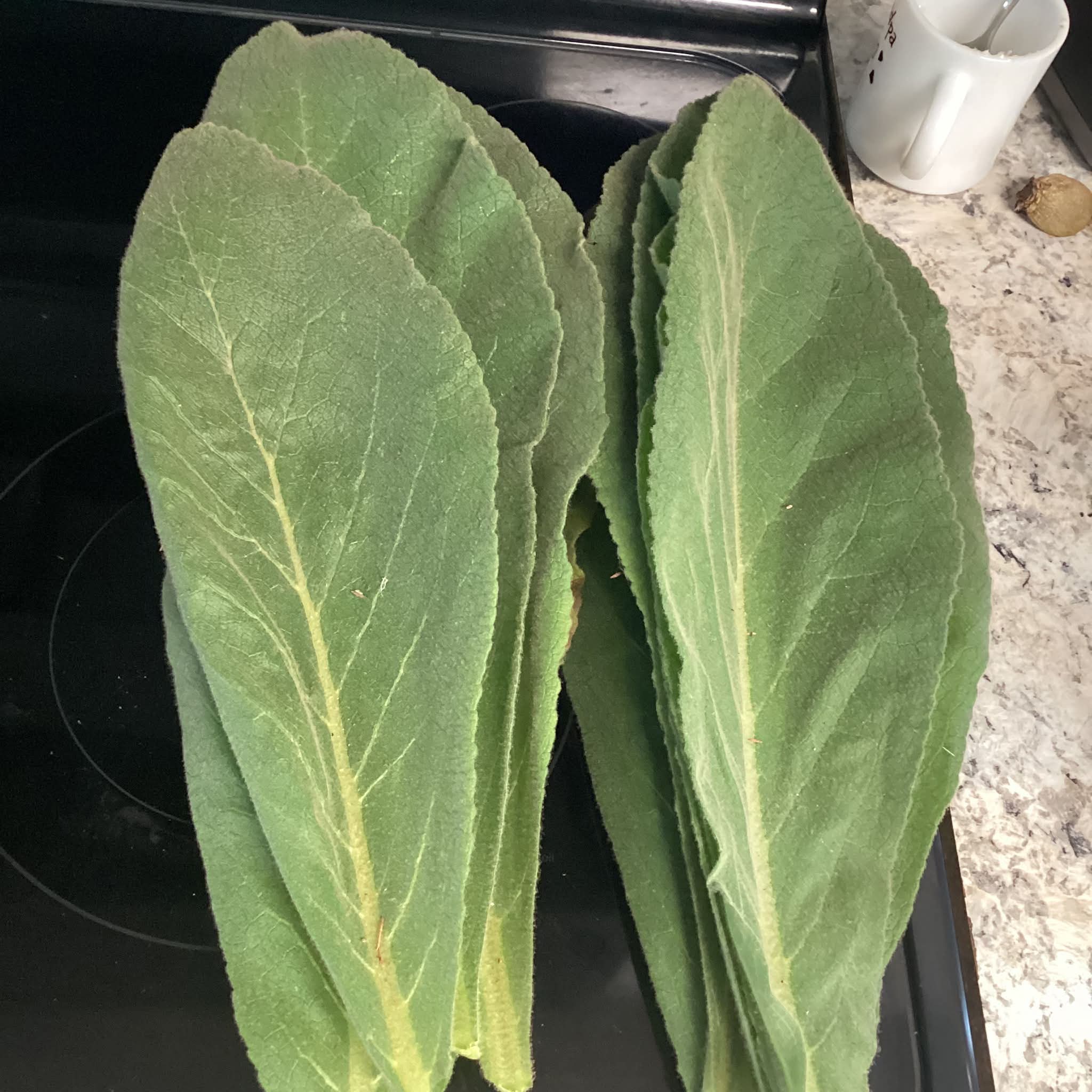
Are First-Year Mullein Leaves OK to Pick? A Beginner’s Guide to Harvesting Mullein 🌿
If you’re new to foraging or growing medicinal herbs, you may be wondering: “Are first-year mullein leaves okay to pick?” The short answer is yes! In fact, many herbalists prefer harvesting first-year mullein leaves because they are generally softer, more tender, and in excellent condition for drying and storing.
If you’re just getting started, here’s what you should know before you harvest.
What Is Mullein?
Mullein (Verbascum thapsus) is a biennial plant, meaning it completes its life cycle over two years.
- First year: The plant grows as a low rosette of large, soft, fuzzy leaves close to the ground.
- Second year: It sends up a tall flowering stalk that can reach several feet high, producing bright yellow flowers before setting seed.
Both the leaves and flowers have a long history of use in traditional herbal practices.
Are First-Year Leaves the Best?
Many people consider first-year leaves the ideal choice because they are:
- Softer and more tender
- Less likely to be damaged by insects or weather
- Easier to dry
- Often cleaner than older leaves
Second-year leaves can also be harvested, especially before the plant flowers, but they may be tougher or more weathered.
When Should You Harvest?
For the best quality leaves:
- Harvest on a dry day after the morning dew has evaporated.
- Choose healthy, vibrant green leaves.
- Avoid leaves that are yellow, spotted, moldy, or heavily insect-damaged.
- Pick before the plant begins flowering if possible.
How to Harvest Responsibly
Use clean scissors or garden snips to cut the leaves.
A few simple guidelines:
- Never harvest all the leaves from one plant.
- Leave enough foliage for the plant to continue growing.
- Harvest only from areas you know have not been sprayed with pesticides or herbicides.
- Avoid collecting plants growing beside busy roads, industrial sites, or contaminated areas.
If you’re harvesting from the wild, always follow local regulations and forage responsibly.
Cleaning the Leaves
Mullein leaves are covered with tiny fuzzy hairs that help protect the plant.
If the leaves look clean, many herbalists simply brush away dust rather than washing them, since excess moisture can slow the drying process. If washing is necessary, rinse them gently and pat them completely dry before drying or storing.
How to Dry Mullein Leaves
Proper drying helps preserve the leaves for later use.
Air-Drying
- Spread the leaves in a single layer on a drying rack or screen.
- Keep them in a warm, dry, well-ventilated area out of direct sunlight.
- Turn them occasionally for even drying.
Dehydrator
A food dehydrator set to a low temperature can speed up the process while helping preserve the herb’s quality.
The leaves are fully dry when they crumble easily.
Storing Dried Leaves
Store dried mullein in:
- Airtight glass jars
- Paper bags placed inside a sealed container
- Food-safe airtight containers
Keep them in a cool, dark, dry place.
Label each container with the harvest date. For the best quality, use dried herbs within about a year.
Common Beginner Mistakes
- Harvesting wet leaves
- Picking damaged or diseased plants
- Drying in humid conditions
- Storing before completely dry
- Harvesting from polluted areas
- Confusing mullein with other plants
Always positively identify any wild plant before harvesting or using it.
Traditional Uses
Mullein has been used in traditional herbal practices for centuries. The leaves and flowers have commonly been prepared as teas, infused oils, and other herbal preparations.
However, traditional use does not necessarily mean a treatment has been proven effective. More research is needed to confirm many of the health claims associated with mullein.
A Few Safety Notes
- Some people may experience skin irritation from the tiny hairs on the leaves. Wearing gloves while harvesting may help.
- If preparing mullein tea, strain it through a fine filter or cloth to remove the tiny hairs, which can be irritating if swallowed.
- If you are pregnant, breastfeeding, taking medications, or have a medical condition, consult your healthcare provider before using mullein as an herbal remedy.
Final Thoughts
For beginners, first-year mullein leaves are an excellent choice to harvest. They are usually tender, healthy, and easy to dry, making them a favorite among many herbal enthusiasts.
Take your time learning to identify the plant correctly, harvest responsibly, and dry the leaves thoroughly before storing them. With a little practice, you’ll gain confidence and enjoy adding this traditional herb to your herbal collection.
Happy harvesting! 🌿💚
