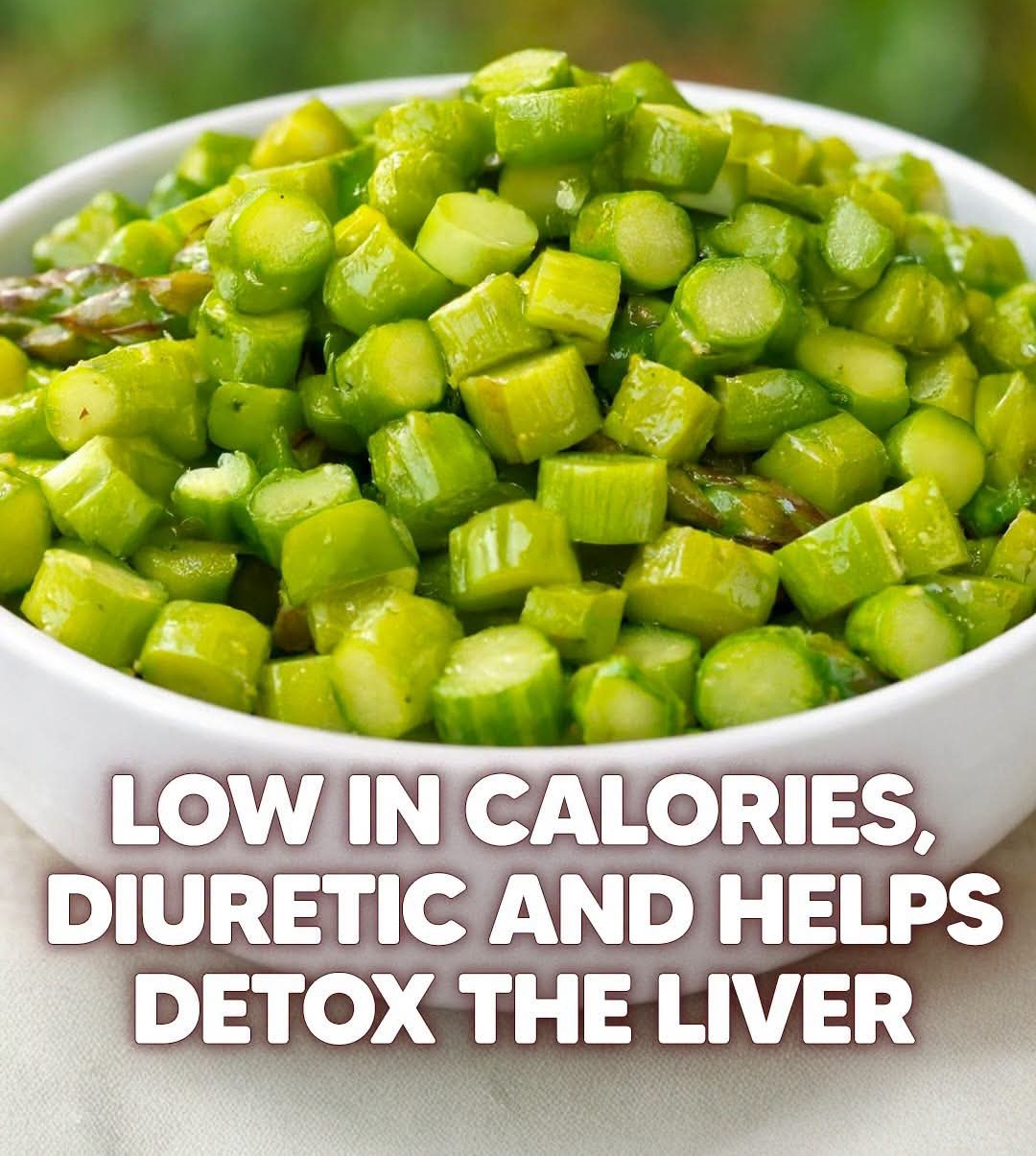
🌿 Asparagus: Benefits, Contraindications, and Delicious Ways to Use It in the Kitchen
Asparagus has been enjoyed for thousands of years and remains one of the most popular spring vegetables around the world. With its tender stalks, delicate flavor, and impressive nutritional profile, it’s a favorite among home cooks and chefs alike.
Whether you roast it, grill it, steam it, or add it to soups and salads, asparagus is a versatile ingredient that can fit into many healthy meals.
Let’s explore its nutritional benefits, who should be cautious about eating it, and the best ways to use it in the kitchen.
🌱 What Is Asparagus?
Asparagus is a perennial vegetable harvested from young shoots before they fully develop. The most common variety is green asparagus, but you may also find white and purple asparagus.
Its mild, earthy flavor pairs well with countless ingredients, making it one of the easiest vegetables to cook.
🥗 Nutritional Benefits
Asparagus is naturally low in calories while providing several important nutrients.
It contains:
- Dietary fiber
- Vitamin K
- Folate (Vitamin B9)
- Vitamin C
- Vitamin A
- Vitamin E
- Potassium
- Small amounts of iron and phosphorus
It’s also made up of mostly water, making it a light and refreshing addition to meals.
❤️ Potential Health Benefits
1. Rich in Antioxidants
Asparagus contains natural antioxidants, including vitamins C and E, along with plant compounds that help protect cells from oxidative stress.
A diet rich in a variety of antioxidant-containing fruits and vegetables supports overall health.
2. Supports Digestive Health
The fiber in asparagus contributes to healthy digestion and helps support regular bowel movements.
It also contains inulin, a type of prebiotic fiber that nourishes beneficial gut bacteria.
3. Good Source of Folate
Folate plays an important role in cell growth and DNA production.
It is especially important during pregnancy because adequate folate intake supports healthy fetal development. Pregnant individuals should follow their healthcare provider’s recommendations regarding folate intake.
4. Supports Bone Health
Asparagus provides vitamin K, a nutrient involved in normal blood clotting and bone health.
Vitamin K works alongside other nutrients, including calcium and vitamin D, to help maintain healthy bones.
5. Heart-Friendly Choice
Because it’s naturally low in saturated fat and sodium while containing fiber and potassium, asparagus can fit well into a heart-conscious eating pattern.
Overall dietary habits matter far more than any single food.
6. Naturally Low in Calories
A generous serving of asparagus provides very few calories, making it an excellent addition to balanced meals for those looking to increase their vegetable intake.
🌿 Why Does It Affect Urine Odor?
Many people notice a distinctive odor in their urine after eating asparagus.
This harmless effect is caused by naturally occurring sulfur-containing compounds that are broken down during digestion.
Not everyone notices the smell, and not everyone produces it to the same degree.
⚠️ Contraindications and Precautions
Although asparagus is healthy for most people, there are a few situations where caution may be appropriate.
People Taking Blood-Thinning Medication
Because asparagus contains vitamin K, people taking medications such as warfarin should avoid making sudden, major changes to their intake of vitamin K-rich foods without consulting their healthcare provider.
Consistency is generally more important than complete avoidance.
Kidney Stones
Asparagus contains purines, which are naturally occurring compounds found in many foods.
People with certain medical conditions, such as gout, may be advised by their healthcare provider to monitor their intake of high-purine foods as part of an overall dietary plan.
Allergies
Although uncommon, some individuals may be allergic to asparagus.
Anyone who experiences symptoms such as swelling, itching, hives, or difficulty breathing after eating asparagus should seek medical attention immediately.
Digestive Sensitivity
Because asparagus contains fiber and certain fermentable carbohydrates, some people with sensitive digestive systems may experience bloating or gas after eating large amounts.
Eating moderate portions may help reduce discomfort.
🍽️ Delicious Ways to Cook Asparagus
One reason asparagus is so popular is its versatility.
Some of the best cooking methods include:
Roasted
Roast with olive oil, garlic, salt, and pepper until tender and lightly browned.
Grilled
Grilling adds a smoky flavor that’s perfect for spring and summer meals.
Steamed
Steaming preserves its bright color and tender texture.
Sautéed
Cook quickly with butter or olive oil and finish with lemon juice.
Air Fried
Air frying creates slightly crispy tips while keeping the stalks tender.
🍳 Easy Meal Ideas
Asparagus works well in:
- Omelets
- Scrambled eggs
- Pasta dishes
- Risotto
- Stir-fries
- Soups
- Grain bowls
- Salads
- Quiches
- Pizza
- Roasted vegetable platters
It also pairs beautifully with salmon, chicken, steak, shrimp, mushrooms, Parmesan cheese, and fresh herbs.
🛒 How to Choose Fresh Asparagus
When shopping, look for:
- Bright green stalks
- Firm stems
- Closed, compact tips
- Fresh-looking cut ends
Avoid stalks that appear limp, dry, or mushy.
🧊 Storage Tips
Store asparagus upright in a jar with about an inch of water, much like fresh flowers, and loosely cover the tops with a plastic bag before refrigerating.
Alternatively, wrap the ends in a damp paper towel and place the asparagus in the refrigerator.
For the best flavor and texture, use it within a few days.
The Bottom Line
Asparagus is a nutritious, versatile vegetable that provides fiber, vitamins, minerals, and beneficial plant compounds while remaining naturally low in calories. For most people, it makes an excellent addition to a balanced diet.
Although certain individuals—such as those taking specific medications or managing particular health conditions—may need personalized dietary advice, asparagus is generally a healthy choice that can be enjoyed in countless delicious recipes.
Whether roasted, grilled, steamed, or added to your favorite pasta or salad, asparagus is a simple way to bring fresh flavor and valuable nutrients to your table.
💬 How do you like to eat asparagus? Roasted, grilled, steamed, wrapped in bacon, or added to pasta? Share your favorite recipe or cooking tip in the comments!
