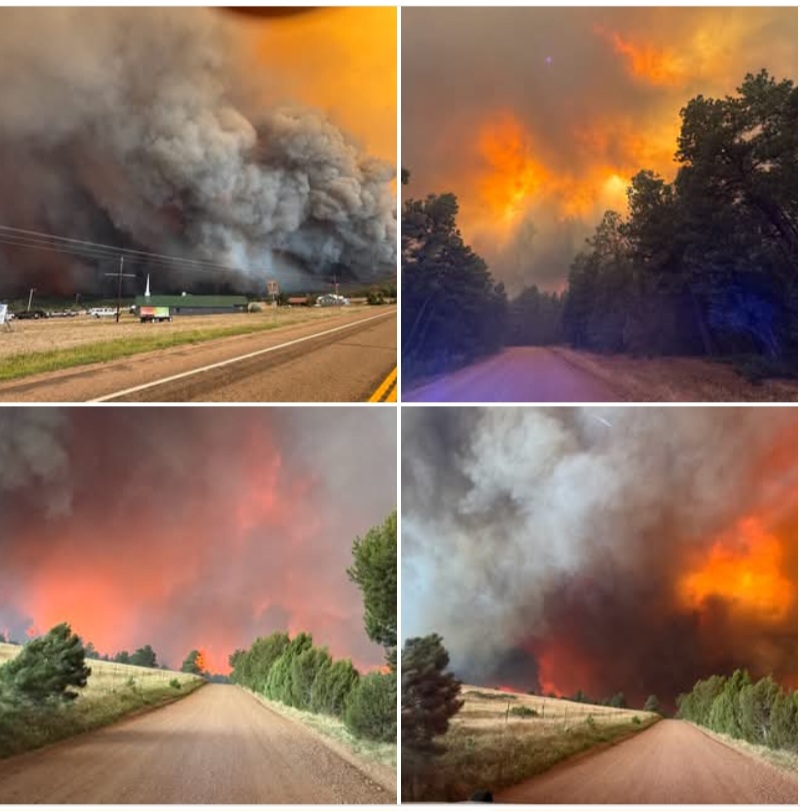
Aspen Acre Fire Grows Rapidly as High Winds Hamper Firefighting Efforts
Updated: 5:39 P.M.
A fast-moving wildfire known as the Aspen Acre Fire continues to expand under dangerous weather conditions, with officials estimating that the blaze has burned approximately 23,000 acres. Strong winds and rapidly changing fire behavior have made suppression efforts extremely challenging, prompting emergency officials to urge residents in affected areas to remain alert and follow evacuation instructions.
Extreme Winds Ground Aircraft
One of the biggest obstacles facing firefighters is the powerful wind. Gusts approaching 100 miles per hour have made it unsafe for firefighting aircraft to operate, leaving crews on the ground to battle the flames without the assistance of air tankers or helicopters.
Aerial firefighting is often one of the most effective tools for slowing the spread of large wildfires, especially in rugged terrain. However, when winds become too strong, aircraft operations must be suspended to protect pilots and crews.
As a result, firefighters are relying heavily on ground resources, fire engines, bulldozers, and hand crews to protect homes and establish containment lines where conditions allow.
Structures Have Been Impacted
Emergency officials have confirmed that an unspecified number of structures have been affected by the fire. Damage assessments are ongoing, and it may take time before the full extent of property losses is known.
Residents are encouraged to avoid returning to evacuated areas until authorities determine it is safe to do so. Active fire zones can contain hidden hazards such as fallen power lines, unstable structures, hot spots, and poor air quality.
Advice for Livestock Owners
Officials have also issued an important reminder for ranchers and livestock owners.
If evacuation becomes necessary and you are unable to transport your livestock, emergency guidance often recommends opening gates or cutting fences so animals have a chance to escape advancing flames instead of becoming trapped inside enclosed pastures.
Whenever possible, livestock owners should:
- Evacuate animals early before conditions deteriorate.
- Move livestock to designated safe areas if available.
- Ensure animals have access to water whenever it is safe to do so.
- Follow instructions from local emergency management officials.
Public Safety Comes First
Wildfires can change direction with little warning, particularly during periods of extreme wind. Residents in affected areas should remain prepared to leave immediately if evacuation orders are issued.
Safety recommendations include:
- Monitor official emergency alerts and local authorities for updates.
- Follow evacuation orders without delay.
- Prepare an emergency kit with medications, important documents, clothing, food, water, and pet supplies.
- Keep vehicles fueled and ready in case evacuation becomes necessary.
- Avoid driving into active fire areas unless directed by emergency personnel.
Fire Conditions Remain Dynamic
Wildfire conditions can evolve rapidly as weather, terrain, and wind patterns change. Acreage estimates, containment levels, evacuation zones, and damage reports may change throughout the day as firefighters continue their response.
Residents should rely on official emergency management agencies and local fire authorities for the most accurate and up-to-date information regarding evacuations, road closures, and public safety.
Final Thoughts
The Aspen Acre Fire serves as a reminder of how quickly wildfires can grow under extreme weather conditions. With powerful winds limiting aerial firefighting efforts and crews working tirelessly on the ground, community awareness and cooperation remain essential.
Anyone living near the affected area should stay informed through official emergency channels, remain prepared to act quickly, and prioritize personal safety above all else as firefighters continue working to protect lives, homes, and communities.
Note: Since this is a developing news story, update the article as new information becomes available and clearly attribute facts to the relevant fire or emergency management authorities.
