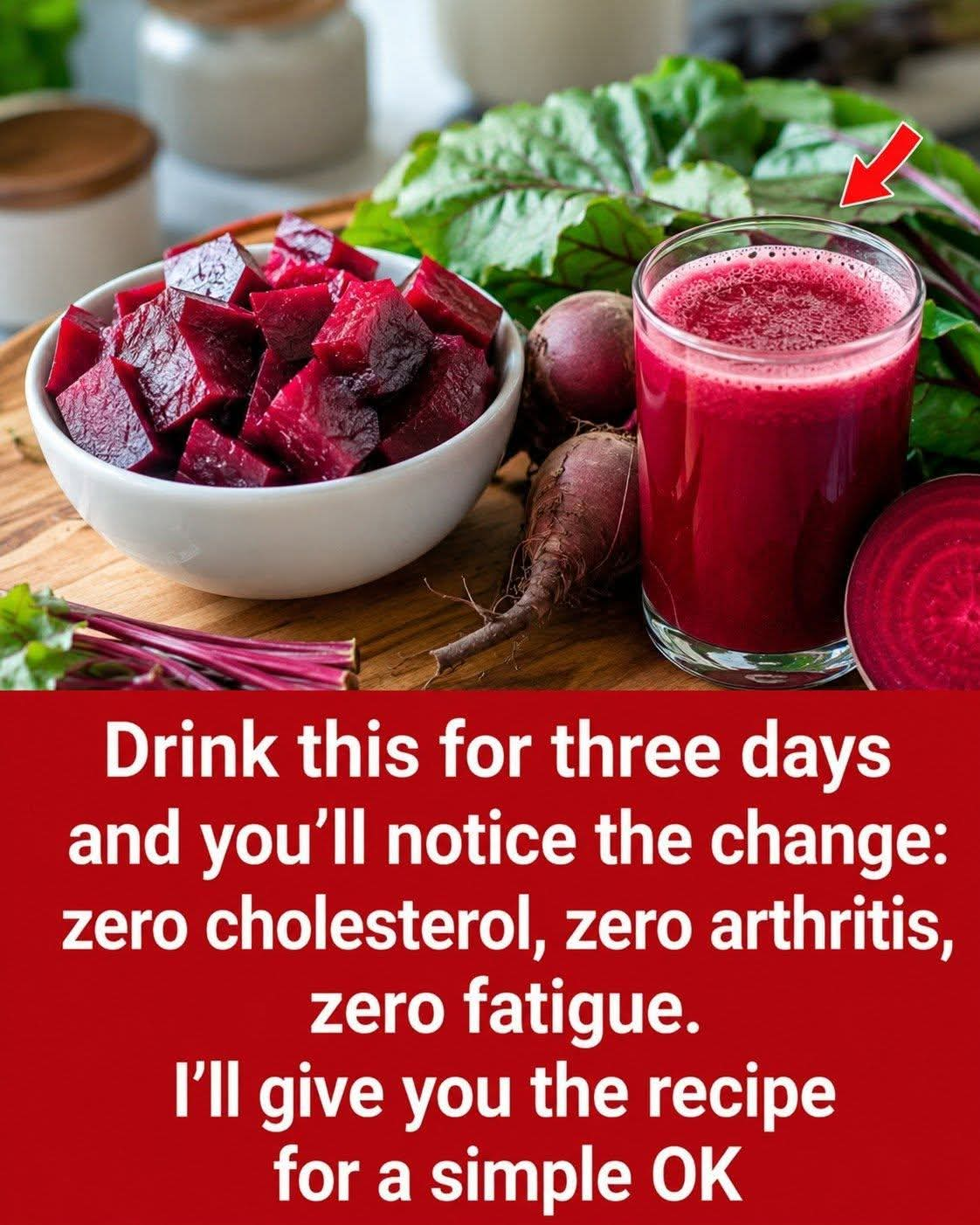
Beetroot juice is not a cure for high cholesterol, arthritis, or persistent fatigue.
- For cholesterol: Beetroot juice does not reliably eliminate high cholesterol. Soluble fiber from foods such as oats, beans, and lentils can help lower LDL cholesterol.
- For arthritis: Beetroot juice has not been shown to cure arthritis or reverse joint damage. Persistent joint pain deserves appropriate medical assessment.
- For fatigue: Ongoing tiredness can have many causes, including anemia, sleep problems, thyroid conditions, and other illnesses. Juice alone may not address the underlying cause.
- For kidney stones: Beetroot is relatively high in oxalates. If you have calcium oxalate kidney stones or have been advised to limit oxalates, ask your healthcare professional whether beetroot juice is suitable for you.
- For low blood pressure or blood-pressure medication: Beetroot juice may lower blood pressure, so check with your healthcare professional if you are prone to low blood pressure or take medication that lowers it.
Beetroot can also temporarily turn urine or stools pink or reddish. This is often harmless, but do not automatically assume unexplained bleeding is caused by beetroot.
🧊 How to Store Homemade Beetroot Juice
Fresh juice is best consumed immediately. If you need to store it, place it in a clean, airtight container in the refrigerator and drink it within 24–48 hours. Discard it if it develops an unusual smell, appearance, or taste.
🌿 Final Thoughts
This simple beetroot juice recipe is refreshing, colorful, and easy to prepare at home. Enjoy it alongside balanced meals, regular physical activity, and adequate sleep rather than relying on it as a miracle remedy.
Have you tried fresh beetroot juice before? Would you drink it plain, or would you add apple, lemon, carrot, and ginger for extra flavor? 🍎🍋🥕
I can also share a beetroot, carrot, apple, and ginger recipe with exact measurements or a heart-healthy meal plan to help manage cholesterol.
