In a world where plants are often lauded for their beauty and their ability to breathe life into our spaces, one particular plant stands out for its elegance and resilience. This is a plant that requires minimal attention yet rewards its caretakers with its striking appearance. Known for its glossy, deep green leaves that look polished even without a drop of water, this plant has become a favorite for those seeking beauty with low maintenance.Meet the ZZ plant (Zamioculcas zamiifolia), a marvel of nature that combines aesthetic appeal with incredible hardiness. Originating from Eastern Africa, this plant is perfectly adapted to survive in environments with scarce water, making it a perfect choice for both novice and experienced plant enthusiasts alike. Discover why the ZZ plant is often hailed as the ‘low maintenance gold’ in the world of houseplants.1. Meet the ZZ Plant: The Glossy, Nearly Indestructible HouseplantThe ZZ plant, scientifically known as Zamioculcas zamiifolia, is a perennial favorite among houseplant enthusiasts. Its trademark glossy leaves are not just for show; they are a testament to the plant’s evolutionary adaptations to survive in its native arid environments. Typically, the plant grows to about 2 to 3 feet tall indoors, although in its natural habitat it can reach up to 5 feet.Its stems are thick and fleshy, storing water for drought periods, which contributes to the plant’s robustness. The ZZ plant is also known for its slow growth rate, making it a perfect choice for indoor settings where space might be limited. It’s virtually indestructible, thriving in a variety of conditions that would challenge most other houseplants.2. Why the ZZ Plant’s Naturally Shiny Leaves Look Polished Without EffortThe ZZ plant’s leaves are not only glossy but also remarkably efficient. This natural shine is due to a waxy coating called a cuticle, which serves to reduce water loss and protect the plant from pests and disease. This adaptation is particularly useful in arid climates where water conservation is crucial.The cuticle also plays a role in the plant’s ability to reflect light, making it appear even glossier under indoor lighting conditions. It’s this characteristic that gives the ZZ plant its distinctive, polished look without requiring any additional care or cleaning.3. How the ZZ Plant Survives Weeks Without WaterThe ZZ plant is a master of drought survival, owing much of its resilience to its rhizomes—thick, bulbous root structures that store water. These rhizomes act as reserves, allowing the plant to endure long periods without irrigation. In their natural habitat, ZZ plants can survive for months without rainfall, relying solely on the water stored in these underground reservoirs.Indoors, this means that ZZ plants can comfortably go without water for 2 to 3 weeks, and sometimes even longer, depending on environmental conditions. This trait makes them particularly suited for those who travel frequently or are new to plant care.4. The Ideal Light Conditions: From Dim Corners to Bright OfficesZZ plants are incredibly adaptable when it comes to lighting conditions. While they thrive in bright, indirect light, they are also capable of surviving in low-light environments. This makes them an excellent choice for offices and interior spaces that lack natural sunlight.However, for optimal growth, placing them in a spot that receives filtered light will help maintain their vibrant color and encourage new growth. Avoid direct sunlight, as it can scorch the leaves, leading to browning or fading.5. Watering ZZ Plants: The Foolproof Low-Maintenance RoutineWatering a ZZ plant is a straightforward task, as these plants prefer to dry out completely between waterings. To achieve this, allow the top 2 to 3 inches of soil to dry out before watering again. A simple way to test this is by sticking your finger into the soil; if it feels dry, it’s time to water.Overwatering is a common mistake with ZZ plants, often leading to root rot. Ensuring that your plant’s pot has good drainage will prevent water from pooling at the bottom, safeguarding your plant’s health.6. Potting Mix, Drainage, and Repotting: Setting Your ZZ Up for SuccessAn ideal potting mix for a ZZ plant is one that is well-draining, such as a cactus or succulent mix. Adding perlite or sand can improve drainage further, preventing water from sitting in the soil.AdvertisementZZ plants do not require frequent repotting due to their slow growth. However, repotting every 2 to 3 years can help refresh the soil and provide more space for the growing rhizomes. Always choose a pot with drainage holes to prevent water accumulation.7. ZZ Plant Varieties: From Classic Green to Raven and Variegated StarsWhile the classic ZZ plant is known for its deep green leaves, several varieties offer different visual appeals. The ‘Raven’ ZZ plant is a striking variant with nearly black foliage that adds a dramatic touch to any room.Another popular variety is the variegated ZZ plant, which features leaves with creamy white or yellow streaks. These unique varieties provide options for those looking to add diversity to their plant collections.8. Common ZZ Plant Problems and How to Fix Them FastAdvertisementOne of the most common issues with ZZ plants is yellowing leaves, usually a result of overwatering. Adjusting the watering schedule and ensuring proper drainage can quickly remedy this.Pests are rare but can occasionally affect ZZ plants, with mealybugs being the most common. These can be treated with insecticidal soap or neem oil. Regularly wiping the leaves can also help prevent pest infestations.9. Is the ZZ Plant Toxic? Safety Tips for Pets and ChildrenThe ZZ plant contains calcium oxalate crystals, which can be toxic if ingested by pets or humans. Symptoms may include irritation of the mouth and throat, so it’s advisable to keep the plant out of reach of curious pets and children.AdvertisementWearing gloves when handling the plant can prevent skin irritation, and washing hands afterwards is also recommended as a precautionary measure.10. Styling Your Space With ZZ Plants: Decor Ideas for Every RoomZZ plants are incredibly versatile when it comes to home decor. Their upright growth habit makes them ideal for floor placement in living rooms or entryways, where they can be showcased in decorative pots.For smaller spaces, such as bathrooms or kitchens, placing a ZZ plant on a countertop or shelf can add a touch of greenery without taking up much room. Their ability to thrive in low light means they can complement areas of the home that may not be suitable for other plants.11. Where to Buy a Healthy ZZ Plant and What to Look ForWhen purchasing a ZZ plant, look for healthy, vibrant leaves with no signs of yellowing or browning. The plant should have a sturdy, upright growth habit, and the soil should not be overly saturated.ZZ plants can be found at most garden centers, nurseries, and online plant retailers. Choosing a reputable seller ensures you receive a healthy plant free from pests and diseases.
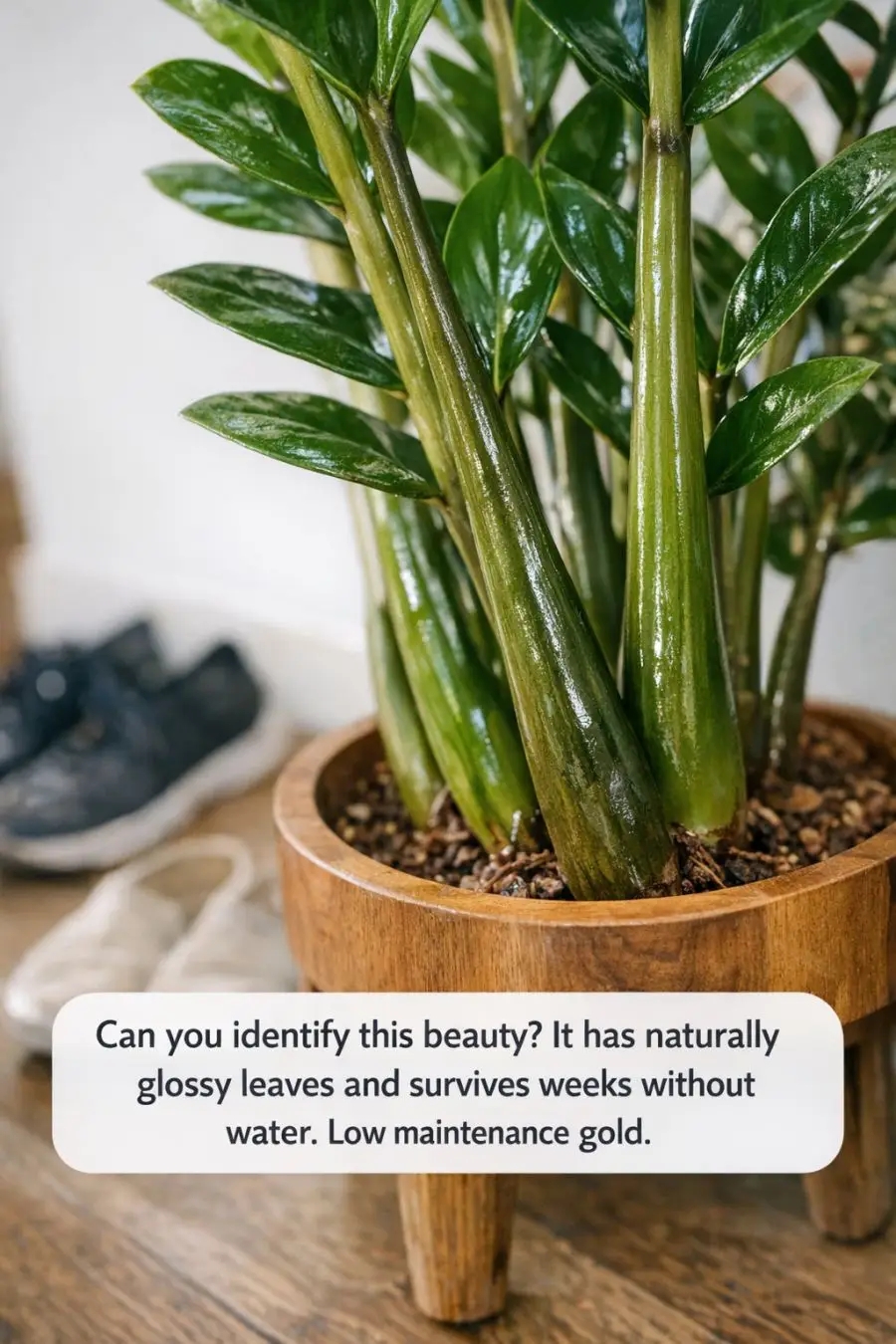
Can you identify this beauty? It has naturally glossy leaves and survives weeks without water. Low maintenance gold
ADVERTISEMENT
