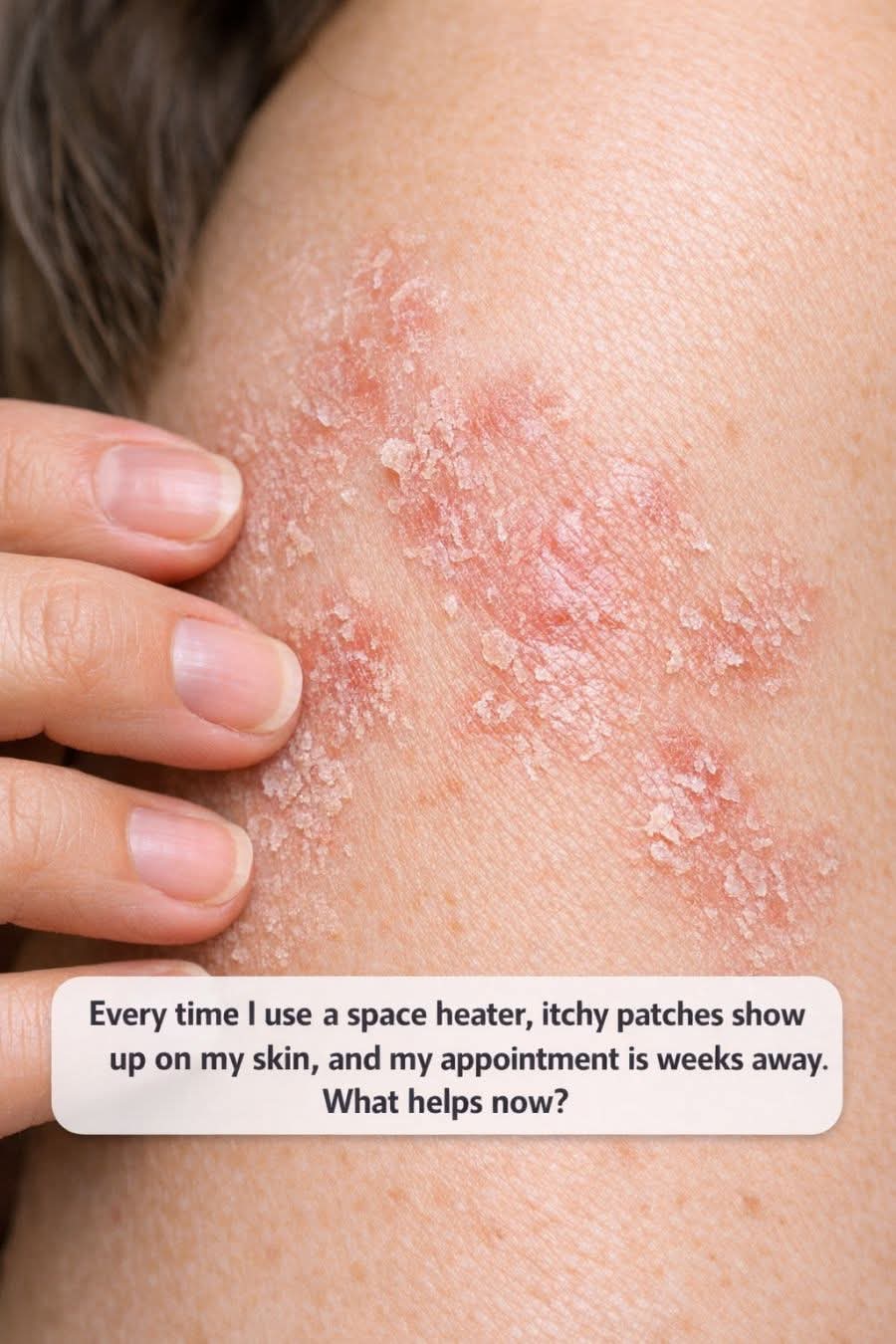
With the drop in temperature, many people turn to space heaters for a quick source of warmth. However, while these devices offer a cozy reprieve from the chill, they can also have unforeseen consequences on your skin. If you find yourself dealing with itchy patches every time you use a space heater, you’re not alone. The dry, heated air can wreak havoc on your skin, leaving it feeling parched and irritated.
Understanding the underlying causes and taking proactive measures can help alleviate the discomfort and restore your skin’s health. While your dermatology appointment may be weeks away, there are several immediate steps you can take to manage the symptoms and prevent further irritation.
1. Why Space Heaters Can Make Your Skin Itchy and Patchy
Space heaters are notorious for drying out the air in a room. When the ambient humidity drops, the moisture in your skin can quickly evaporate, leading to dryness. This is especially true in winter months when the air is already low in humidity. When the relative humidity falls below 30%, your skin can lose its natural oils and moisture, resulting in xerosis, or dry skin.Additionally, the close proximity to a heat source can increase blood flow to the skin’s surface, causing redness and itchiness. This is often exacerbated by the fact that many people don’t realize how much their skin is drying out until they experience the discomfort of itching and flaking.
2. How To Tell If It’s Heat-Related Xerosis Versus Something More Serious
Heat-related xerosis typically presents as dry, flaky skin that may feel tight or itchy. It often affects areas like the legs, arms, and face, where the skin is thinner and more prone to moisture loss. In contrast, more serious conditions like eczema or psoriasis may present with red, inflamed patches, scaling, or even blistering.If you notice any severe redness, swelling, or oozing, or if the itching is accompanied by other symptoms like fever or fatigue, it’s important to seek medical attention. These could be signs of an infection or an underlying condition that requires prompt treatment.
3. Immediate First Aid: Simple Steps To Calm the Itch TodayTo immediately soothe itchy skin, start by applying a cool, damp cloth to the affected area. This can help reduce inflammation and provide temporary relief from itching. Over-the-counter hydrocortisone cream can also be effective in reducing itchiness and irritation.
It’s important to resist the urge to scratch, as this can further damage the skin and lead to infection. Instead, gently pat the area or use a soft brush to lightly exfoliate any dry patches. Applying a thick, fragrance-free moisturizer immediately after can help lock in moisture and protect the skin barrier.
4. Moisturizing Like a Pro: What To Use, When, and How OftenChoose a moisturizer that is specifically formulated for dry skin. Look for ingredients like hyaluronic acid, glycerin, and ceramides, which help retain moisture and repair the skin barrier. Apply moisturizer at least twice a day, ideally right after bathing when your skin is still damp, to lock in hydration.
For particularly dry areas, consider using an ointment or balm, which contains more oils and provides a stronger barrier against moisture loss. Remember to reapply frequently, especially after washing your hands or face.
5. Smart Space Heater Hacks: Adjusting Heat, Distance, and HumidityTo minimize the drying effects of your space heater, try to keep it at a lower setting. This can help maintain a more consistent and moderate temperature, reducing the risk of sudden moisture loss from the skin. Position the heater at least three feet away from your skin to avoid direct exposure to heat.Consider using a humidifier in conjunction with your space heater. This can help maintain indoor humidity levels between 30-50%, which is ideal for skin health. Regularly check and refill the humidifier to ensure it is functioning properly.
6. Shower and Bath Tweaks That Prevent Further Drying and Irritation
Long, hot showers may feel comforting in cold weather but can strip your skin of essential oils, exacerbating dryness. Opt for shorter, lukewarm showers instead, ideally no longer than 10 minutes, to minimize moisture loss.Use a gentle, fragrance-free cleanser to avoid further irritation. Harsh soaps can disrupt your skin’s natural barrier, leading to increased dryness and irritation. After bathing, gently pat your skin dry with a towel and apply moisturizer immediately to lock in moisture.
7. Fabrics, Detergents, and Daily Habits That Can Make Patches WorseCertain fabrics, like wool or synthetic fibers, can irritate sensitive skin. Opt for soft, breathable fabrics like cotton to reduce friction and discomfort. Pay attention to the labels on your clothing and choose hypoallergenic options when possible.
Detergents and fabric softeners can also contribute to skin irritation. Use fragrance-free, hypoallergenic products to minimize the risk of allergic reactions or irritation. Additionally, avoid using too much detergent, as residues left on clothes can irritate the skin.
8. Over-the-Counter Creams and Anti-Itch Remedies That Actually HelpThere are several over-the-counter creams and ointments designed to combat dryness and itchiness. Look for products containing colloidal oatmeal, which has soothing properties, or creams with menthol, which can provide a cooling sensation to relieve itching.Antihistamine creams can also be effective in reducing itchiness caused by dry skin. However, it’s important to follow the instructions carefully and consult with a pharmacist if you’re unsure about which product to choose.
9. Red-Flag Symptoms: When To Seek Urgent Care Before Your Appointment
If your skin condition worsens or you develop additional symptoms such as severe pain, blistering, or signs of infection like pus or red streaks, seek medical attention promptly. These could indicate a more serious condition requiring immediate treatment.Persistent symptoms that do not respond to over-the-counter treatments, or if the condition is spreading rapidly, also warrant a visit to a healthcare professional. Prompt intervention can prevent complications and ensure appropriate management.
10. How To Track Your Symptoms So Your Dermatology Visit Pays OffKeeping a detailed record of your symptoms can be incredibly helpful for your dermatologist. Note the onset, duration, and severity of your symptoms, along with any triggers you suspect, such as exposure to space heaters or certain fabrics.
Take photographs of the affected areas to show how the condition changes over time. Document any treatments you’ve tried and their effects. This information can guide your dermatologist in making an accurate diagnosis and developing an effective treatment plan.
11. Small Lifestyle Changes Now That Protect Your Skin All WinterMaking small adjustments to your daily routine can significantly impact your skin’s health during the winter months. Stay hydrated by drinking plenty of water throughout the day to help maintain skin moisture from the inside out.Incorporate omega-3 fatty acids into your diet, which can support skin health and reduce inflammation. Foods like salmon, walnuts, and flaxseeds are excellent sources. Additionally, consider using a room humidifier in your bedroom at night to maintain optimal humidity levels while you sleep, ensuring your skin stays hydrated and healthy.
