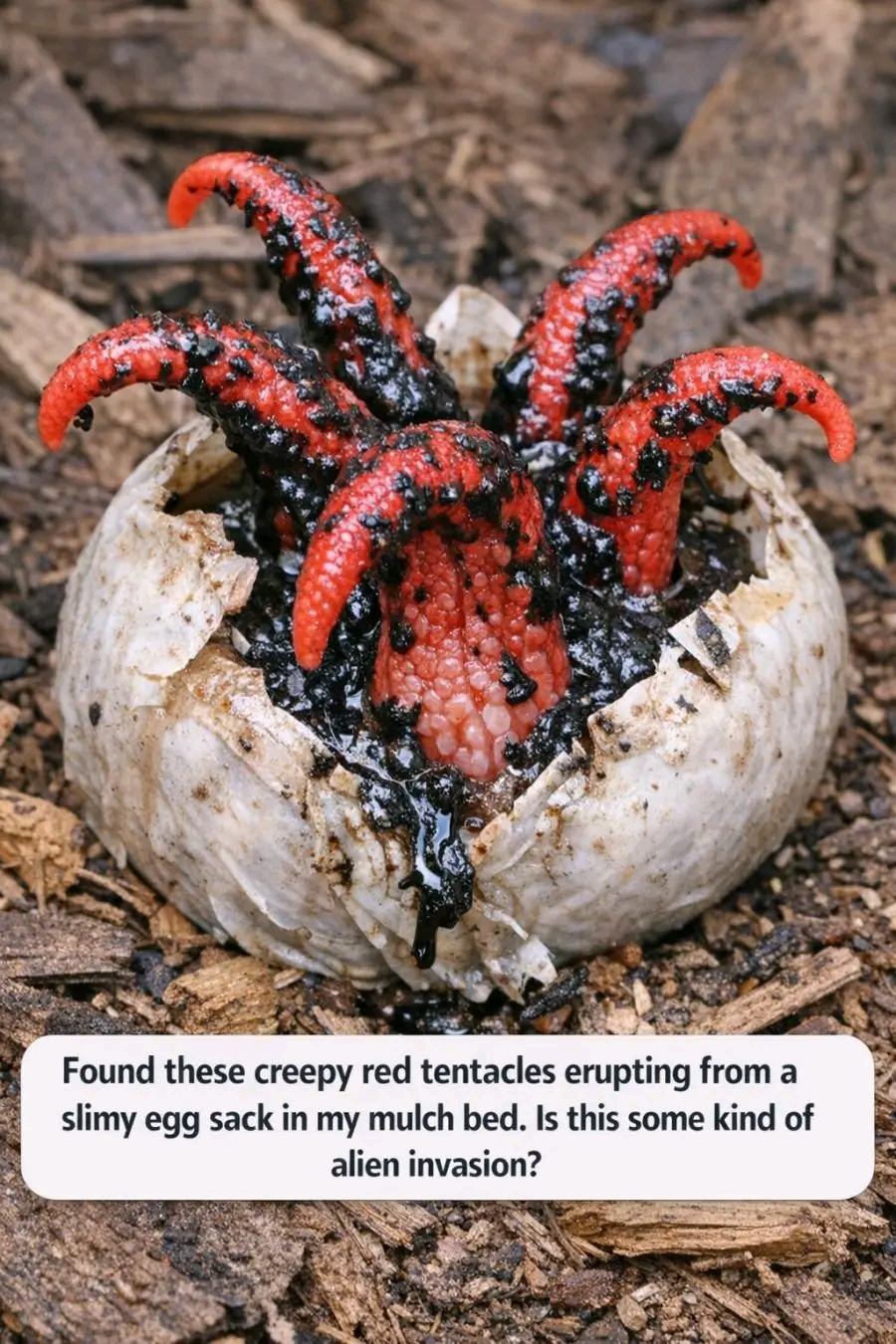
7. Where Devil’s Fingers Naturally Grow — And Why It’s SpreadingOriginally native to the Southern Hemisphere, Devil’s Fingers has expanded its range significantly over the past century. It is now found in parts of Europe, North America, and Asia, primarily due to global trade and the movement of soil and plant materials.The spread of Devil’s Fingers is facilitated by its ability to adapt to a wide range of climates and its reliance on insects for spore dispersal. As long as suitable conditions exist, the fungus is likely to thrive and continue its expansion into new territories.
8. What To Do If You Find Devil’s Fingers In Your GardenIf you discover Devil’s Fingers in your garden, there is generally no need for alarm. The fungus will typically disappear on its own once it has completed its reproductive cycle. However, if the odor is bothersome or you prefer to remove it, simply don protective gloves and dispose of the fungus in a sealed bag.It’s also helpful to reduce the favorable conditions for the fungus by improving garden drainage and removing excess organic material, which can limit its future growth.
9. Can You Prevent It? Mulch, Moisture, And Other Risk FactorsPreventing the growth of Devil’s Fingers involves managing the conditions that favor its development. Since the fungus thrives in moist, nutrient-rich environments, consider reducing the amount of mulch or organic matter in your garden and ensuring proper drainage to minimize moisture retention.Regularly turning your mulch can also help disrupt the growth of the fungus by disturbing its life cycle. Additionally, maintaining a tidy garden, free from excess debris, can reduce the likelihood of fungal growth.
10. Other Creepy Look-Alike Fungi You Might Mistake For AliensSeveral other fungi share the unsettling appearance of Devil’s Fingers, often leading to confusion among gardeners. The Octopus Stinkhorn (Clathrus columnatus) and the Basket Stinkhorn (Clathrus ruber) are two such examples, both featuring bizarre structures and foul odors.These fungi, like Devil’s Fingers, are part of the stinkhorn family and serve similar ecological roles in decomposition. While their forms may differ, they all share the characteristic of attracting insects with their smell to aid in spore dispersal.
11. When To Call An Expert About Strange Growths In Your YardWhile most fungal growths in your garden are harmless and can be managed with simple measures, there are times when consulting an expert may be beneficial. If you notice an unusual increase in fungal growth, or if the fungi are affecting the health of your plants, a local horticulturist or mycologist can provide guidance.Additionally, if you’re unsure about the identification of a particular fungus or concerned about its potential impact on your garden’s ecosystem, seeking professional advice can offer peace of mind and ensure your garden remains healthy.
