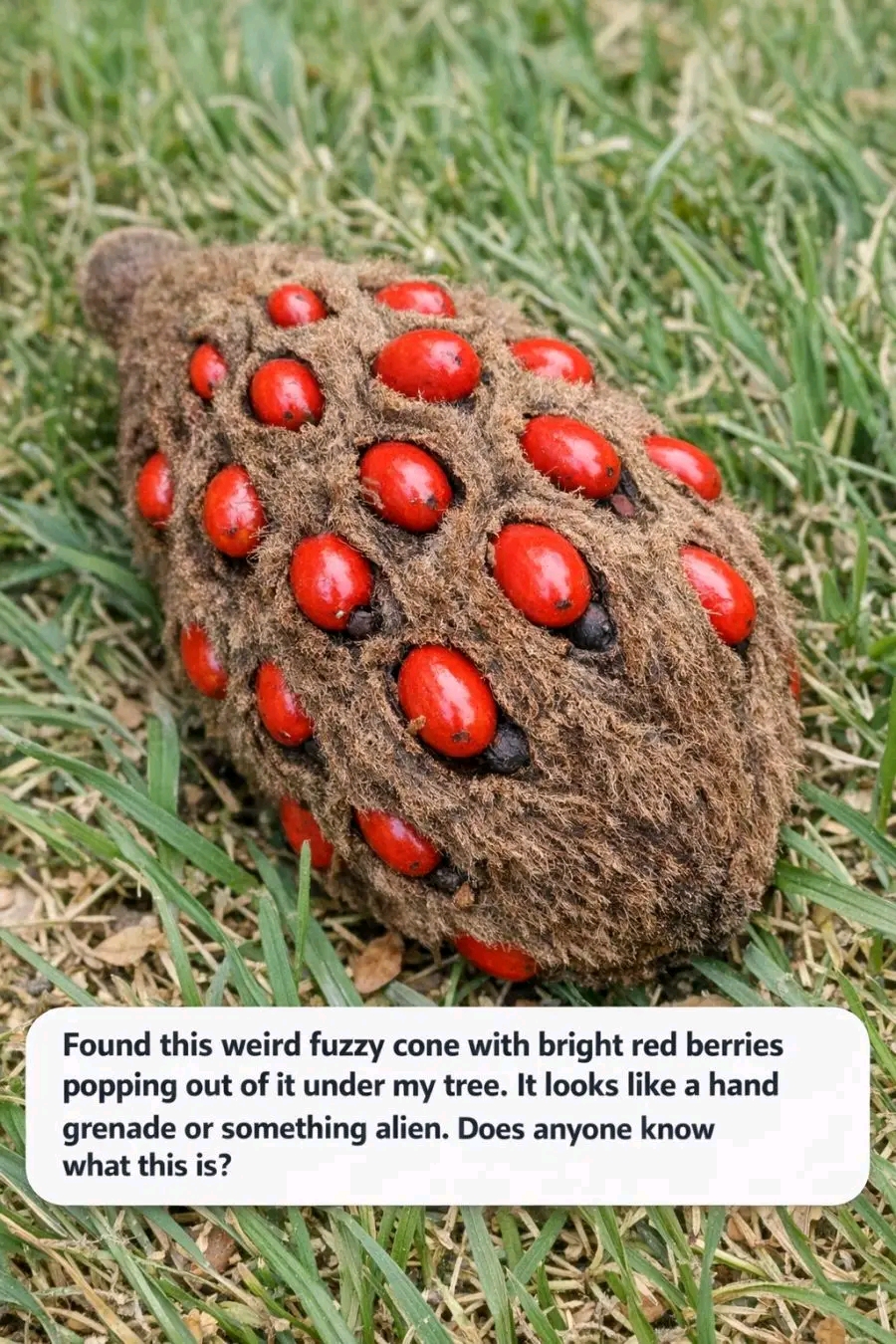
7. Wildlife That Loves Magnolia SeedsMagnolia seeds are a valuable food source for a variety of wildlife. Birds such as cardinals, finches, and grosbeaks are particularly fond of the seeds, often seen plucking them from the pods. Mammals such as squirrels and small rodents also partake in the feast, and their foraging activities can help spread the seeds. This symbiotic relationship between magnolia trees and wildlife plays a crucial role in the ecosystem, promoting biodiversity and the regeneration of forested areas.
8. How To Tell Magnolia Pods From Dangerous Look-AlikesWhile magnolia seed pods are generally harmless, some seed-bearing structures in nature can be toxic. To differentiate magnolia pods from potentially dangerous look-alikes, focus on their unique characteristics: the fuzzy, cone-like shape, and the bright red seeds. Additionally, magnolia pods are usually found beneath magnolia trees with distinctive large leaves and flowers. If you’re unsure, consulting a local botanist or using a plant identification app can provide peace of mind.
9. What To Do If You Find These Pods In Your YardIf you discover magnolia seed pods in your yard, there’s no need for alarm. They can be left in place to decompose naturally, enriching the soil with organic matter. Alternatively, you can collect them for decorative purposes or craft projects, as their unique appearance makes them a striking addition to autumnal displays. If you’re interested in propagating new magnolia trees, you can also attempt to germinate the seeds, though this process requires patience and specific conditions.
10. Can You Grow a New Magnolia From These Seeds?Growing a new magnolia tree from seeds can be a rewarding endeavor, but it does require some effort and patience. The seeds need to be stratified, a process that involves exposing them to cold, moist conditions for several months to break dormancy. This can be achieved by placing the seeds in a refrigerator in a damp paper towel or sand. Once stratified, the seeds can be planted in a well-draining soil mix and kept in a warm, sunny location. Germination can take several weeks to months, and young seedlings should be protected from harsh weather conditions as they grow.
11. Fun, Strange Facts About Magnolia Seed PodsMagnolia trees are ancient plants, with fossil records dating back over 95 million years, making them one of the oldest flowering plant groups. This long evolutionary history has allowed them to develop unique adaptations, such as their striking seed pods. Another interesting fact is that magnolia flowers do not produce true nectar; instead, they attract pollinators with fragrant oils and protein-rich pollen. This evolutionary strategy predates the rise of bees, which is why magnolia flowers are often pollinated by beetles, further highlighting their ancient lineage.
