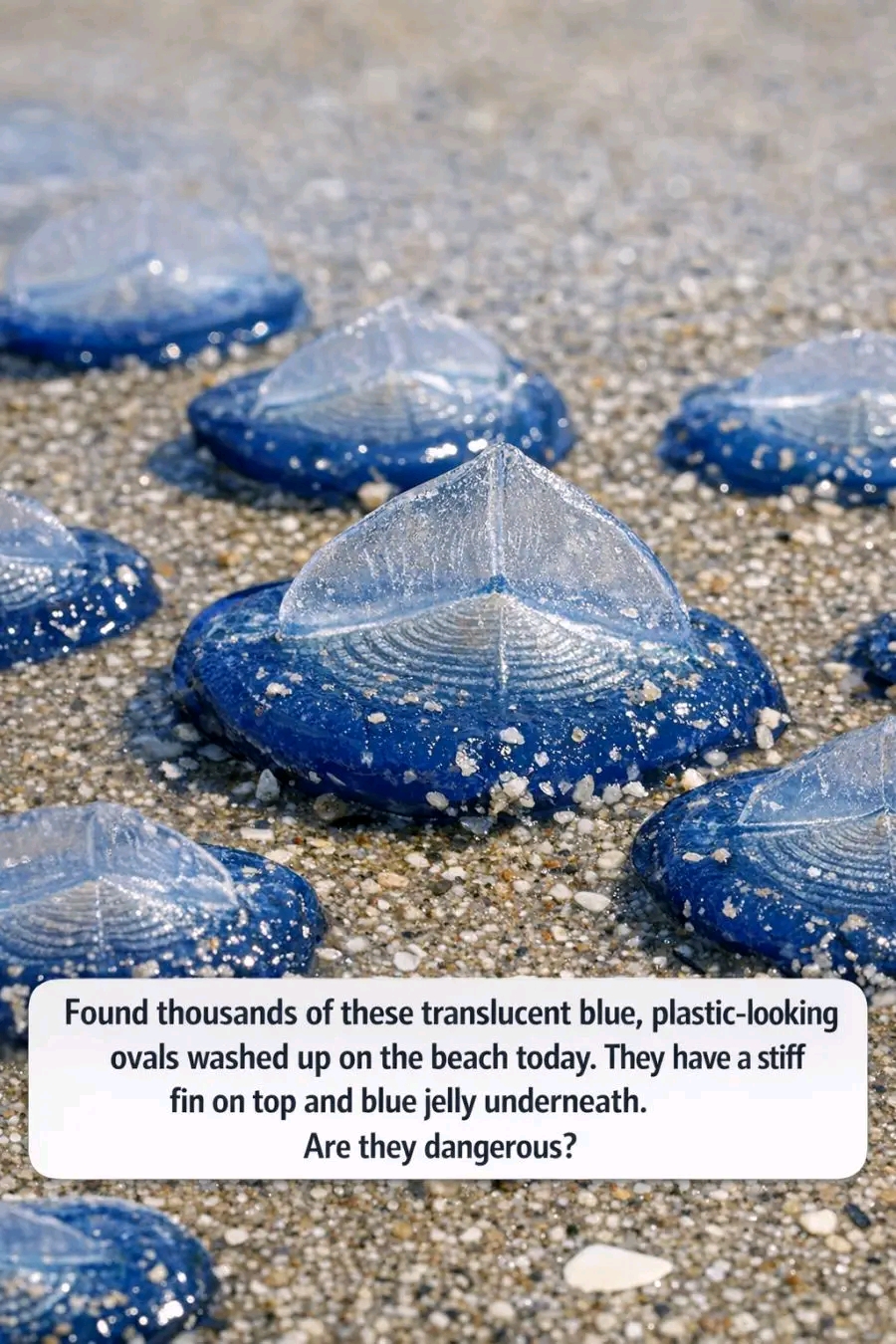
4. Risks For Children, Pets, And Sensitive SkinWhile Velella velella are not dangerous, children and pets may be more sensitive to their stinging cells. It’s advisable to keep an eye on curious little ones and pets who might try to pick them up or ingest them. For pets, particularly dogs, ingestion of large quantities might lead to gastrointestinal upset.For those with sensitive skin or known allergies, contact may cause mild irritation or a rash. In such cases, washing the affected area with soap and water usually alleviates any discomfort.
5. What Happens If You Get Stung Anyway?If you do experience a sting from a Velella velella, it is likely to be very mild. Most people report only a slight tingling sensation or irritation. Washing the area with seawater, followed by fresh water, and applying a soothing lotion or cream can help.If any unusual symptoms occur, such as persistent pain, swelling, or an allergic reaction, it’s advisable to seek medical attention. Such reactions are rare, but it’s always better to err on the side of caution.
6. Why Thousands Wash Up On Beaches At OnceMass strandings of Velella velella are not uncommon and are usually the result of wind and ocean currents. These organisms drift on the ocean’s surface, using their sails to catch the wind. When strong onshore winds occur, they can be blown onto beaches in large numbers.This phenomenon is more common in spring and summer months when weather conditions favor such strandings. While it may seem alarming to see thousands washed up at once, it is a natural event that has been occurring for centuries.
