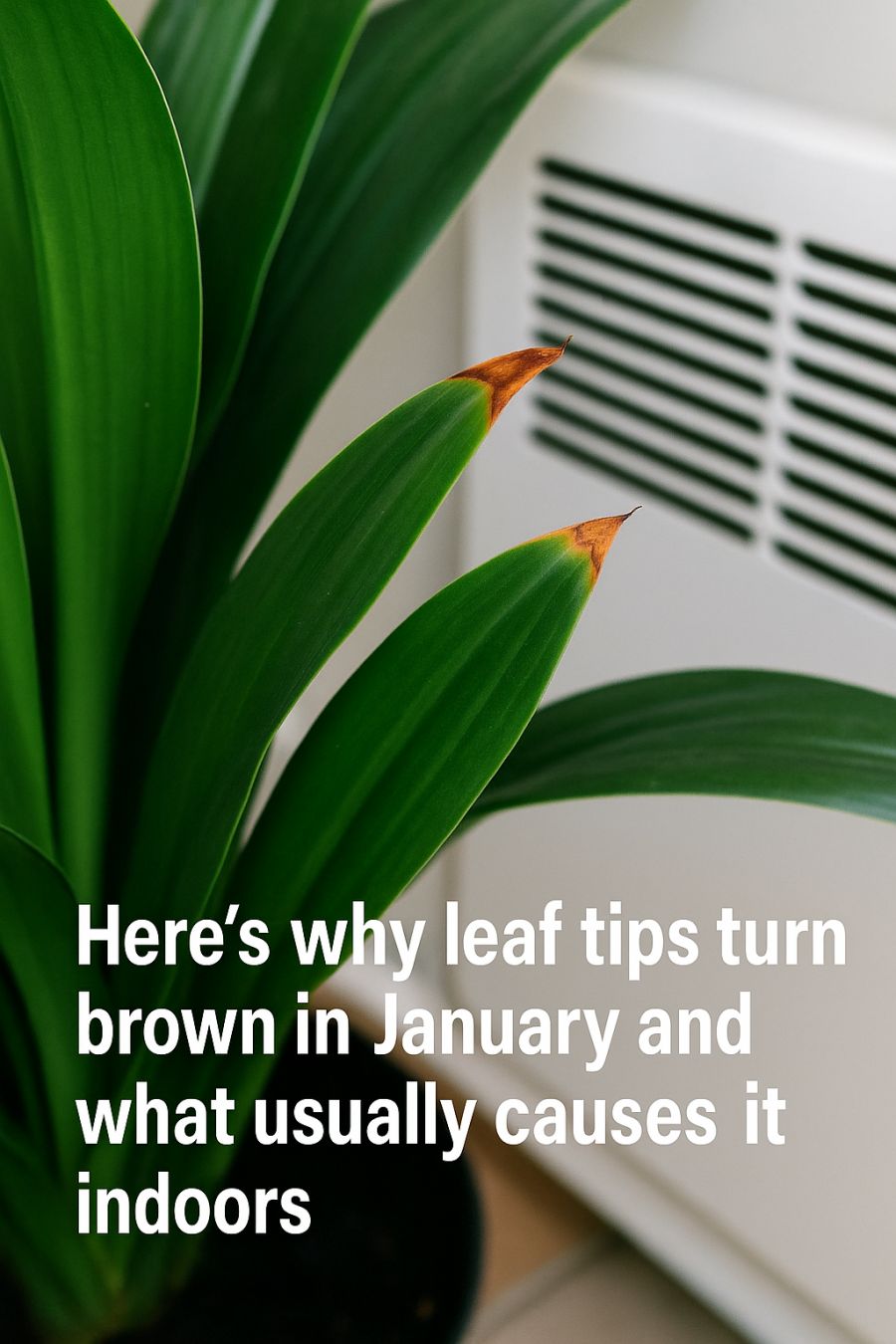
As the New Year dawns and winter reaches its peak, many indoor plant enthusiasts notice a common phenomenon: the tips of their beloved houseplants’ leaves turning brown. This can be alarming for plant parents who strive to provide the best care for their green companions. Understanding the reasons behind this browning can help mitigate the issue and ensure healthier plants come spring.
Leaf browning is often more pronounced in January due to a combination of environmental changes and care practices that inadvertently stress our indoor plants. From changes in humidity and light to watering habits and fertilizer use, several factors contribute to this seasonal issue. By recognizing these factors, plant owners can make informed adjustments to their care routines, ensuring their plants remain vibrant throughout the winter months.
1. Why Brown Leaf Tips Show Up More Often in January
January is a time of significant environmental change indoors. As outdoor temperatures plummet, heating systems work overtime, creating a dry atmosphere that can be harsh on houseplants. This shift in climate is a primary reason why brown leaf tips are more noticeable during this month. Additionally, the reduced daylight hours and lower light intensity can stress plants that are accustomed to brighter summer conditions.
Another factor is the post-holiday return to routine, which often results in less attention being paid to plants. Holiday travel and festivities can lead to irregular watering schedules, which further exacerbate the issue of browning leaf tips. By acknowledging these unique January challenges, plant enthusiasts can better prepare to address them.
2. How Winter Heating Sucks Moisture From Indoor Air
Winter heating systems are notorious for drying out indoor air, drastically reducing the humidity levels that many houseplants require to thrive. Central heating can lower indoor humidity to less than 30%, while most tropical plants prefer levels between 40% and 60%. This disparity leads to increased evaporation from plant leaves, causing the tips to dry out and turn brown.
Using a hygrometer can help monitor indoor humidity levels, allowing plant owners to take corrective actions such as using humidifiers or placing water trays near plants to increase moisture in the air.
3. Low Humidity: The Number-One Culprit Behind Crispy Tips
Low humidity is often the primary cause of crispy, brown leaf tips. Many popular houseplants, such as ferns, palms, and orchids, are native to tropical regions where humidity is naturally high. When indoor air becomes too dry, these plants cannot maintain adequate moisture levels, leading to dehydration and browning at the leaf margins.
Maintaining proper humidity levels is crucial. Simple methods like grouping plants together, misting leaves, or using pebble trays can help increase the humidity around plants. However, for a more consistent solution, investing in a quality humidifier may be necessary, particularly in regions where winter air is exceptionally dry.
4. Underwatering and Irregular Watering Schedules
Underwatering is another common cause of brown leaf tips, often exacerbated by the busyness of the holiday season. When plants do not receive sufficient water, the edges of the leaves are the first to show signs of distress, turning brown and crispy.
Maintaining a consistent watering schedule is critical, but it’s also important to adjust this schedule based on the plant’s needs, which can change with the seasons. Checking soil moisture levels regularly and watering thoroughly when needed can help prevent underwatering issues.
5. Overwatering, Root Stress, and Salt Buildup
While underwatering is a concern, overwatering can be equally damaging, leading to root stress and salt buildup in the soil. Overwatering can suffocate roots, reducing their ability to absorb water and nutrients, and causing leaf tips to brown.
Excessive watering also contributes to salt accumulation, as minerals from tap water and fertilizers build up in the soil. This accumulation can burn plant roots, manifesting as brown tips. It’s important to allow the soil to dry out slightly between waterings and to periodically flush the soil with distilled water to remove excess salts.
6. Tap Water Troubles: Fluoride, Chlorine, and Hard Minerals
The quality of tap water can have a significant impact on plant health. Many municipal water supplies contain fluoride, chlorine, and other hard minerals that can be detrimental to sensitive plants. These substances can accumulate in the soil, leading to chemical burns that appear as brown leaf tips.
Using filtered or distilled water for houseplants can mitigate this issue. Alternatively, letting tap water sit out for 24 hours before use allows some of the chlorine to dissipate, reducing its potential harm to plants.
7. Fertilizer Burn and the Myth of “More Food = Faster Growth”
Many plant owners fall into the trap of over-fertilizing, thinking that more nutrients will encourage faster growth. However, excess fertilizer can lead to a buildup of salts in the soil, which can burn roots and cause leaf tips to brown.
It’s essential to follow recommended fertilization guidelines, typically reducing feeding during the winter months when plants’ growth naturally slows. Flushing the soil with water periodically can help remove excess salts and prevent fertilizer burn.
8. Drafts, Radiators, and Other Hidden Temperature Extremes
Indoor plants are sensitive to temperature fluctuations, which can be more pronounced during the winter months. Drafts from windows and doors, as well as proximity to radiators and heating vents, can create temperature extremes that stress plants.
Placing plants away from these extremes and ensuring a stable temperature environment can help prevent stress-related leaf browning. A consistent temperature between 65°F and 75°F is ideal for most houseplants.
9. Pot Size, Soil Type, and Compacted Mixes That Starve Roots of Air
The wrong pot size and soil type can also contribute to brown leaf tips. Pots that are too small can restrict root growth, while those that are too large can lead to excessive moisture retention. Both scenarios can stress roots and lead to browning.
Using a well-draining soil mix is crucial to ensure roots receive adequate air circulation. Compacted soil can suffocate roots, so periodic repotting or soil aeration may be necessary to maintain a healthy root environment.
10. Light Changes After the Holidays and Winter Window Issues
The reduction in natural light during winter can affect plant health, as many houseplants require bright, indirect light to thrive. The position of the sun changes, and shorter daylight hours can leave plants struggling to photosynthesize effectively.
Moving plants closer to windows or supplementing with grow lights can provide the additional light needed during these darker months. It’s important to rotate plants regularly to ensure even light exposure and prevent leaning or uneven growth.
11. Viral Humidifier and Pebble-Tray Hacks: What Actually Works
Social media is rife with hacks for increasing humidity, such as pebble trays and misting. While these can offer temporary relief, their effectiveness is often limited. Pebble trays increase local humidity only slightly, and misting can lead to fungal issues if overdone.
Investing in a quality humidifier provides a more consistent and reliable solution for maintaining optimal humidity levels. For best results, aim for humidity levels between 40% and 60%, adjusting as necessary based on plant species and environmental conditions.
12. When Brown Tips Are Normal—and When They Signal a Bigger Problem
In some cases, brown tips are a normal part of a plant’s life cycle, especially for older leaves that are nearing the end of their lifespan. However, when browning is widespread or affects new growth, it may indicate a more serious issue.
Monitoring the overall health of your plant, including the condition of new leaves and root health, can help determine whether brown tips are a cause for concern. If necessary, consult with a plant specialist to diagnose and address underlying issues.
13. Simple January Care Tweaks to Prevent Future Leaf Tip Damage
To prevent future leaf tip browning, consider making a few simple adjustments to your plant care routine. Increase humidity levels with a humidifier, adjust watering schedules to match seasonal needs, and ensure pots and soil provide adequate drainage.
Additionally, reposition plants to optimize light exposure and protect them from drafts and temperature extremes. By proactively addressing these factors, plant enthusiasts can maintain vibrant and healthy indoor gardens throughout the winter months.
