8. Choosing The Right Kind Of Soap For Garden UseNot all soaps are created equal when it comes to garden use. It’s important to choose a soap that is free from synthetic additives, fragrances, and antibacterial agents that could harm plants or beneficial insects.Opt for natural or organic soaps made from vegetable oils and fats. Castile soap is a popular choice due to its purity and effectiveness. Avoid soaps with harsh chemicals or detergents, as these can have adverse effects on your garden ecosystem.
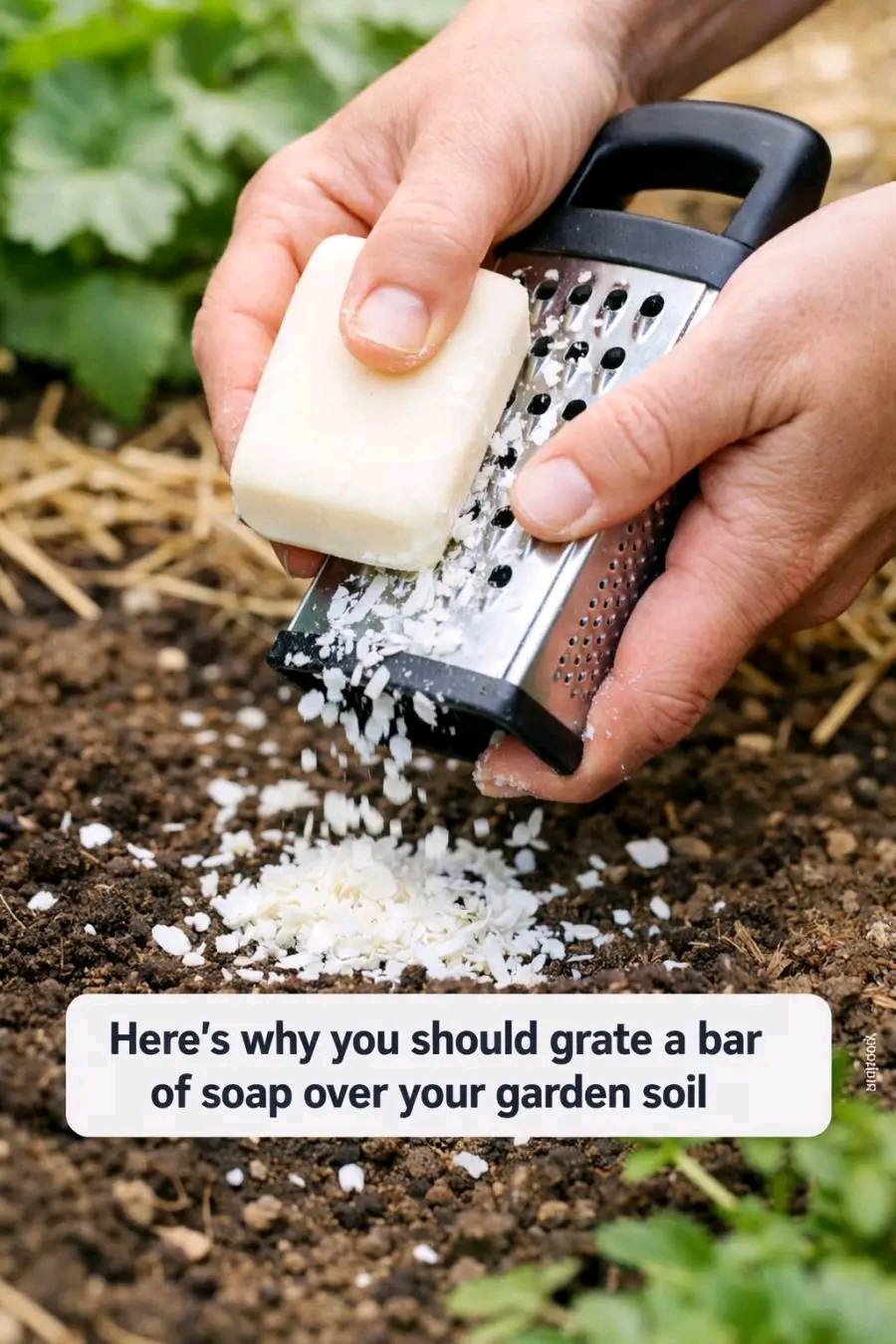
9. How To Properly Grate And Apply Soap To Your BedsTo grate soap effectively, use a cheese grater or a specialized soap grater to create fine shavings. This ensures the soap is easily distributed and quickly dissolves into the soil.Apply the grated soap sparingly around the base of plants or mix with water to create a spray. For perimeter protection, sprinkle the soap around the edges of your garden beds. Regularly monitor the soap levels and reapply as needed, especially after heavy rainfall.
10. Common Mistakes To Avoid When Using Soap OutdoorsOne common mistake is using too much soap, which can lead to residue build-up in the soil. This can potentially alter soil pH more than desired or create an overly slippery surface that impedes beneficial insects.Another mistake is using soaps with synthetic additives, which can harm plant life and disrupt the local ecosystem. Always ensure the soap is natural and free from harmful chemicals. Additionally, avoid applying soap directly to sensitive plant foliage, as this can cause leaf burn.
11. When To Skip The Soap Hack And Try Alternatives InsteadWhile soap can be a great tool in the gardener’s arsenal, there are times when alternative methods may be more effective. In cases of severe infestations, more targeted organic pesticides or physical barriers may be necessary.If you have a sensitive ecosystem or are growing plants for consumption, it’s important to consider any potential residues. In these scenarios, exploring other natural deterrents, such as companion planting or introducing beneficial insects, might be preferable.
