8. When A Sponge Works Best — And When It Doesn’tWhile the sponge method can be highly effective, it’s not suitable for every plant or situation. Plants that require extremely well-draining soil, such as succulents or cacti, may not benefit from the additional moisture retention.Conversely, plants that thrive in more humid environments, like ferns and tropical species, can benefit greatly from the consistent moisture levels provided by a sponge. Understanding your plants’ specific needs will help you determine when this method is most appropriate.
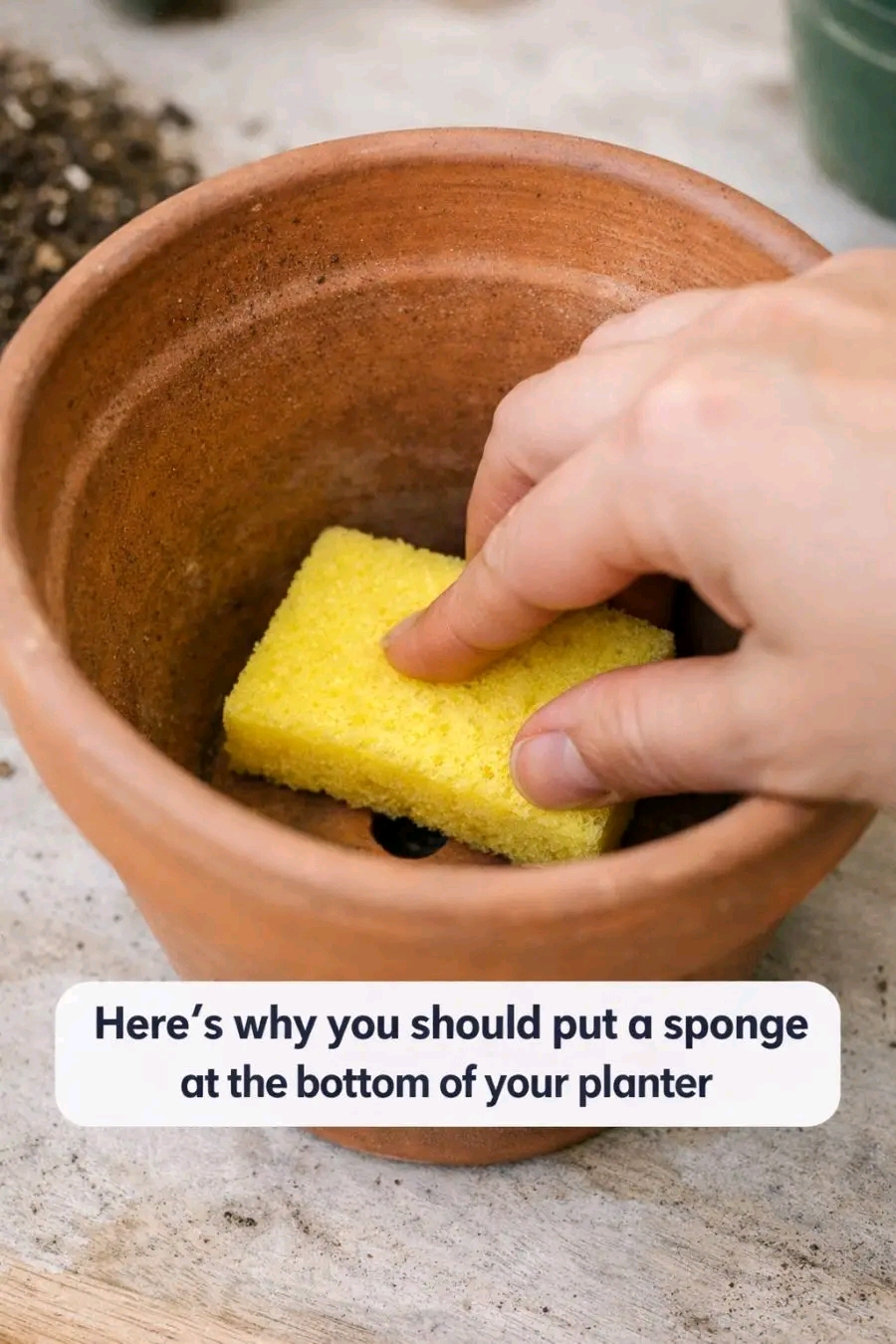
9. Step-By-Step: How To Add A Sponge To Any PlanterTo incorporate a sponge into your planter, start by selecting a clean, unused sponge. If necessary, cut the sponge to fit the bottom of your pot. Place the sponge flat at the base, ensuring it covers the drainage holes.Next, add a layer of gravel or small rocks on top of the sponge to enhance drainage further. Fill the rest of the pot with soil, leaving enough room for your plant. Water thoroughly to allow the sponge to absorb and distribute moisture evenly.
10. Common Mistakes To Avoid With The Sponge MethodOne common mistake is using a sponge that’s too small, which won’t cover the drainage holes effectively. Ensure the sponge fits snugly at the bottom of the pot. Another issue is neglecting to clean the sponge, which can introduce bacteria or residues into the soil.Over-reliance on the sponge for watering needs can also be problematic. It’s important to monitor soil moisture levels regularly and adjust your watering schedule accordingly to prevent overwatering or underwatering.
11. Alternative Materials If You Don’t Have A Sponge HandyIf you don’t have a sponge available, there are several alternative materials you can use to achieve similar results. Old cotton cloths or pieces of felt can act as a moisture-retaining layer at the bottom of your pot.Another option is using coconut coir, which is a natural fiber that offers excellent water retention capabilities. These materials can serve as effective substitutes, providing the same benefits as a sponge in your planter.
