🎨 Recipe for DIY Projects
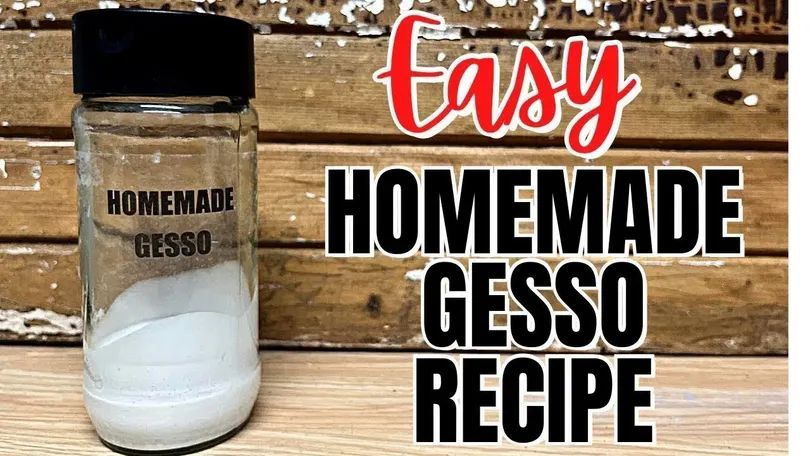
If you enjoy painting, upcycling, or giving old furniture and craft pieces a fresh new look, you may already know how useful gesso can be. It creates a slightly textured, paint-friendly surface and can help acrylic paint adhere more evenly.
The good news? You can make a simple homemade gesso-style primer with a few inexpensive ingredients you may already have at home.
This recipe is especially handy for small DIY projects, crafts, canvas boards, cardboard, wood, and decorative pieces.
🖌️ Homemade Gesso
Ingredients
- 1 cup white acrylic paint
- ½ cup cornstarch
- ½ cup white school glue (PVA glue)
- ¼ cup water, plus more if needed
- Optional: 1 teaspoon fine white flour for a slightly thicker texture
You’ll Also Need
- Mixing bowl
- Whisk or spoon
- Measuring cups
- Clean jar or airtight container
- Paintbrush or foam brush
🥣 How to Make It
Step 1: Combine the Glue and Water
Pour the white school glue into a bowl.
Add the water and stir well until the mixture is smooth and evenly combined.
Step 2: Add the Cornstarch
Slowly add the cornstarch while stirring continuously.
Mix thoroughly to break up any lumps.
The mixture should begin to resemble a smooth, creamy paste.
Step 3: Add the Acrylic Paint
Add the white acrylic paint and mix until everything is completely incorporated.
Keep stirring until you have a smooth, uniform mixture.
Step 4: Adjust the Consistency
Your homemade gesso should be thick enough to coat a surface but fluid enough to spread easily with a brush.
If it’s too thick, add water a teaspoon at a time.
If it’s too thin, add a small amount of cornstarch and mix again.
Step 5: Let It Rest
Allow the mixture to sit for about 5–10 minutes, then give it another good stir before using.
If you notice lumps, whisk them out or strain the mixture before transferring it to a container.
🎨 How to Use Homemade Gesso
Before applying it, make sure your surface is clean, dry and free of loose dust or grease.
Apply a thin, even coat using a brush or foam applicator.
Let it dry completely.
For a smoother finish, lightly sand the surface with fine-grit sandpaper and remove the dust before applying another coat.
Usually, 2–3 thin coats work better than one very thick coat.
Once completely dry, the surface can be painted with acrylics and used for many decorative craft projects.
🪵 What Can You Use It On?
This homemade mixture can be useful for:
- Canvas
- Canvas boards
- Cardboard
- Paper crafts
- Wood
- DIY signs
- Decorative boxes
- Upcycled furniture pieces
- Craft ornaments
- Mixed-media projects
For valuable artwork, professional paintings, or pieces that need long-term archival durability, a commercial artist-grade gesso is the safer choice. Homemade formulas don’t have the same standardized performance or long-term stability.
✨ Tips for Better Results
Apply Thin Coats
Thick applications can crack, peel, or take a long time to dry. Several thin coats generally produce a better surface.
Sand Between Coats
If you want an especially smooth surface, lightly sand between fully dried coats.
Stir Before Every Use
Homemade mixtures can settle while sitting, so give the container a thorough stir before using it.
Don’t Add Too Much Water
Too much water can make the mixture weak and difficult to build up on the surface.
Test First
Before covering an important project, test the mixture on a scrap piece of the same material. Different surfaces can react differently.
🫙 How to Store It
Transfer the mixture to a clean, airtight container and keep it sealed when not in use.
Because this is a homemade water-based mixture without a professional preservative system, don’t assume it will remain shelf-stable for weeks or months. Make small batches, watch for changes in smell, color, texture, or mold, and discard it if anything seems off.
For the best results, make only as much as you expect to use fairly soon.
💰 Why Make Your Own?
One of the biggest advantages is cost.
If you’re working on several craft projects, buying specialty supplies for every little project can add up quickly. A homemade gesso-style mixture lets you experiment with painting and upcycling without using a lot of expensive materials.
It’s also a great way to keep a simple DIY craft supply on hand.
And honestly, there’s something satisfying about looking at an old piece of cardboard, wood, or a forgotten craft item and thinking:
“I can turn that into something beautiful.” 🎨❤️
🎨 Have You Ever Made Homemade Gesso?
If you’ve tried a homemade gesso recipe, what ingredients did you use and what did you make with it?
Share your favorite DIY painting project in the comments! 👇
Note: Homemade gesso recipes vary widely. This recipe is best treated as a craft primer for decorative projects rather than a substitute for archival artist gesso.
