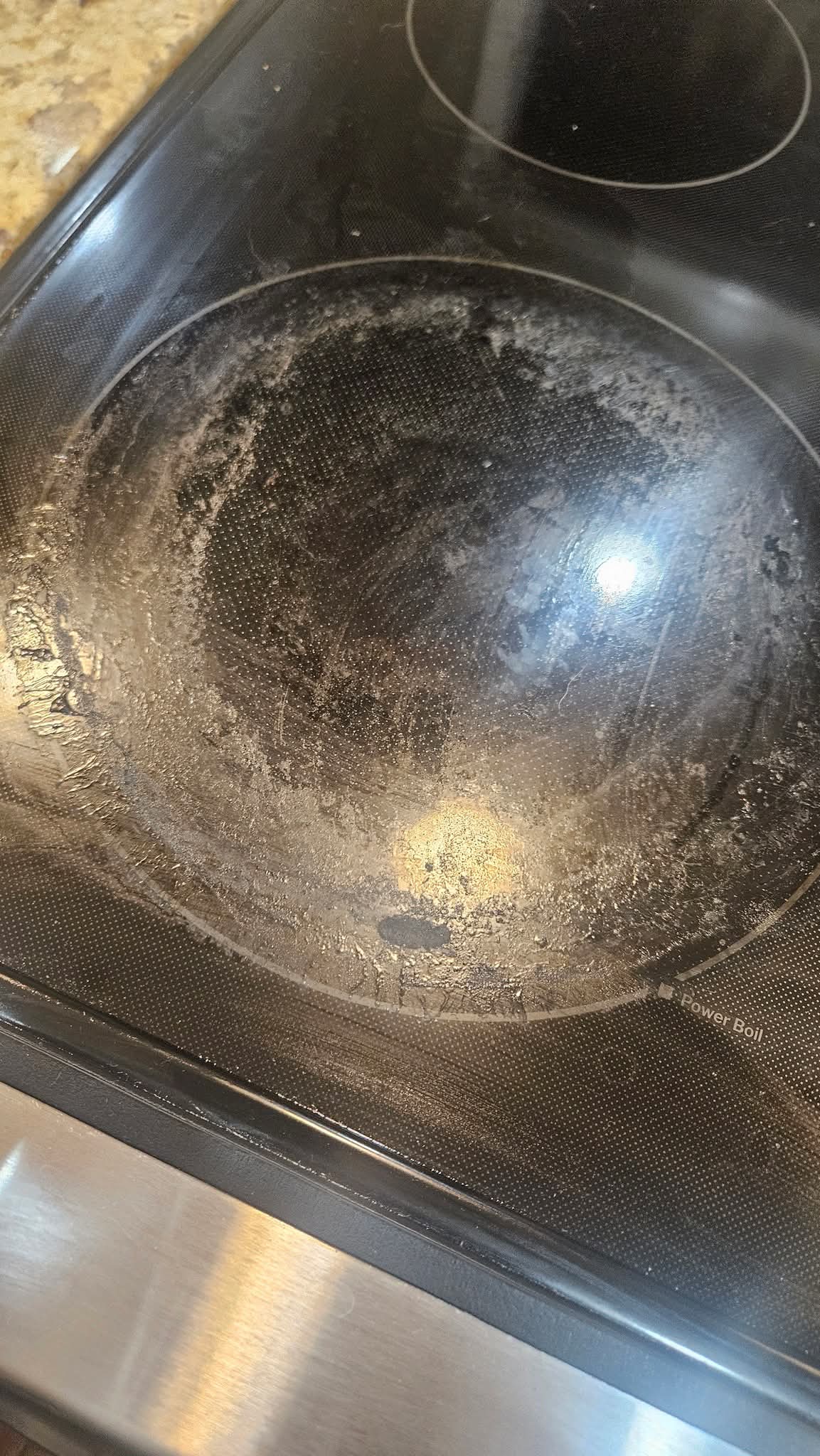
🔥 How Do I Get This Off My Stove? It’s Only on One Burner—and I’ve Only Had the Stove for Two Months!
You finally bought a new stove.
Everything looked spotless, the burners worked perfectly, and cooking felt like a dream.
Then, just a couple of months later, you noticed something strange.
One burner has developed a stubborn mark, stain, or burnt-on residue that just won’t come off.
The other burners still look brand new.
So what happened?
Before reaching for harsh cleaners or abrasive scrubbers, here’s what you should know.
Why Is It Only on One Burner?
It’s actually very common for one burner to show wear before the others.
The burner you use most often naturally experiences more:
- Heat
- Food spills
- Grease splatters
- Boil-overs
- Oil residue
Even tiny spills can bake onto the surface over repeated heating, making them much harder to remove later.
What Could the Stain Be?
Depending on your stove, the mark could be:
- Burnt-on grease
- Cooked-on food residue
- Mineral deposits from boiling water
- Burned sugar from sauces
- Oil that has baked onto the surface
- Discoloration caused by high heat
Sometimes what looks like permanent damage is simply residue that needs the right cleaning method.
Start With the Gentlest Method
Before using strong chemicals, let the burner cool completely.
Then try this simple cleaning routine:
- Wipe away loose crumbs with a soft cloth.
- Mix a few drops of dish soap with warm water.
- Soak a microfiber cloth in the solution.
- Lay it over the stained area for 10–15 minutes.
- Gently wipe the surface clean.
For many fresh stains, this is enough.
For Burnt-On Residue
If the stain remains, make a gentle cleaning paste.
You’ll need:
- Baking soda
- A small amount of water
Mix until it forms a thick paste.
Spread it over the stain and let it sit for 15–30 minutes.
Then gently rub with a soft sponge or non-abrasive scrub pad before wiping clean with a damp cloth.
Avoid using steel wool or anything that could scratch the finish.
If You Have a Glass Cooktop
Glass and ceramic cooktops require extra care.
Never use:
- Steel wool
- Metal scouring pads
- Harsh abrasive powders
- Sharp tools not intended for cooktops
If food is burned onto a glass cooktop, a cooktop cleaner and a scraper designed specifically for glass cooktops may help remove stubborn residue without damaging the surface. Always follow the manufacturer’s instructions.
Could It Be Permanent?
Sometimes.
Certain sugary spills, melted plastic, or damage caused by overheating can permanently discolor some stove surfaces.
In other cases, what appears to be damage is simply a layer of burnt residue that can be removed with patience and the right cleaner.
Tips to Keep Your Stove Looking New
A few simple habits can make a big difference:
- Wipe spills as soon as the stove has cooled.
- Clean the cooktop regularly instead of waiting for buildup.
- Avoid dragging heavy cookware across glass surfaces.
- Use cookware with clean, dry bottoms.
- Follow the cleaning recommendations in your stove’s user manual.
Regular maintenance helps prevent stains from becoming much harder to remove.
Before Using Strong Chemicals…
If your stove is only two months old and you’re unsure about the finish or warranty, check the manufacturer’s care instructions before trying any powerful cleaning products. Some cleaners can damage certain surfaces or affect warranty coverage if they’re not recommended.
🔥 Have You Ever Had This Happen?
A stubborn stain on just one burner can be frustrating—especially on a nearly new stove.
What worked for you?
✨ Baking soda?
✨ A specialty cooktop cleaner?
✨ Something else?
Share your best cleaning tips in the comments—you might help someone save their new stove!
