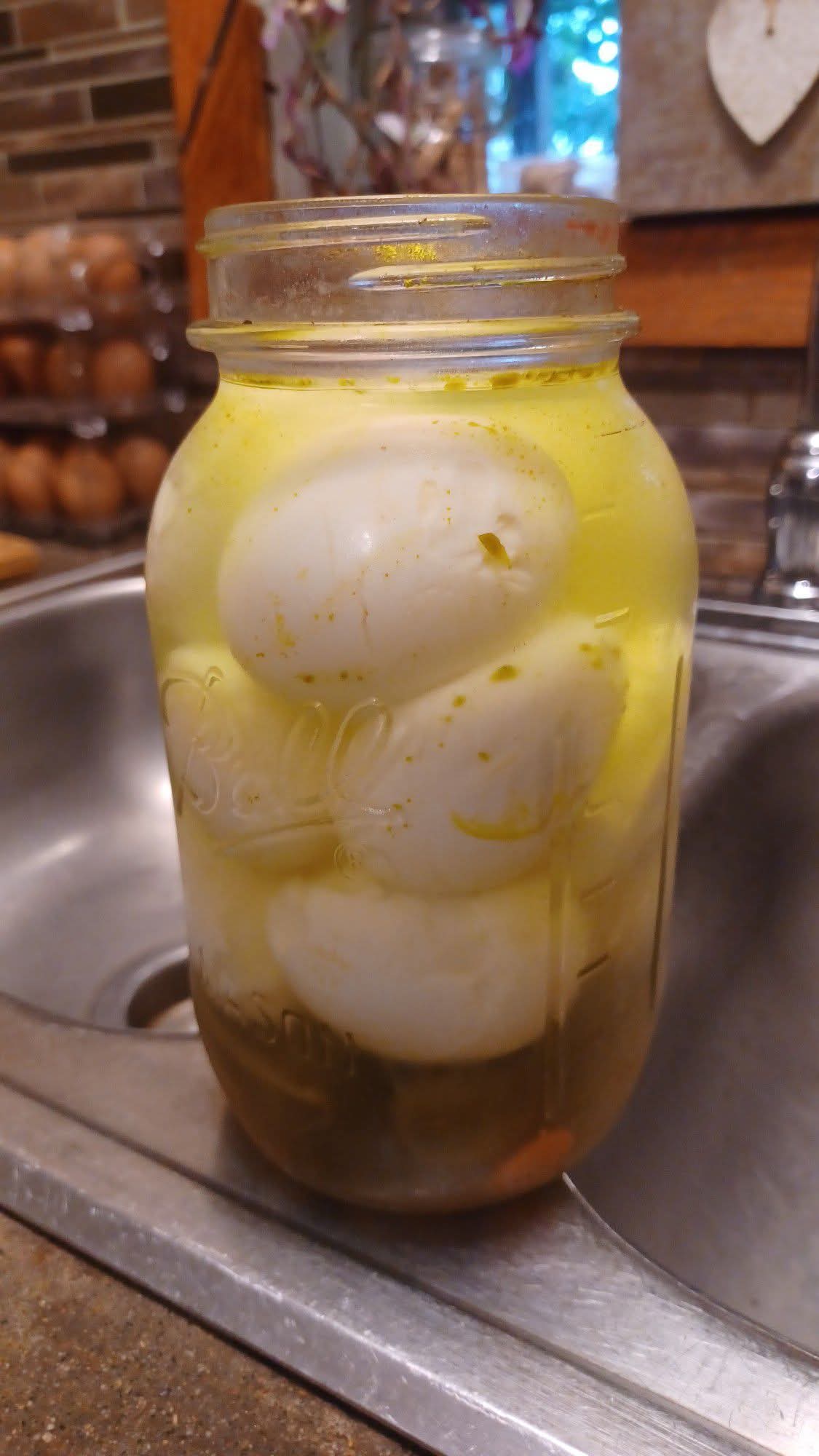
🥚 How Do You Boil and Peel Eggs Perfectly?
Boiled eggs are one of the simplest foods you can make, yet many people struggle with the same frustrating problem:
The shell sticks.
Chunks of egg come off.
The surface ends up looking rough and damaged.
The good news is that perfectly cooked, easy-to-peel eggs are possible with a few simple techniques. Whether you prefer soft-boiled, medium-boiled, or hard-boiled eggs, learning how to boil and peel them properly can make all the difference.
🥚 Why Are Some Eggs Hard to Peel?
Many people assume they’re doing something wrong, but the age of the egg actually plays a role.
Very fresh eggs often cling more tightly to their shells because the membrane beneath the shell sticks closely to the egg white.
Slightly older eggs usually peel more easily.
However, proper cooking and cooling methods are just as important.
🍳 Step 1: Place Eggs in a Pot
Arrange the eggs in a single layer at the bottom of a saucepan.
Avoid overcrowding.
Cover the eggs with cold water until they’re submerged by about 1 inch (2–3 cm).
🔥 Step 2: Bring Water to a Boil
Place the pot over medium-high heat.
Bring the water to a gentle rolling boil.
Once boiling begins, you can adjust the cooking time depending on how you like your eggs.
⏰ Cooking Times
Soft-Boiled Eggs
- 6–7 minutes
The yolk remains runny and creamy.
Medium-Boiled Eggs
- 8–9 minutes
The yolk is mostly set but still slightly soft in the center.
Hard-Boiled Eggs
- 10–12 minutes
The yolk becomes fully firm and sliceable.
Many people find 10–11 minutes produces the perfect hard-boiled egg.
❄️ Step 3: Prepare an Ice Bath
While the eggs cook, fill a bowl with:
🧊 Ice
💧 Cold water
This step is crucial.
As soon as the eggs finish cooking, transfer them directly into the ice bath.
🥶 Why the Ice Bath Matters
The cold water rapidly cools the eggs and helps separate the membrane from the shell.
Benefits include:
✅ Easier peeling
✅ Reduced overcooking
✅ Better texture
✅ Less discoloration around the yolk
Allow the eggs to cool for at least 5–10 minutes.
🥚 Step 4: Crack the Shell
Gently tap the egg against a hard surface.
Roll it lightly with your hand to create small cracks across the shell.
This helps loosen the shell and membrane.
🧼 Step 5: Peel Under Running Water
Many people swear by peeling eggs under cool running water.
The water slips beneath the shell and helps separate it from the egg.
Start peeling from the wider end of the egg, where there is often a small air pocket.
This can make removal easier.
🌟 Tips for Easy-to-Peel Eggs
Use Slightly Older Eggs
Eggs that are a week or two old often peel more easily than extremely fresh eggs.
Don’t Skip the Ice Bath
This is one of the most important steps.
Peel Soon After Cooling
Many eggs peel more easily when cooled but not left sitting for days.
Use Gentle Pressure
Crushing the shell too aggressively can damage the egg underneath.
🍽 Delicious Ways to Enjoy Boiled Eggs
Boiled eggs are incredibly versatile.
Enjoy them:
🥗 In salads
🥪 On sandwiches
🍜 In noodle bowls
🥔 With potatoes
🥑 On avocado toast
🧂 With a sprinkle of salt and pepper
They’re simple, filling, and packed with flavor.
Common Mistakes
Avoid these common errors:
❌ Overcooking the eggs
❌ Skipping the ice bath
❌ Using water that’s too low
❌ Peeling while the egg is still very hot
These small mistakes can make peeling much more difficult.
The Bottom Line
Perfect boiled eggs don’t require special equipment or complicated techniques.
A good boil, proper timing, and a quick ice bath can help you achieve eggs that peel cleanly and look beautiful every time.
Once you master the process, you’ll wonder why peeling eggs ever seemed difficult in the first place.
🥚👇 What’s your favorite style: soft-boiled, medium-boiled, or hard-boiled?
