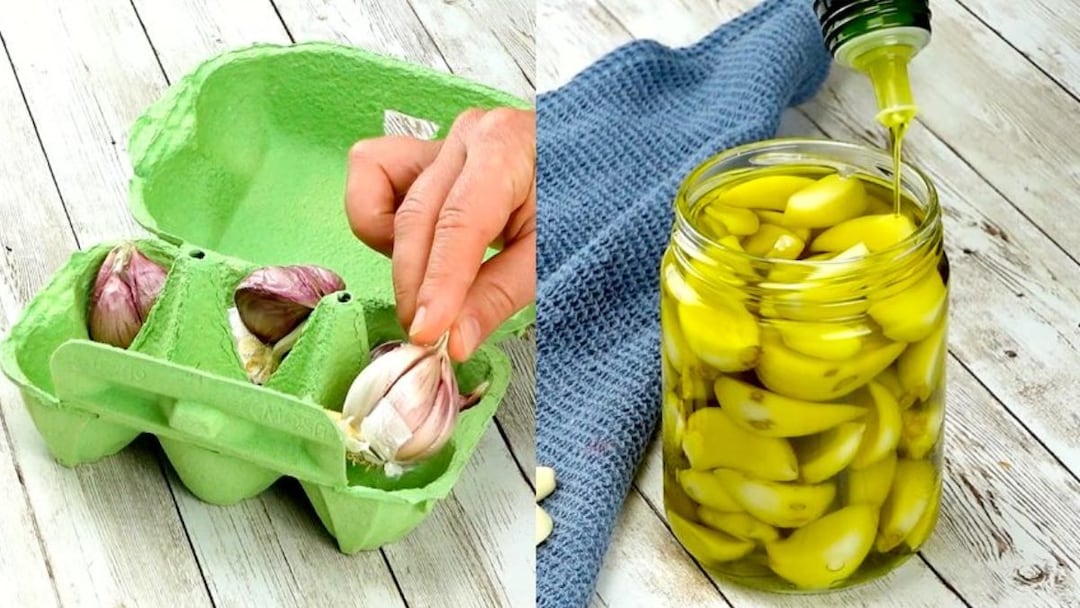
How to Properly Store Garlic: 3 Methods and Tricks to Keep It Fresh Longer 🧄
Garlic is one of the most versatile ingredients in the kitchen, adding rich flavor to everything from soups and sauces to roasted vegetables and marinades. But if it’s stored incorrectly, garlic can sprout, dry out, or develop mold much sooner than expected.
The good news is that with a few simple storage techniques, you can help keep your garlic fresh and flavorful for much longer.
Why Proper Storage Matters
Whole garlic bulbs can last for weeks—or even months—when stored under the right conditions. The key is to provide good air circulation and avoid excess moisture, heat, and direct sunlight.
Improper storage can lead to:
- Early sprouting
- Soft or shriveled cloves
- Mold growth
- Loss of flavor
- Faster spoilage
Method 1: Store Whole Garlic at Room Temperature
This is the best method for keeping whole garlic bulbs fresh.
How to Do It
- Leave the bulb intact until you’re ready to use it.
- Store it in a cool, dry, and dark place.
- Use a mesh bag, paper bag with holes, woven basket, or garlic keeper that allows airflow.
- Keep garlic away from direct sunlight and sources of heat.
Best Storage Temperature
Ideally, store garlic at around 60–65°F (15–18°C) in a well-ventilated area.
How Long It Lasts
Whole bulbs can often stay fresh for 1 to 3 months, depending on their freshness when purchased and the storage conditions.
Method 2: Refrigerate Peeled Garlic
Once garlic cloves have been peeled, they won’t last as long at room temperature.
How to Store
- Place peeled cloves in an airtight container.
- Refrigerate immediately.
- Use within about 1 week for the best quality.
If the cloves become soft, discolored, or develop an unpleasant odor, discard them.
Method 3: Freeze Garlic for Long-Term Storage
Freezing is an excellent option if you have more garlic than you can use before it spoils.
You Can Freeze:
- Whole cloves (peeled or unpeeled)
- Minced garlic
- Garlic paste
Store the garlic in freezer-safe bags or airtight containers, removing as much air as possible before sealing.
Frozen garlic is best used in cooked dishes, as its texture may soften after thawing.
Helpful Tricks to Keep Garlic Fresh
Keep the Bulb Whole
Separate cloves only when you’re ready to use them. An intact bulb generally lasts longer than individual cloves.
Provide Good Airflow
Garlic needs ventilation. Avoid sealed plastic bags at room temperature, which can trap moisture.
Keep It Dry
Moisture encourages mold and spoilage. Store garlic in a dry location.
Check It Regularly
Remove any cloves that become soft, moldy, or sprouted to help prevent problems from spreading.
Can You Eat Sprouted Garlic?
Yes. Garlic that has started to sprout is generally still safe to eat if it’s firm and free of mold.
The green sprout may have a slightly bitter taste, so many people remove it before cooking.
Signs Garlic Has Gone Bad
Throw garlic away if you notice:
- Mold
- A sour or unpleasant smell
- Soft, mushy cloves
- Dark brown or black spots
- Excessive shriveling combined with spoilage
What About Garlic Stored in Oil?
Raw garlic stored in oil should always be kept refrigerated and used within a few days unless it has been prepared using a tested preservation method. Storing raw garlic in oil at room temperature can create conditions where harmful bacteria, including those that cause botulism, may grow.
Frequently Asked Questions
Should Garlic Be Refrigerated?
Whole garlic bulbs are usually best stored at room temperature in a cool, dry place. Refrigeration can encourage sprouting once the garlic is returned to room temperature.
Can Garlic Be Stored in the Pantry?
Yes! A well-ventilated pantry or cupboard away from heat and sunlight is one of the best places for whole garlic bulbs.
Is It Okay to Store Garlic Near Onions?
It’s generally better to store garlic and onions separately. Although they prefer similar conditions, keeping them apart can help reduce the chance of excess moisture and odors affecting each other.
Final Thoughts
Properly stored garlic can stay fresh and flavorful for weeks or even months. Whether you keep whole bulbs in a cool pantry, refrigerate peeled cloves, or freeze extra garlic for future recipes, choosing the right storage method helps reduce waste and ensures you always have this kitchen essential on hand.
With just a few simple habits, you can enjoy fresh, aromatic garlic whenever inspiration strikes in the kitchen. 🧄✨
