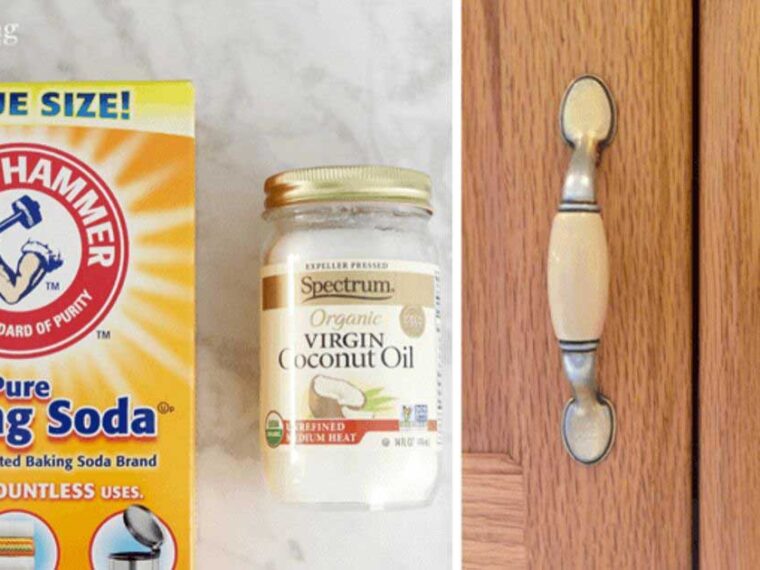
Kitchen cabinets are one of the most used — and most overlooked — surfaces in the home. Over time, grease, dust, and cooking residues build up, leaving them sticky, dull, and discolored. Whether your cabinets are made of wood, laminate, or painted surfaces, a proper deep clean can restore their natural beauty and shine.
Here’s a step-by-step guide, backed by cleaning experts, on how to thoroughly clean dull and grimy kitchen cabinets without damaging the finish.
 1. Prepare Your Cleaning Supplies
You don’t need expensive chemicals — most effective cleaning products are already in your kitchen. Here’s what you’ll need:
What you’ll need:
- 2 cups of warm water
- 1 cup of white vinegar (natural degreaser)
- 1 tablespoon of baking soda
- A few drops of dish soap (cuts grease effectively)
- Microfiber cloths or soft sponges
- An old toothbrush (for corners and edges)
- A dry towel
- Olive oil or mineral oil (optional, for shine)
Why this works:
According to the American Cleaning Institute, vinegar and baking soda form a natural degreasing and deodorizing solution that safely removes grime without damaging wood or paint.
2. Start by Removing Surface Dust and Debris
Before using any liquid cleaner, remove dust and crumbs:
- Wipe each cabinet surface with a dry microfiber cloth.
- Pay special attention to handles, corners, and trims, where dirt tends to collect.
This prevents dust from turning into sticky residue when you apply cleaning solutions later.
 3. Make a Natural Degreasing Solution
Mix in a spray bottle:
TO CONTINUE READING THE ARTICLE PLEASE SEE PAGE 2
Mix in a spray bottle:
- 2 cups of warm water
- 1 cup of white vinegar
- A few drops of dish soap
Spray the mixture onto the cabinet surfaces (avoid soaking them, especially if they’re wooden). Let it sit for 2–3 minutes to loosen the grease.
Then, gently scrub with a sponge or cloth in circular motions. For stubborn spots, use a paste of baking soda + a few drops of water — this lifts sticky buildup without scratching.
4. Focus on Handles, Knobs, and Edges
These areas collect the most grime because they’re touched constantly. Dip an old toothbrush into your cleaning mix and scrub around:
- Handles and hinges
- Door edges and corners
- Trim and molding
Rinse with a damp cloth afterward to remove any residue.
5. Rinse and Wipe Thoroughly
After scrubbing, go over the entire surface with a clean, damp cloth to remove any cleaning solution or leftover dirt.
Then dry immediately with a soft towel — moisture can damage wood finishes or cause swelling in laminate cabinets.
 6. Polish for Shine (Optional But Recommended)
To restore that fresh, just-installed look, use this natural polish:
- Mix 1 tablespoon of olive oil with 1 tablespoon of white vinegar.
- Apply it with a soft cloth, rubbing gently in the direction of the grain.
This nourishes the wood and adds a subtle, natural shine — without leaving a greasy residue.
7. For Painted or Glossy Cabinets
If your cabinets are painted or have a glossy laminate surface:
- Avoid baking soda (it can dull the finish).
- Use only the vinegar-water-dish soap mixture.
- Dry thoroughly to prevent streaks or peeling.
 How Often Should You Clean Cabinets?
According to the Good Housekeeping Institute, you should:
- Wipe cabinets weekly with a damp cloth to prevent grease buildup.
- Deep-clean them every 3–4 months for a full refresh.
Routine maintenance will keep them cleaner longer and prevent discoloration or sticky buildup.
Bonus: Prevent Future Grime
- Use your stove’s exhaust fan when cooking to reduce grease on surfaces.
- Keep handles clean with quick daily wipes.
- Place shelf liners inside cabinets to catch crumbs and spills.
 In Summary
A few simple, natural ingredients can bring your dull kitchen cabinets back to life.
Regular care not only keeps your kitchen looking spotless but also extends the lifespan of your cabinetry — saving you from costly replacements.
With just vinegar, baking soda, and a little effort, your kitchen will look (and smell) fresh again!
Bonus: Prevent Future Grime
- Use your stove’s exhaust fan when cooking to reduce grease on surfaces.
- Keep handles clean with quick daily wipes.
- Place shelf liners inside cabinets to catch crumbs and spills.
In Summary
A few simple, natural ingredients can bring your dull kitchen cabinets back to life.
Regular care not only keeps your kitchen looking spotless but also extends the lifespan of your cabinetry — saving you from costly replacements.
With just vinegar, baking soda, and a little effort, your kitchen will look (and smell) fresh again!
